 English
 русский
Reinforced Stitching at Stress Points
A key factor in ensuring the longevity of Plush Animal Slippers For Kids is reinforced stitching, particularly at stress points such as the toe box, heel, and the junction between the upper plush fabric and the sole. High-quality slippers utilize double-stitched seams or overlocked stitching, where multiple threads pass through each layer of fabric to distribute mechanical stress evenly. This prevents seam separation or fraying when children repeatedly put on and remove the slippers, run indoors, or engage in active play. Reinforced stitching also maintains the structural integrity of the slippers during bending or stretching of the footbed, which is critical given the natural movement of children’s feet. By focusing reinforcement on high-stress areas, these slippers can endure extended daily use while preserving their shape and functionality.
High-Strength Thread Selection
The durability of stitching is directly influenced by the type and quality of thread used. Premium Plush Animal Slippers For Kids employ high-tensile polyester or nylon thread, which offers superior resistance to breakage, abrasion, and humidity-related weakening compared to standard cotton threads. Polyester and nylon threads maintain their tensile strength even under repeated tension, ensuring that seams do not rip or unravel during rigorous use. The combination of strong threads and careful stitching techniques contributes to the overall reliability of the slippers, particularly in a household environment where children may tug, drag, or twist the slippers during play. High-quality thread also supports attachment of decorative elements like ears, tails, or eyes without risking detachment over time.
Optimal Stitch Density and Seam Distribution
Stitch density — measured as the number of stitches per inch — is a crucial aspect of craftsmanship in Plush Animal Slippers For Kids. A higher stitch density distributes stress more evenly across seams, reducing the likelihood of concentrated strain that can lead to tearing or deformation. Carefully engineered stitch patterns also prevent puckering or uneven tension in the plush upper, which can compromise both comfort and aesthetics. Manufacturers of high-end slippers conduct meticulous seam engineering, balancing stitch density with fabric flexibility to maintain comfort while maximizing durability. The result is a product that retains its structural integrity and visual appeal even after repeated stretching, washing, and indoor play.
Secure Attachment of Decorative Elements
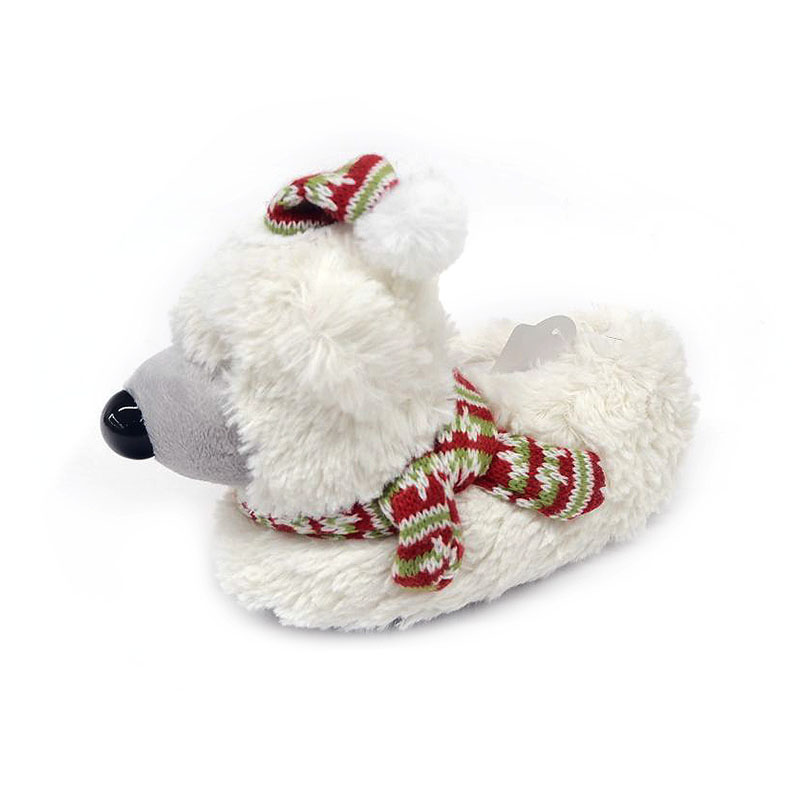
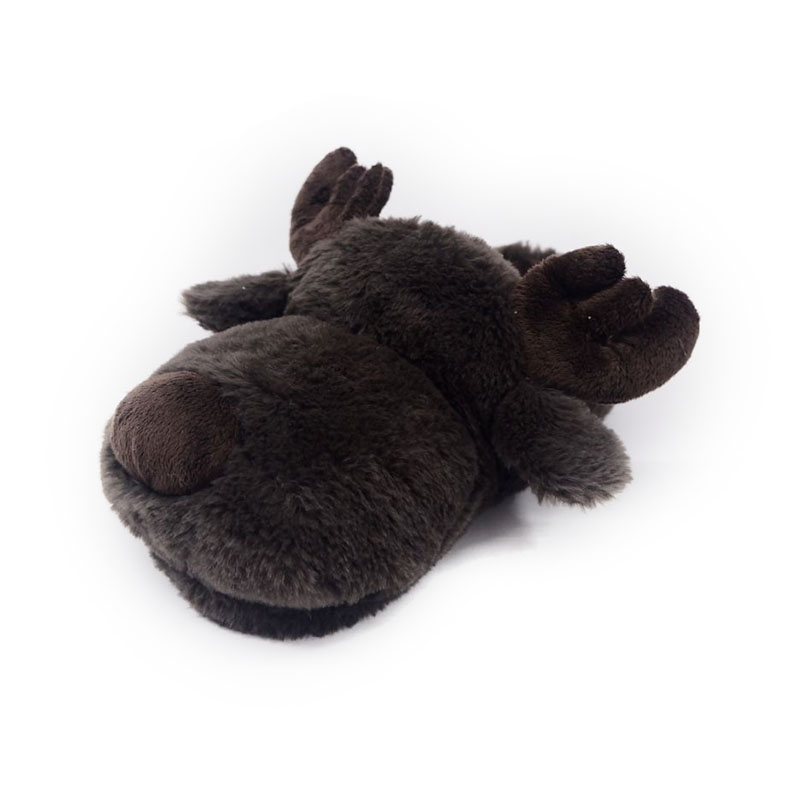
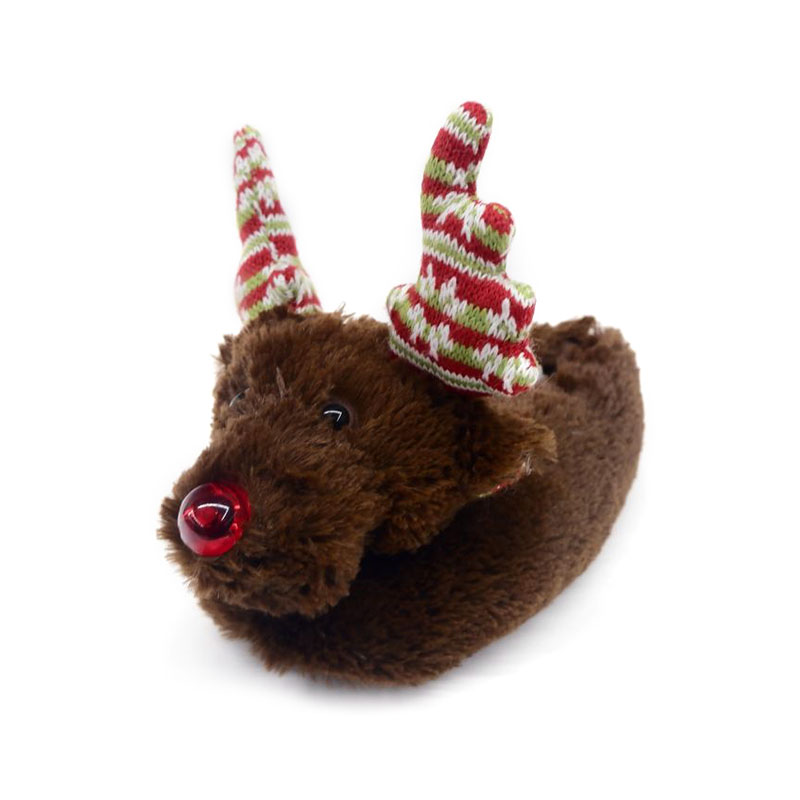
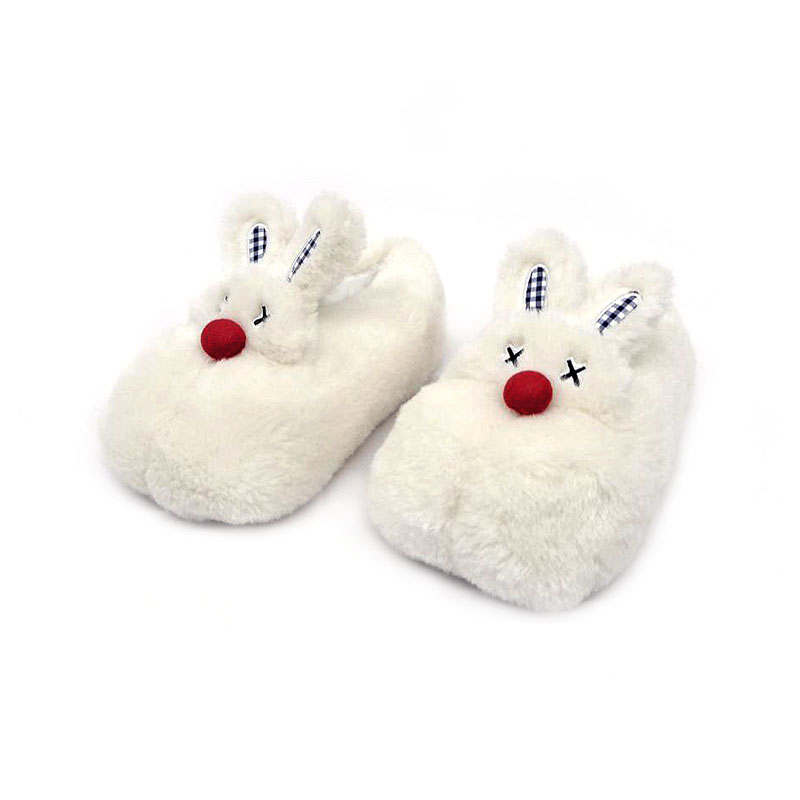
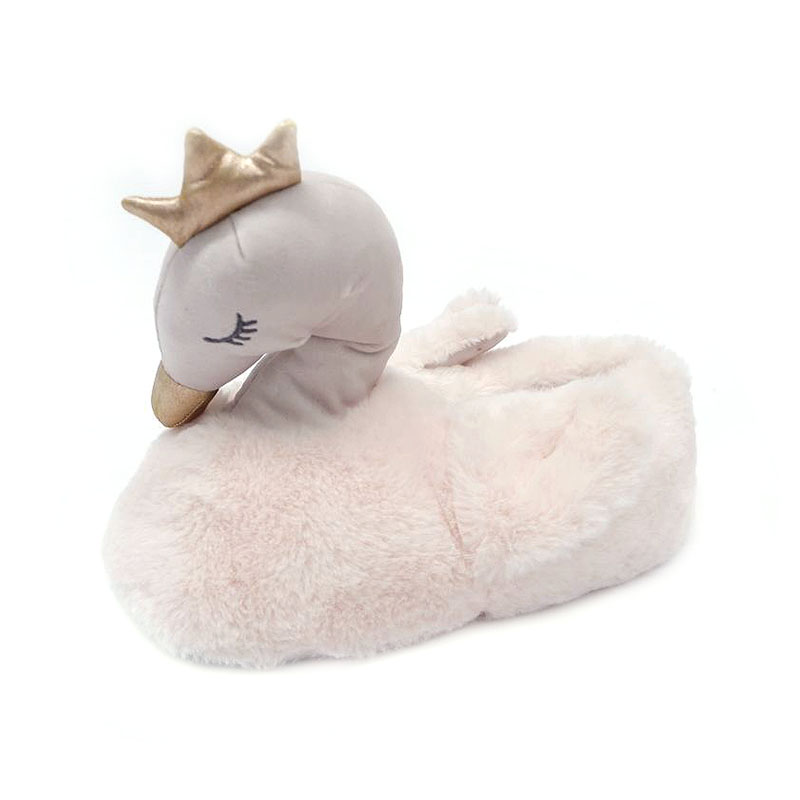
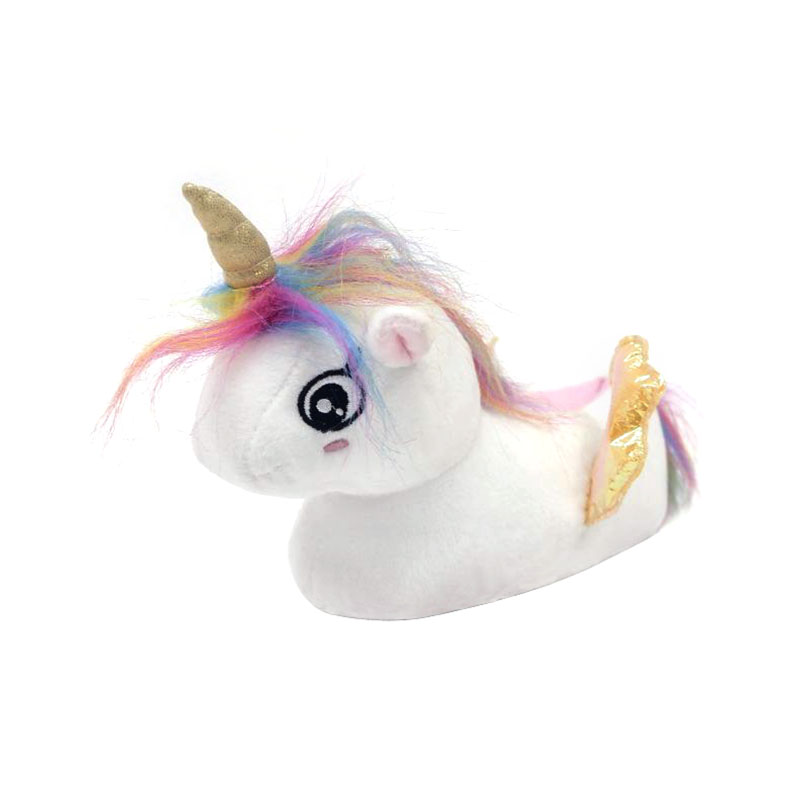
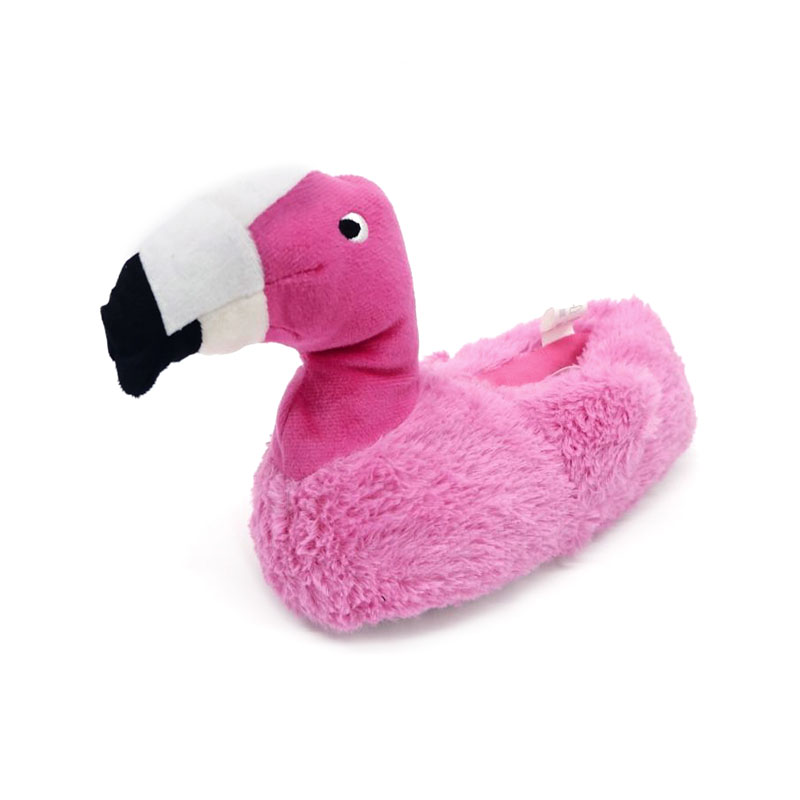
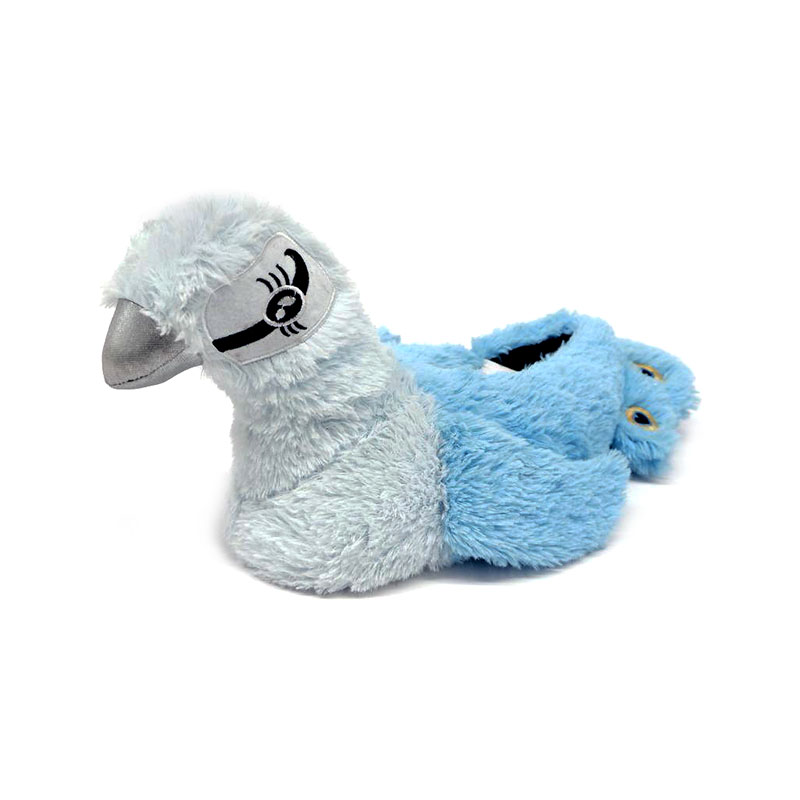
Plush Animal Slippers For Kids often include 3D animal features, such as ears, tails, noses, or eyes, which are prone to detachment if not carefully secured. Quality craftsmanship addresses this through reinforced stitching combined with secure adhesive bonding, ensuring that decorative components remain firmly attached. Critical attachment points, such as base seams of ears or tails, are often reinforced with extra stitching passes and sometimes backed with internal support fabrics. This level of attention prevents choking hazards from loose pieces and extends the functional life of the slippers, maintaining both safety and aesthetic quality throughout their use.
Bonding Between Upper and Sole
In addition to stitching, the bond between the plush upper and the sole is essential for durability. In high-quality Plush Animal Slippers For Kids, manufacturers combine stitching with adhesive bonding, creating a dual-layer attachment that resists separation under repeated bending, compression, and lateral stress. This approach is particularly important in slippers with flexible rubber or foam soles, where repeated foot flexing can otherwise cause delamination. Adhesive bonding complements the mechanical reinforcement provided by stitching, ensuring that the slippers maintain consistent coverage, cushioning, and shape throughout extended use.
Material Selection for Durability
The overall longevity of Plush Animal Slippers also depends on the materials used in both the upper and sole. The plush fabric should have a tight, dense pile with a resilient backing, resisting pilling, tearing, or deformation during indoor play. The sole material — typically EVA foam or soft rubber — should offer flexibility while resisting compression set and abrasion. Combined with reinforced stitching, these materials create a product capable of withstanding the high mechanical demands of children’s movements without compromising comfort or safety. Thoughtful material selection ensures the slippers remain soft, supportive, and visually appealing even after repeated use and cleaning.