 English
 русский
Comfort & Support · Product Comparison
A closer look at how two familiar materials handle the same job differently — supporting the arch of the foot through hours of everyday indoor life.
The Direct Answer
Memory foam slippers generally provide stronger and more consistent arch support than standard cotton slippers, simply because the foam is engineered to compress and contour under the foot's specific pressure points. Cotton slippers, particularly lightweight styles, tend to offer minimal structural support and instead rely on a soft, flexible sole that flattens quickly under body weight.
That does not mean cotton slippers are the wrong choice — for people without existing foot conditions who prioritize breathability, softness, and a relaxed fit, cotton remains a comfortable everyday option, especially when paired with a contoured insole insert. For those who need targeted arch correction or all-day cushioning, memory foam is the more reliable path.
Cotton slippers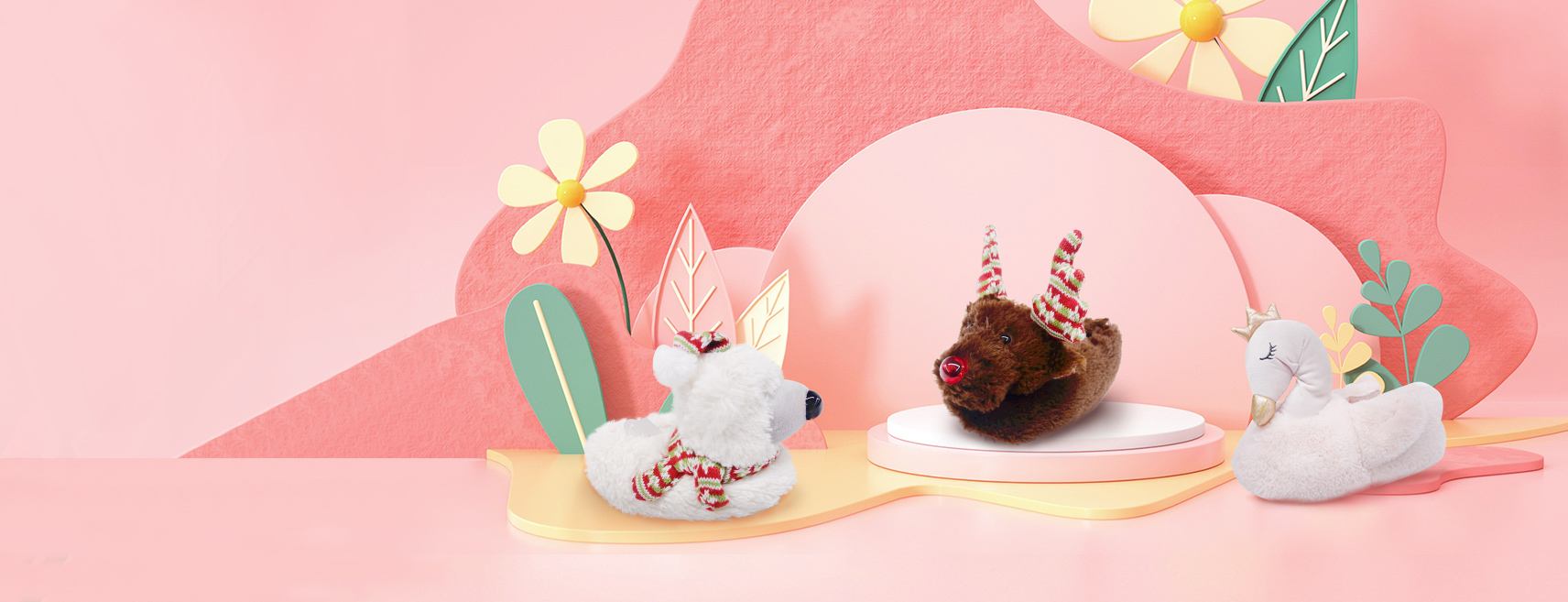
This distinction applies equally to mens cotton slippers and cotton slippers womens, since foot shape, arch height, and body weight vary by individual far more than by gender.
How Arch Support Actually Works
Arch support refers to how well a sole maintains the natural curve of the foot, distributing weight evenly across heel, midfoot, and forefoot. Without it, pressure concentrates on the heel and ball of the foot — over time contributing to fatigue or plantar discomfort during long periods indoors.
What Determines Support Quality
- Material density and how it responds to repeated pressure
- Whether the sole includes a molded or contoured footbed
- The thickness of the midsole layer beneath the arch
- How quickly the material rebounds versus permanently compresses
Support is not about softness — it's about how a material remembers the shape of your foot, step after step.
Cotton Slippers: Where They Shine
Traditional cotton slippers are built primarily for softness, warmth, and breathability rather than structural correction. The sole is often a thin layer of cotton wadding, sometimes backed by a light foam base, making it comfortable but rarely dense enough to hold an arch shape under repeated pressure.
In practice, cotton slippers womens styles with a quilted upper and flat sole tend to flatten within a few weeks of daily wear. Many mens cotton slippers, designed with roomier open-toe fits, favor ventilation over firm structure — a reasonable trade-off for short indoor wear rather than extended standing.
Cotton slippers are typically 30–40% lighter than memory foam equivalents, making them easier to slip on and off throughout the day.
Memory Foam Slippers: Where They Excel
Memory foam slippers use a viscoelastic layer that softens with body heat and molds to each foot's contours, creating a personalized support surface that cradles the arch. Testing commonly cited by orthopedic footwear reviewers suggests memory foam insoles can reduce peak plantar pressure by 15 to 25 percent compared to flat, unstructured soles.
The trade-off is heat retention and weight — memory foam feels warmer in summer and is generally less breathable than cotton, though some designs offset this with a cotton-blend liner over the foam layer.
Memory foam performs best in cooler environments. In warm climates, prolonged wear may feel less breathable than a cotton alternative.
Support Over Time
High-density memory foam is slower to permanently compress than basic cotton padding. Cotton padding can lose meaningful loft within four to eight weeks of daily use, while quality memory foam insoles often maintain functional support for six months to a year, depending on frequency of wear and body weight.
| Feature | Cotton Slippers | Memory Foam Slippers |
|---|---|---|
| Arch contouring | Minimal | High |
| Breathability | Excellent | Moderate |
| Support longevity | 4–8 weeks | 6–12 months |
| Weight | Light | Moderate to heavy |
| Best for | Short wear, warm climates | Extended standing, foot pain relief |
Matching the Material to the Foot
Choosing between these two materials depends less on gender and more on individual foot condition, body weight, and how the slippers will be used throughout the day.
Good Candidates for Cotton Slippers
- People without diagnosed arch, heel, or plantar conditions
- Those who wear slippers briefly, such as morning or before bed
- Anyone prioritizing washability and breathability over firm structure
Good Candidates for Memory Foam Slippers
- People with flat feet, high arches, or plantar fasciitis symptoms
- Those who stand or walk indoors for several hours at a time
- Anyone recovering from foot strain who needs cushioned, supportive rest
Both mens cotton slippers and cotton slippers womens lines now offer hybrid versions — a thin memory foam insert beneath a cotton upper — bridging softness and support.
Before You Buy
When shopping specifically for arch support, look for terms like "contoured footbed," "orthotic-friendly," or "molded arch" in the product description — these indicate real structural design rather than decorative cushioning alone.
Fit matters just as much as material. A slipper that is too loose won't hold the foot in position over the support area, reducing effectiveness even with premium materials inside.
Don't assume "soft cotton lining" implies structural support. If the sole construction isn't described, the arch support is likely minimal regardless of surface comfort.
In Summary
The right choice comes down to matching material to lifestyle. If daily comfort, breathability, and easy care matter most, cotton slippers remain a practical everyday option. If genuine arch support is the priority — whether for comfort, recovery, or long hours on your feet — memory foam is the stronger, more consistent choice.