 English
 русский
Quality of Materials
The performance of Plush Animal Slippers For Kids over time is highly influenced by the quality of materials used in their construction. High-end slippers typically use microfleece, microfiber, or premium synthetic plush fibers that are engineered to maintain a soft texture even after extensive use. These materials are designed to retain their loft (fluffiness) and elasticity better than lower-quality fibers. Premium fibers are also typically more resistant to wear, fading, and fiber collapse, ensuring they continue to feel soft and plush even after repeated use.
On the other hand, cheaper materials may compress and flatten faster, causing the slippers to lose their plush appeal more quickly. The longevity of plushness and softness is also dependent on the fiber density—thicker fibers are more durable and maintain their integrity longer, while thinner fibers may break down or mat under pressure, especially in high-contact areas like the toes or heel.
Cushioning and Inner Support
Aside from the external plushness, the cushioning and inner support of the slippers significantly impact their overall comfort and softness over time. Many high-quality Plush Animal Slippers For Kids incorporate memory foam or high-density EVA (Ethylene Vinyl Acetate) padding, which helps distribute pressure evenly, providing better support for growing feet. These materials also help maintain their shape and softness longer compared to softer, low-density foams that tend to compress quickly.
As children wear slippers during active play or walking around the house, the pressure exerted on the inner cushioning can gradually reduce its thickness or firmness. However, slippers with memory foam or high-density foam retain their cushioning properties longer, ensuring that the slippers don’t become flat or uncomfortable over time. If the slippers are constructed with poor-quality cushioning or lack sufficient support, the plushness will degrade more quickly, and the slippers may feel uncomfortable or lose their shape after repeated use.
Impact of Frequent Use on Plushness and Softness
The more frequently Plush Animal Slippers For Kids are worn, the more likely it is that they will show signs of wear. Repeated contact with hard floors, carpet, and even furniture can lead to friction, which compresses the fibers. Over time, this abrasion reduces the softness and plushness of the material. High-traffic areas of the slippers, such as the toes or the heel, are particularly vulnerable to this wear. The pressure and friction from walking and playing cause the material to become matted or flat.
Additionally, as children often run or play indoors, the slippers are subjected to constant movement and stress. If the slippers are not made from durable fibers or supported by quality cushioning, they will lose their softness more quickly. A significant factor to consider is whether the slippers are designed for indoor use exclusively, as exposure to rough outdoor surfaces will degrade the plush material even faster.
Pilling and Fabric Breakdown
After extended wear, pilling—the formation of tiny fiber balls on the surface of the slippers—becomes more likely. Pilling occurs due to friction between the slippers and the floor, as well as internal friction from foot movements. While high-quality plush fibers are engineered to resist pilling, some lower-quality slippers may pill rapidly, leading to a rougher texture. Pilling not only diminishes the soft feel of the slippers but also impacts their aesthetic appeal.
To minimize pilling and prolong the plush texture, manufacturers often treat their fabrics with anti-pilling finishes, or they may weave the fibers more tightly to resist the abrasive effects of movement. In lower-quality slippers, however, these precautions might not be in place, leading to quicker degradation of the soft, plush surface. Regular brushing or using a fabric shaver can also help maintain a smoother texture and prevent the buildup of pills on the surface of the slippers.
Care and Maintenance
Proper care plays a crucial role in preserving the plushness and softness of Plush Animal Slippers For Kids. Frequent washing and improper drying are common causes of wear and material degradation. Many slippers are machine-washable, but washing them in high temperatures or aggressive detergents can damage both the plush fibers and the inner cushioning. High heat can shrink or distort the material, while harsh detergents can break down the fibers, causing them to lose their softness.
To maintain the plush texture, gentle washing with cold water and a mild detergent is recommended. If the slippers are machine-washable, a laundry bag can protect them from unnecessary friction with other garments. For drying, it’s best to air-dry the slippers, as using a tumble dryer can cause the plush fibers to become stiff, lose shape, or even melt if exposed to high heat. Following these care instructions helps preserve both the aesthetic quality and the softness of the slippers, prolonging their lifespan and performance.
Design Considerations for Long-Term Softness
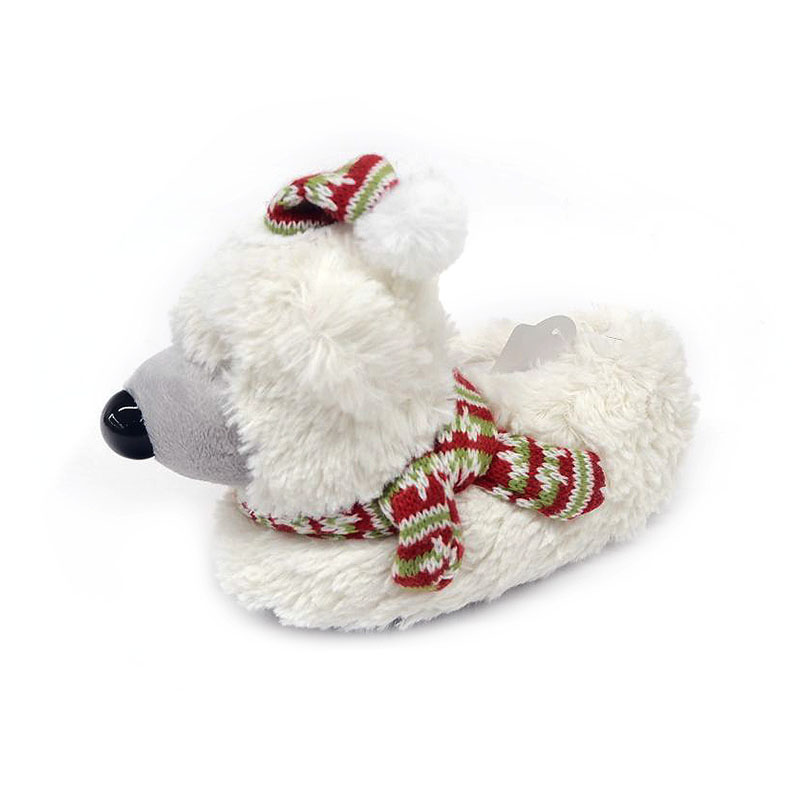
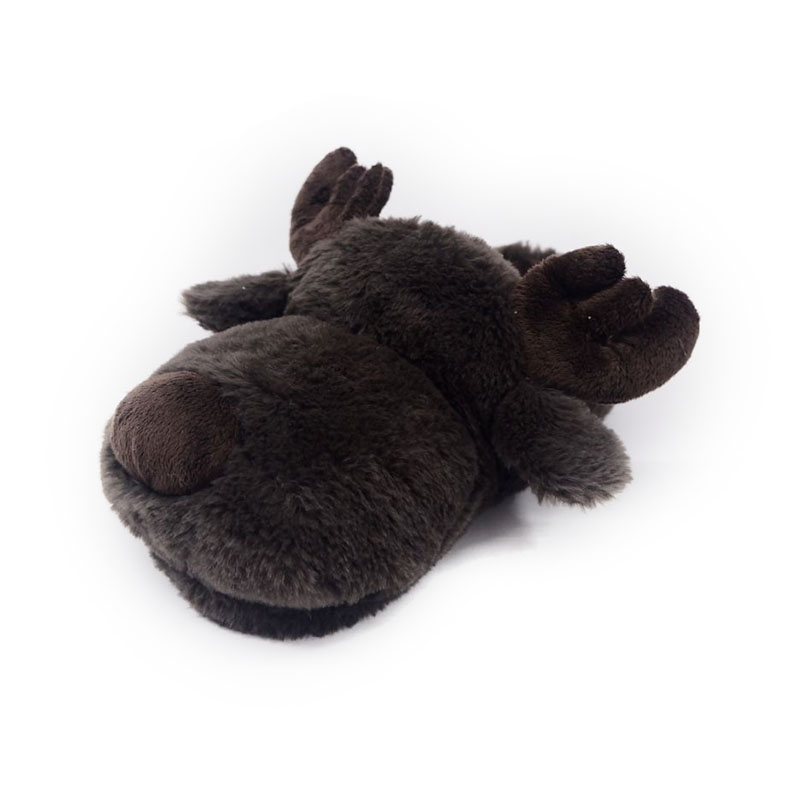
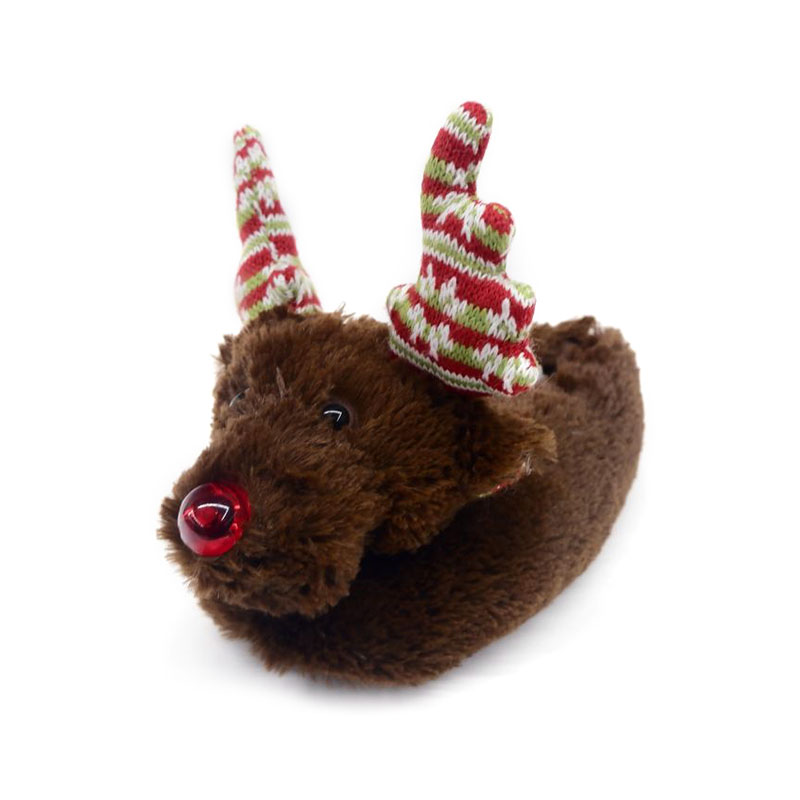
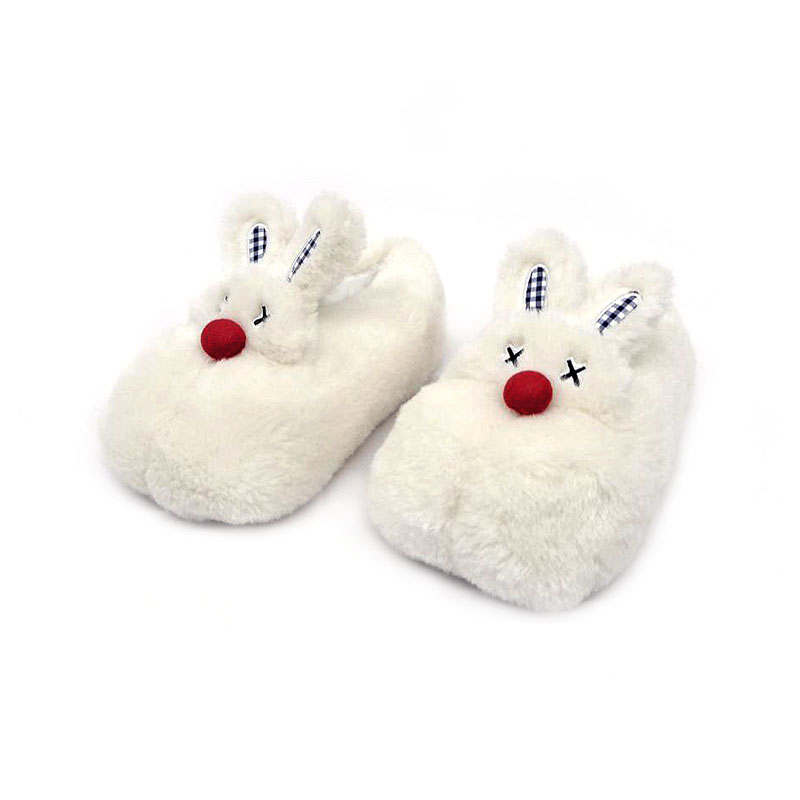
The design of Plush Animal Slippers For Kids can also impact how well they maintain their plushness and softness over time. Slippers with a single-layer construction might be more prone to flattening than those with a dual-layer or reinforced design. Additionally, designs with intricate details such as ears, noses, or eyes that are sewn onto the fabric can wear out more quickly, leading to fraying or loss of the animal character’s appeal.
The fit and flexibility of the slippers are crucial to their longevity. A well-fitting slipper with a flexible sole will allow the plush material to move with the foot, preventing unnecessary stress or stretching of the fibers. On the contrary, slippers that are too tight or stiff may cause the plushness to compress prematurely, especially at high-contact areas like the toes and heels.
External Factors and Environmental Exposure
External factors, such as temperature, humidity, and surface conditions, also play a role in the performance of Plush Animal Slippers For Kids. Hot and humid environments can cause the plush fibers to lose their softness, while very dry conditions can make them feel coarse or brittle. Exposure to direct sunlight can cause the fabric to fade, and excessive moisture can lead to mold or mildew buildup, particularly in slippers that are worn in damp environments.
For long-term preservation, it’s best to store the slippers in a cool, dry place when not in use and avoid leaving them in damp or overly hot areas. Additionally, storing the slippers flat, rather than folding them or compressing them, helps maintain their original shape.