 English
 русский
When comparing cushioning thickness, Animal Pattern Slippers typically offer 10–20mm of foam padding, while dedicated memory foam slippers usually provide 25–40mm of pressure-adaptive cushioning. For light, casual indoor use, Animal Pattern Slippers deliver adequate comfort. However, for all-day wear — especially on hard floors or for users who stand frequently — memory foam slippers hold a measurable advantage in shock absorption and fatigue reduction. That said, advances in slipper construction mean that many modern Animal Pattern Slippers now close this gap with layered foam systems, making them a genuinely competitive option for everyday home use.
Understanding Cushioning in Animal Pattern Slippers
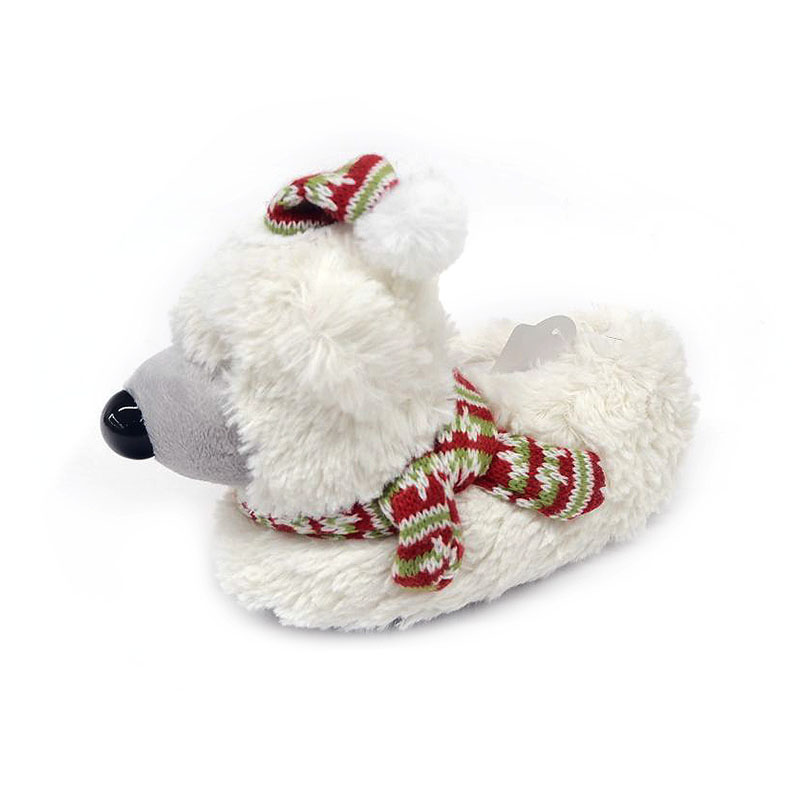
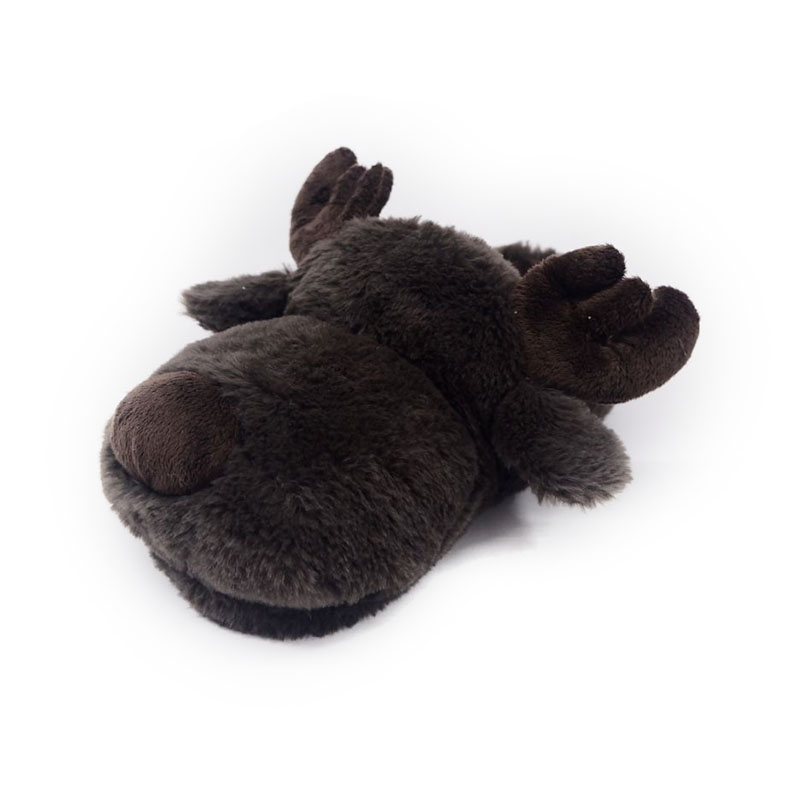
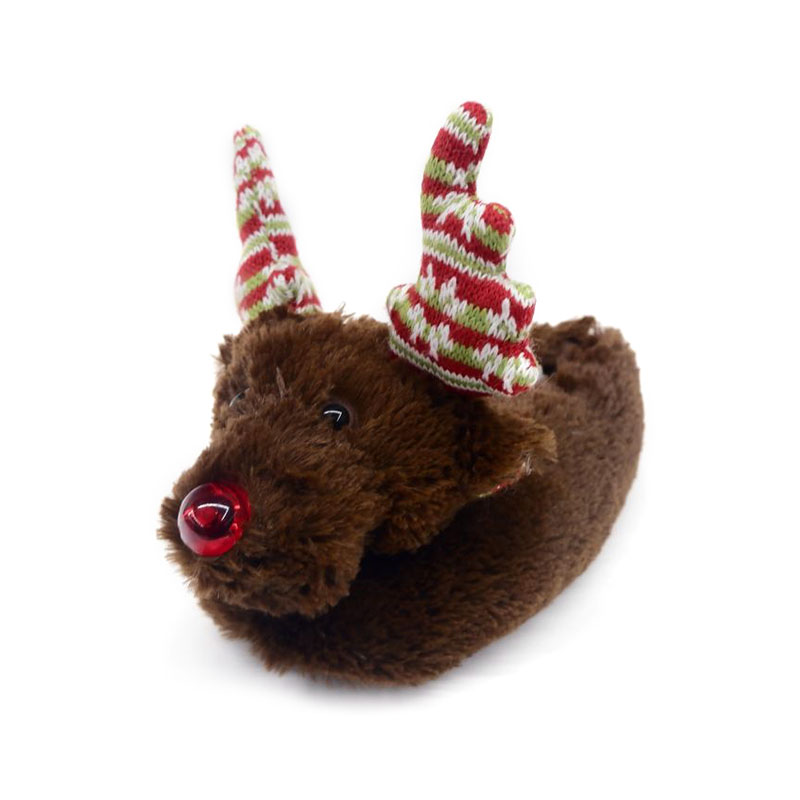
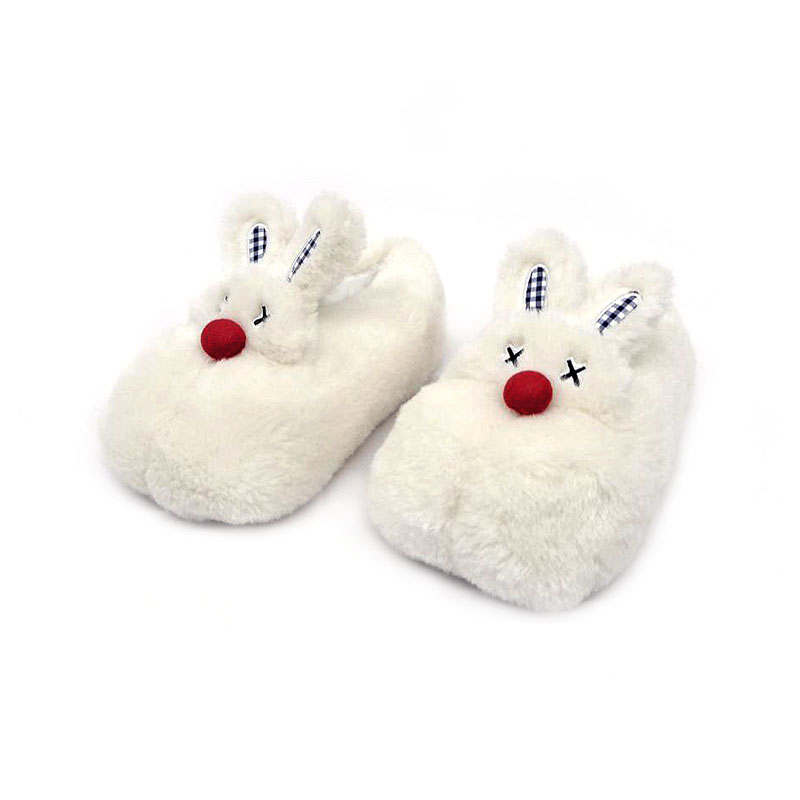
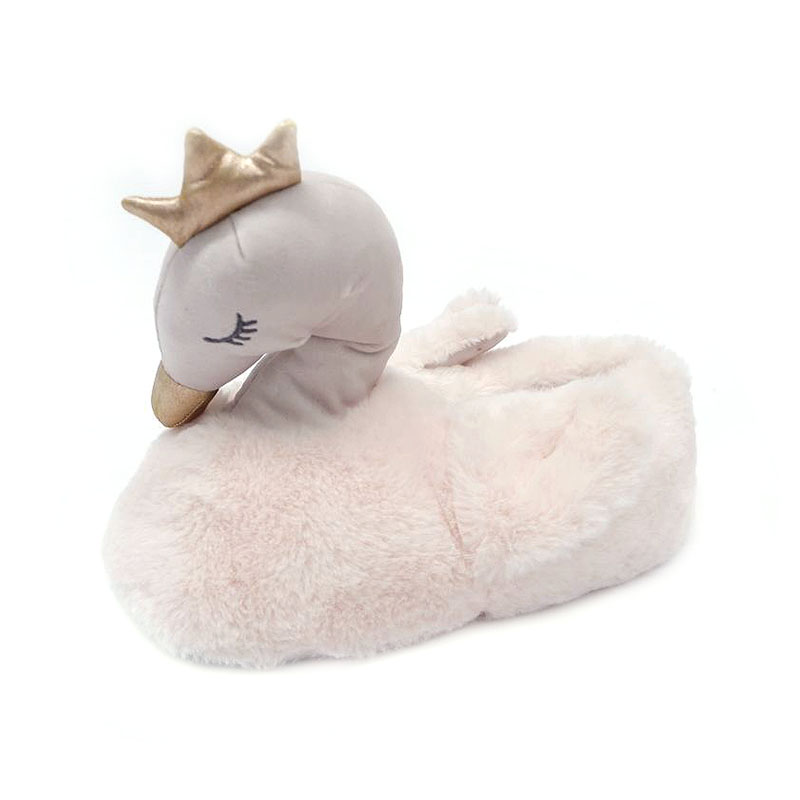
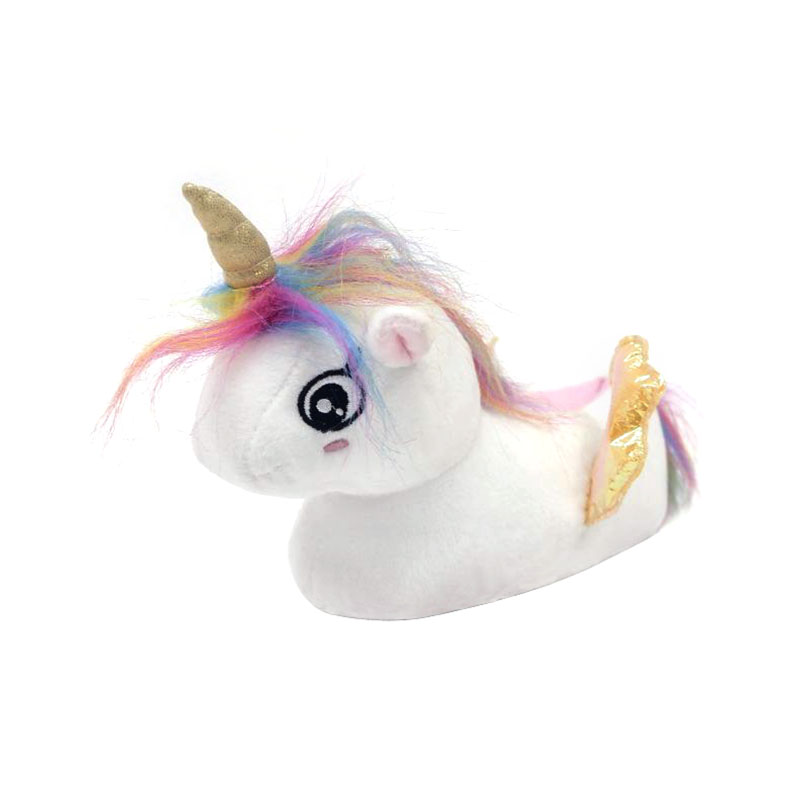
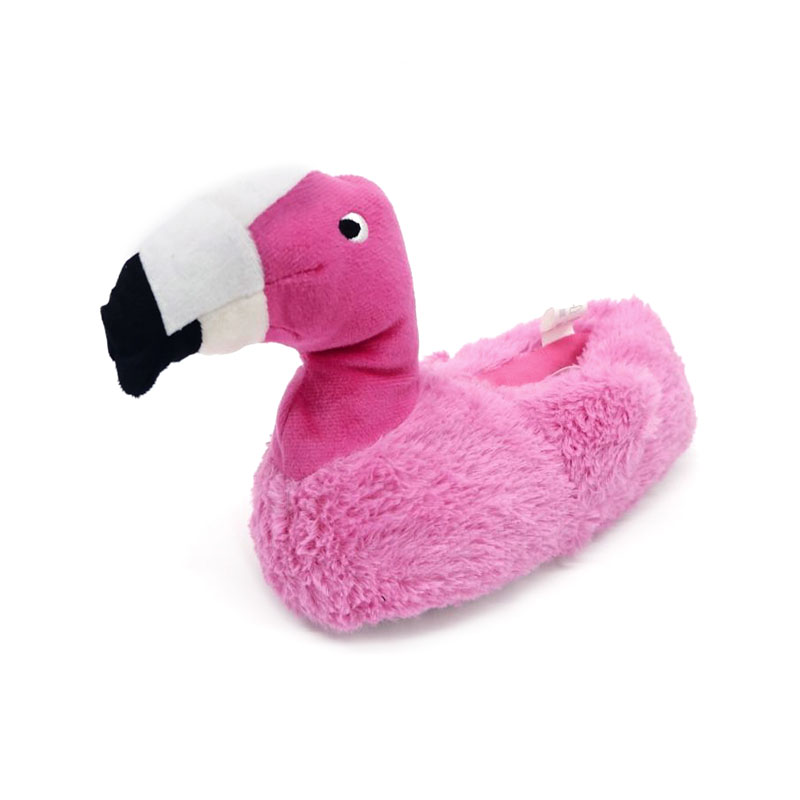
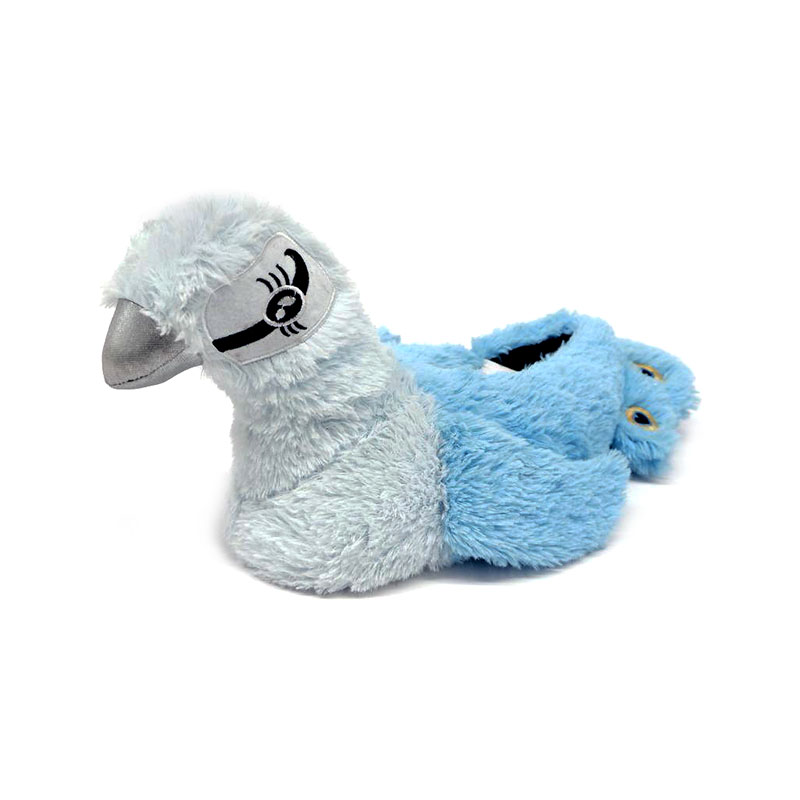
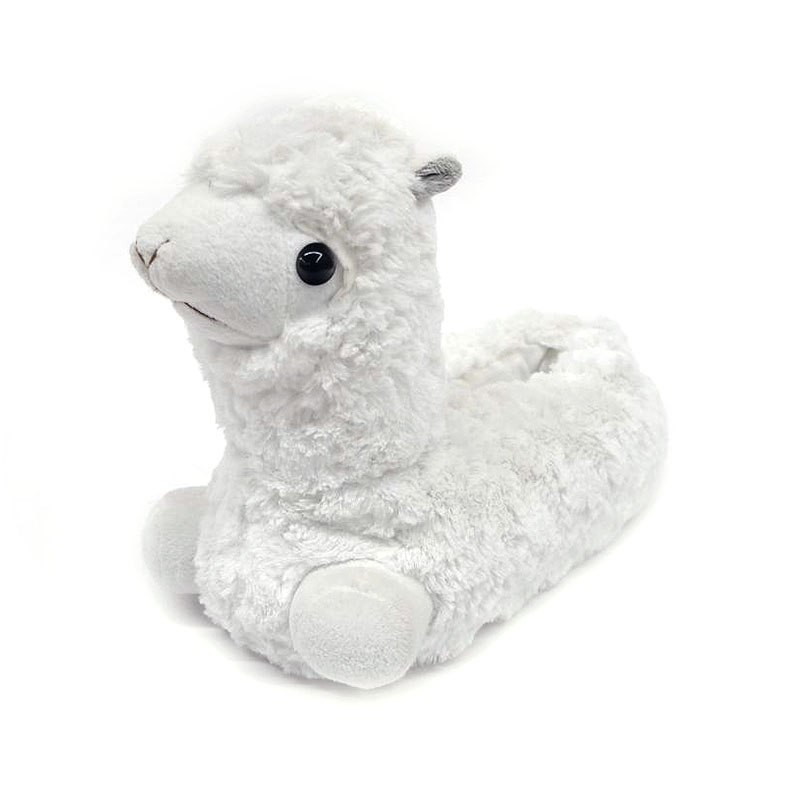
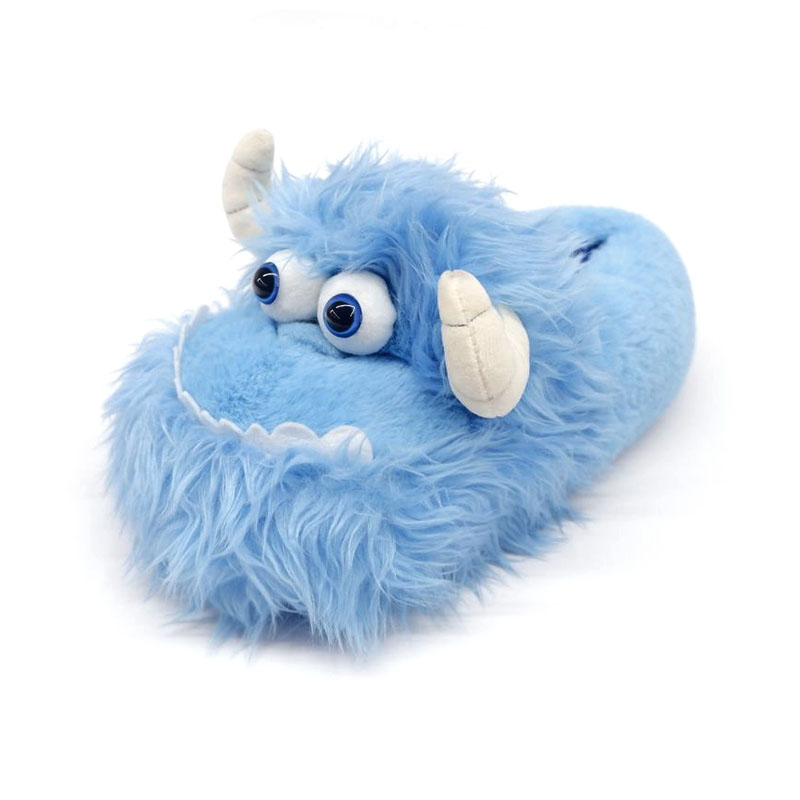
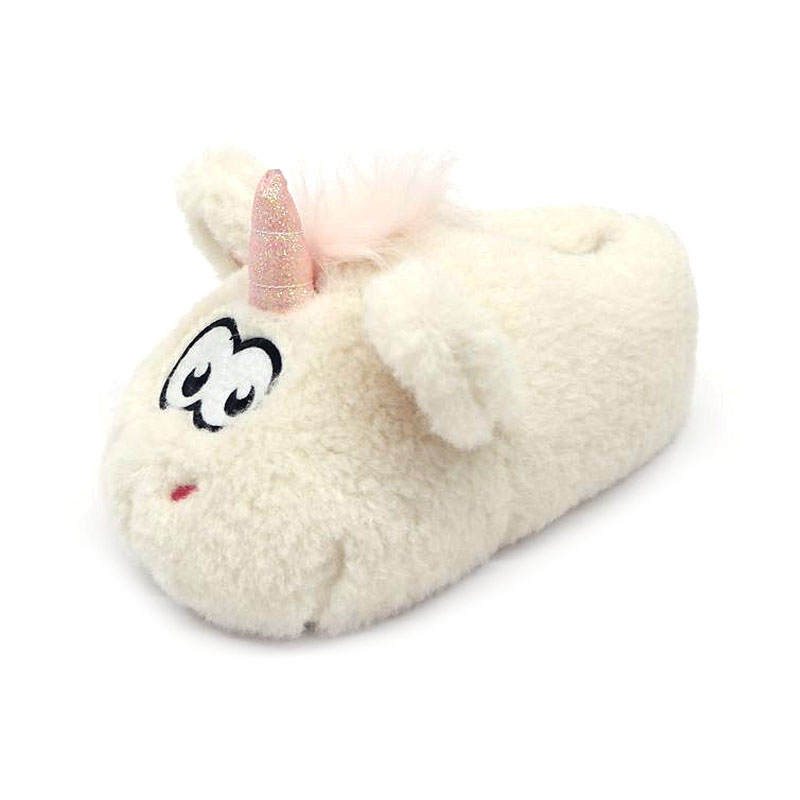
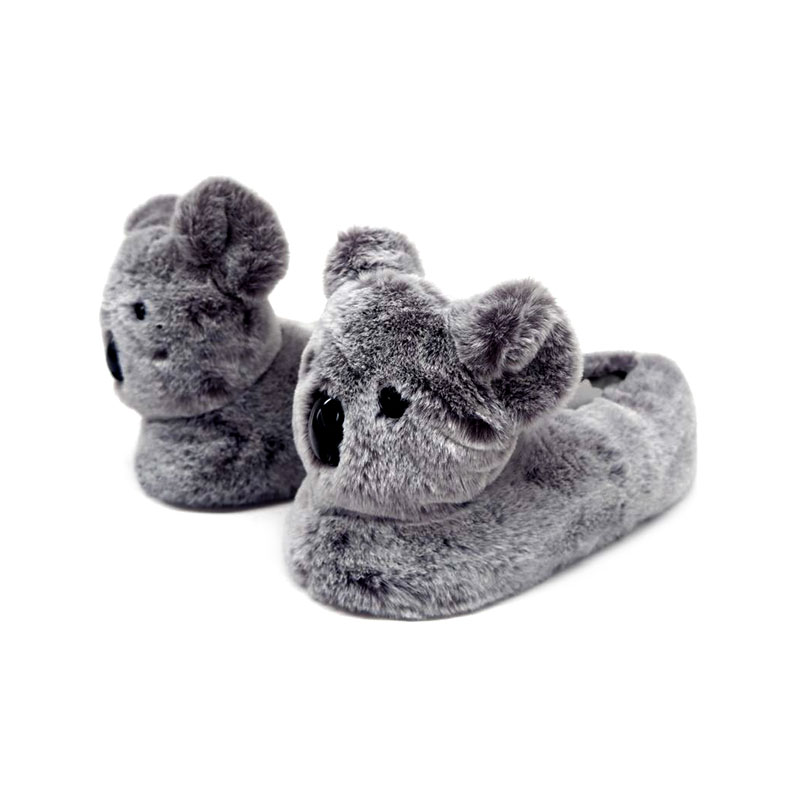
Animal Pattern Slippers are primarily designed with visual appeal and comfort in mind. The padded insole in most standard models uses EVA (ethylene-vinyl acetate) foam or basic polyurethane foam, which ranges from 10mm to 20mm in thickness. EVA foam is lightweight and provides a soft, cushioned feel underfoot, making it well-suited for casual movement around the home.
Some premium Animal Pattern Slippers — including styles sold under the umbrella of Cartoon Themed Slippers — now incorporate a dual-layer footbed: a soft plush lining on top and a denser foam base below. This construction improves both cushioning performance and longevity compared to single-layer designs.
Typical Cushioning Features Found in Animal Pattern Slippers
- EVA or polyurethane foam insoles (10–20mm)
- Plush or fleece interior lining for added softness
- Lightweight construction suited to short periods of standing
- Rubber or TPR outsoles that add 3–5mm of additional underfoot protection
How Memory Foam Slippers Differ in Cushioning Depth
Memory foam slippers are engineered specifically for prolonged comfort. The defining feature is viscoelastic foam, which responds to body heat and weight, contouring to the unique shape of your foot within minutes of wear. Most memory foam slippers feature insole depths of 25–40mm, with some orthopedic-grade models reaching 50mm.
This adaptive cushioning distributes pressure more evenly across the heel, arch, and ball of the foot — reducing strain during long periods of standing or walking on hard surfaces like tile or hardwood. Studies on footwear ergonomics suggest that insoles with at least 25mm of pressure-adaptive foam can reduce plantar fatigue by up to 30% compared to flat foam alternatives.
Head-to-Head Comparison: Animal Pattern Slippers vs Memory Foam Slippers
The table below summarizes the key differences between the two slipper types across the metrics most relevant to all-day indoor wear:
| Feature | Animal Pattern Slippers | Memory Foam Slippers |
|---|---|---|
| Insole Thickness | 10–20mm | 25–40mm |
| Foam Type | EVA / Polyurethane | Viscoelastic Memory Foam |
| Pressure Adaptation | Static (no contouring) | Dynamic (foot-shaped) |
| All-Day Wear Suitability | Moderate | High |
| Weight | Lighter (avg. 200–300g/pair) | Heavier (avg. 350–500g/pair) |
| Visual Appeal | High (fun, decorative) | Low (utilitarian) |
| Typical Price Range | $10–$30 | $25–$70 |
| Arch Support | Minimal | Moderate to High |
All-Day Wear: Where the Difference Becomes Noticeable
The practical impact of cushioning depth becomes apparent after 4–6 hours of continuous wear. Users who work from home, spend long hours in the kitchen, or simply prefer wearing slippers throughout the day tend to report more foot fatigue in standard Animal Pattern Slippers compared to memory foam alternatives.
This is not a design flaw in Animal Pattern Slippers — it is a reflection of their intended use case. They excel as casual, short-to-medium wear slippers for relaxed home settings. In contrast, memory foam slippers are built as a functional comfort product first.
When Animal Pattern Slippers Are the Right Choice
- Morning and evening routines (1–3 hours of wear)
- Gifting occasions — especially popular as CARTOON CASUAL SLIPPERS for children or novelty-loving adults
- Households that prioritize fun, themed aesthetics over ergonomic performance
- Lightweight wear where slipper weight matters (e.g., for elderly users or children)
When Memory Foam Slippers Are the Better Option
- Full workday wear (6–10 hours) on hard floors
- Users with foot conditions such as plantar fasciitis or heel spurs
- Post-surgical or rehabilitation foot care at home
- Anyone who prioritizes arch support and pressure relief above aesthetics
The Role of Outsole Design in Overall Cushioning Feel
Cushioning is not just about the insole. The outsole plays a supporting role in how "soft" a slipper feels during wear. Most Animal Pattern Slippers use a flat rubber or TPR (thermoplastic rubber) outsole between 3–6mm thick. This adds a small but meaningful buffer between the foot and the floor, particularly on cold tile or concrete surfaces.
Memory foam slippers typically pair their thick insoles with a contoured outsole that mirrors the natural arch of the foot. This alignment enhances the cushioning effect because the foam is not just thick — it is positioned to absorb impact where the foot needs it most: the heel and the ball.
Can Animal Pattern Slippers Be Upgraded for Better Cushioning?
Yes — and this is a practical option many users overlook. Aftermarket insoles can be inserted into most Animal Pattern Slippers that have a removable or open-toe construction. A 3/4-length memory foam insole insert (typically $8–$15) can bring the cushioning depth and adaptability closer to a dedicated memory foam slipper, at a fraction of the cost.
This approach is particularly useful for users who love the look of Cartoon Themed Slippers but need more daily support. The key is to check the internal width of the slipper before purchasing an insert, as insoles that are too thick can make the fit uncomfortably tight.
- Measure the internal length and width of your Animal Pattern Slippers
- Choose a 3/4-length insole to avoid toe-box crowding
- Select a memory foam or gel insert with a minimum 15mm thickness
- Test for 30 minutes to assess fit and comfort before extended wear
Durability of Cushioning Over Time
Foam compression is a known issue in both slipper types, but it affects them differently. EVA foam — commonly used in Animal Pattern Slippers — tends to compress and flatten after 3–6 months of daily use, leading to a noticeable loss of cushioning. Memory foam, while more expensive, generally maintains its adaptive properties for 12–18 months before significant degradation occurs.
This means that over a 12-month period, a single pair of memory foam slippers may outlast two pairs of standard Animal Pattern Slippers in terms of cushioning performance — partially offsetting the higher upfront cost.
Animal Pattern Slippers are the right choice if you wear slippers for casual, intermittent use throughout the day and value personality and fun design. Many users enjoy them as CARTOON CASUAL SLIPPERS that double as a lighthearted expression of personal style at home. They are comfortable, cheerful, and lightweight — ideal for morning routines, weekend relaxation, or as a thoughtful gift.
Memory foam slippers are the better investment if your priority is sustained foot comfort during long hours indoors, particularly on hard flooring or if you have any existing foot health concerns. The cushioning depth and pressure-adaptive technology simply cannot be matched by standard EVA foam at this time.
For many users, the ideal solution is both: Animal Pattern Slippers for short-wear occasions and gifting, and a pair of memory foam slippers for all-day comfort. This way, you get the joy of Cartoon Themed Slippers without compromising on ergonomic support when your feet truly need it.