 English
 русский
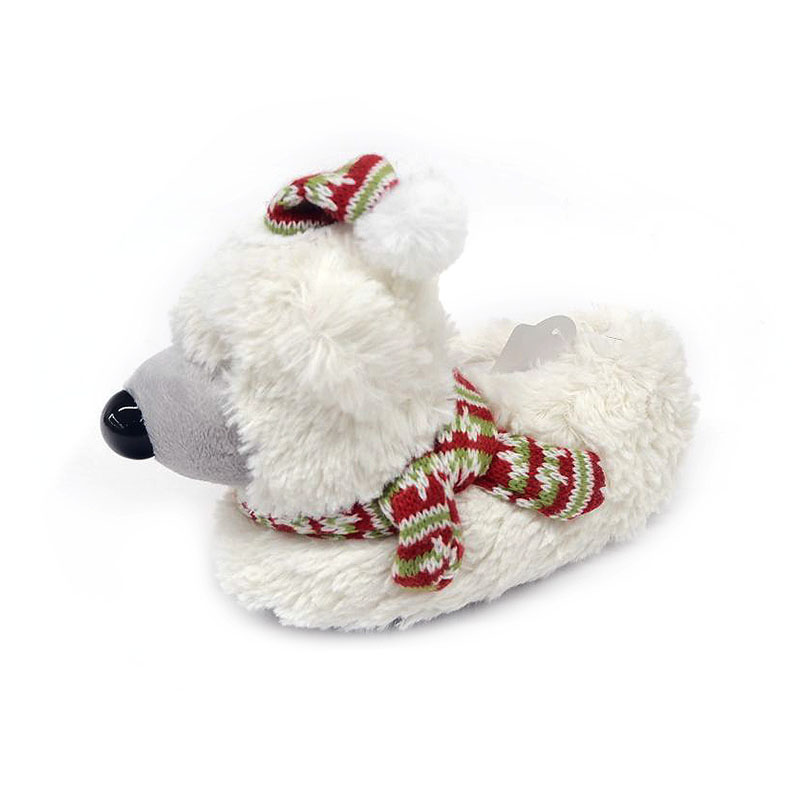
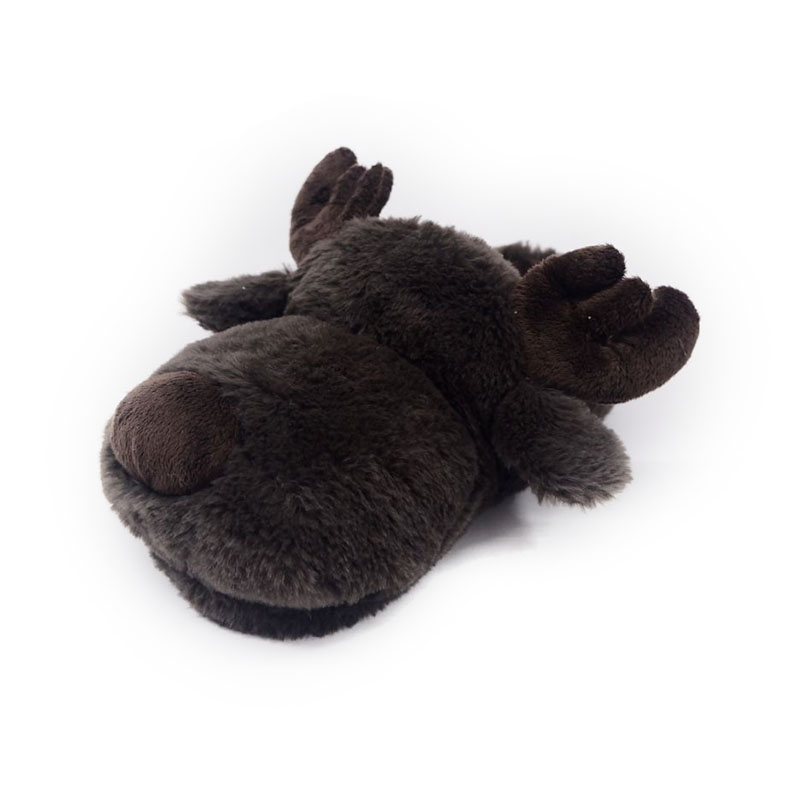
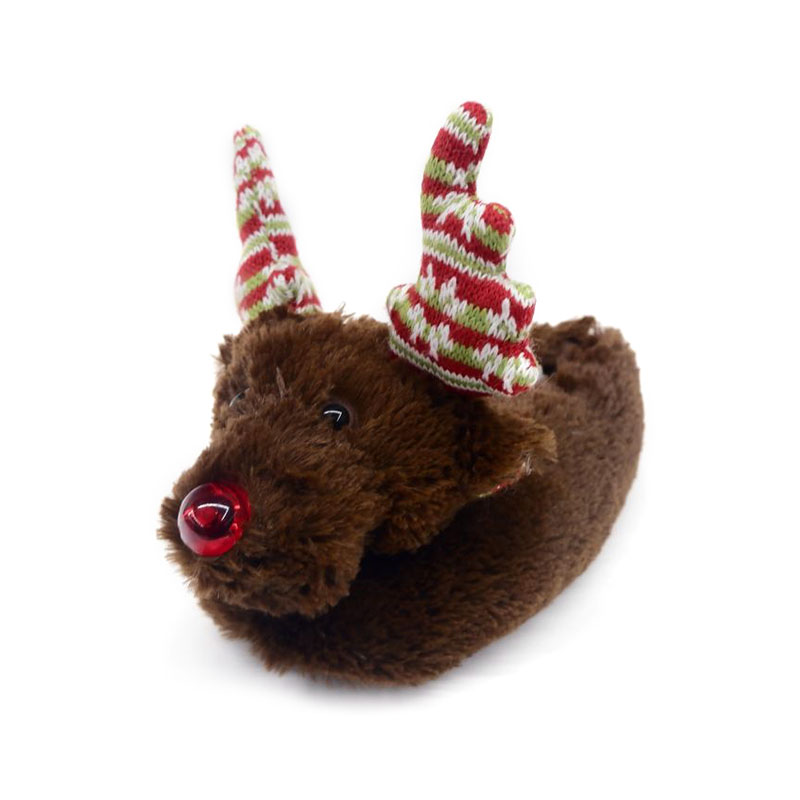
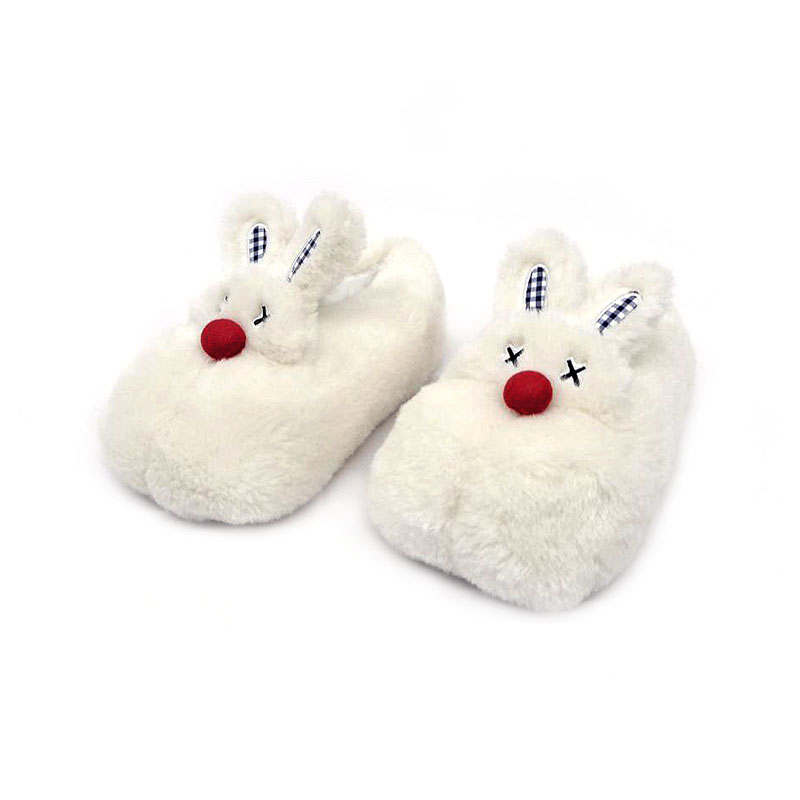
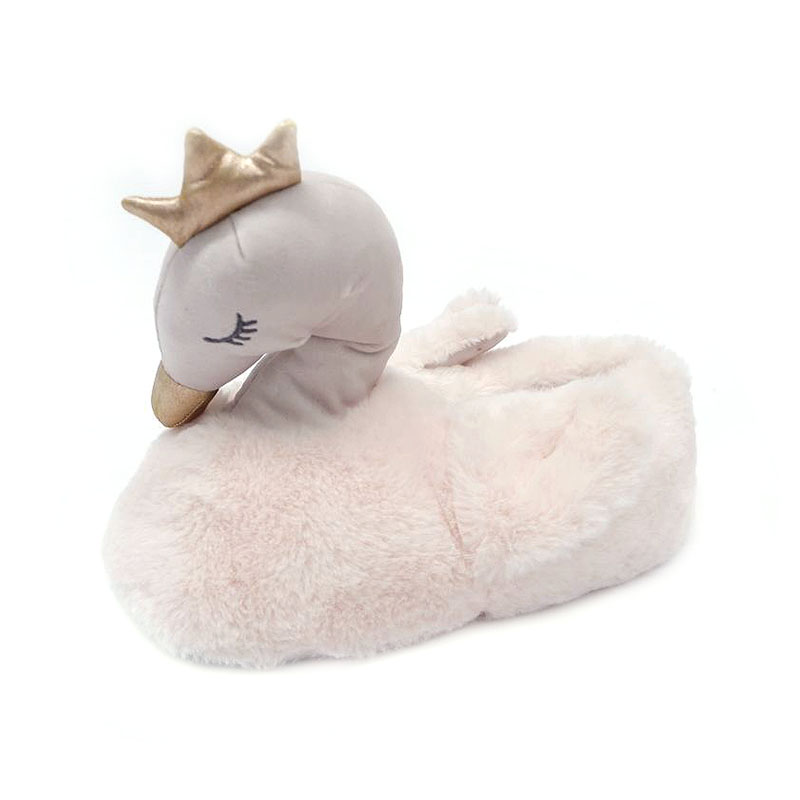
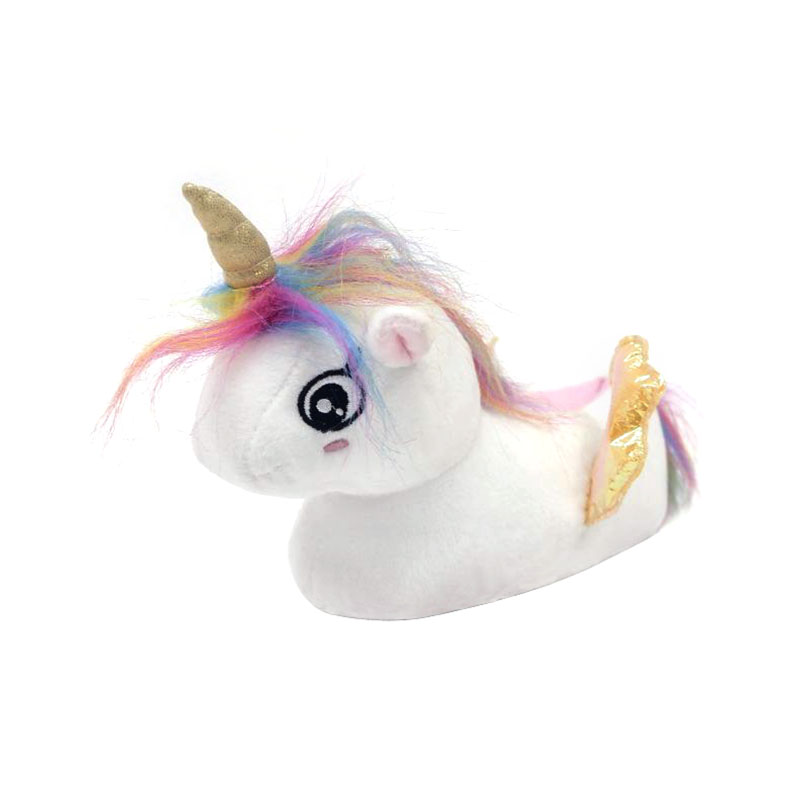
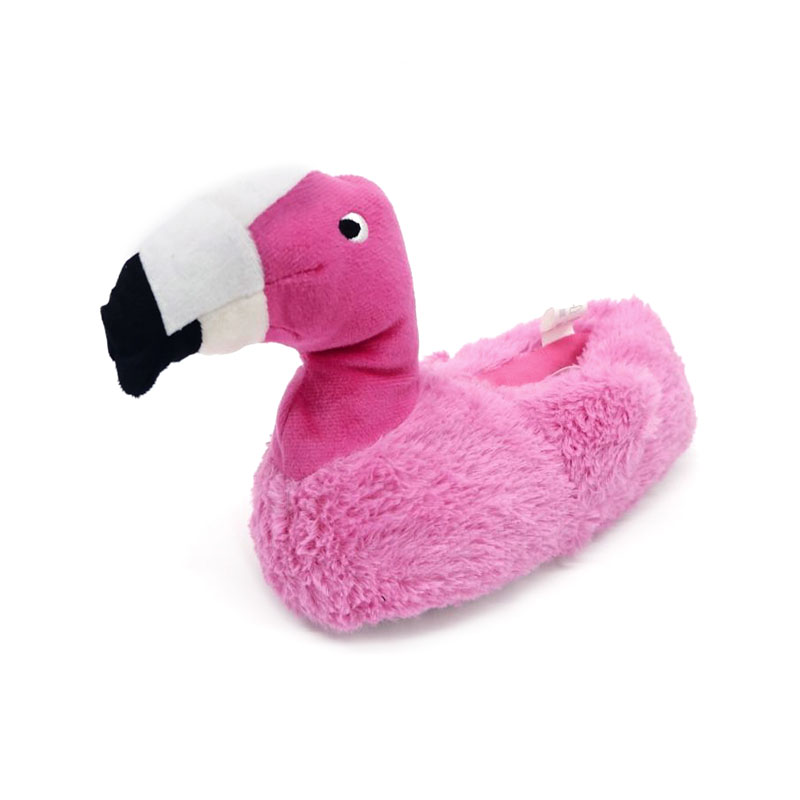
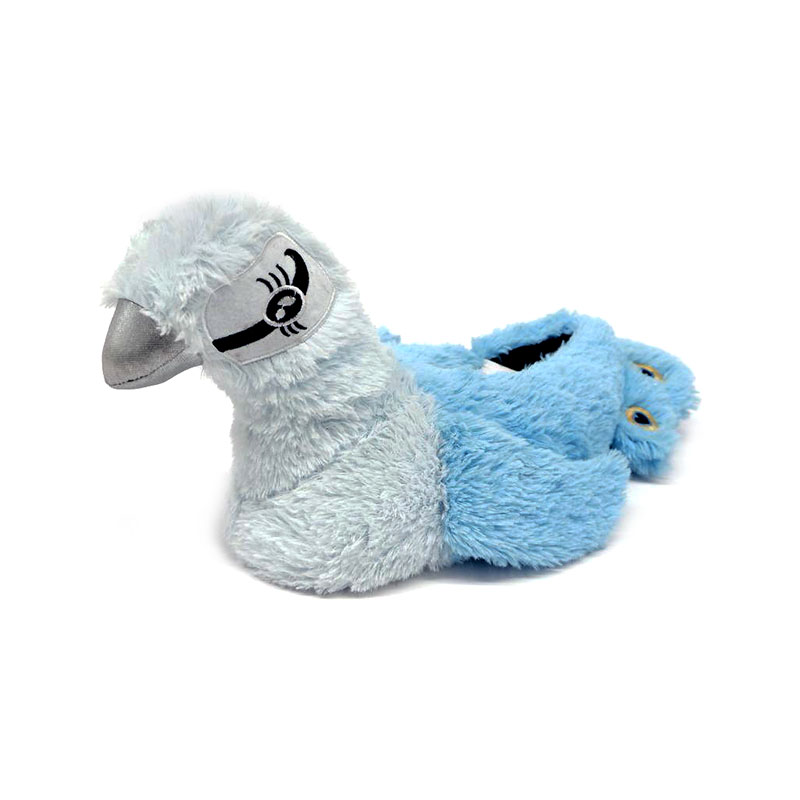
When evaluating Plush Animal Slippers For Kids, wear resistance is one of the most critical factors parents consider. The straightforward answer is: microfiber plush generally outperforms polyester plush in wear resistance, offering better durability, shape retention, and surface integrity over time. However, polyester plush remains competitive in cost-effectiveness and color retention. Understanding the specific differences helps you make a smarter purchase decision.
What Is Polyester Plush in Plush Animal Slippers For Kids
Polyester plush is the most widely used material in Plush Animal Slippers For Kids across the market. It is manufactured from synthetic polymer fibers, typically woven into a pile fabric that mimics the softness of natural fur. Standard polyester plush used in kids' slippers usually features a pile height of 3mm to 8mm, depending on the design.
Polyester fibers are strong individually, but the pile structure in plush fabric is prone to matting and flattening under repeated friction. In practical use, the upper surface of Plush Animal Slippers For Kids made with standard polyester plush may show visible wear — such as thinning pile and surface fuzz — after approximately 3 to 5 months of daily indoor use by an active child.
Despite this, polyester plush offers strong resistance to moisture and is relatively easy to wash, which matters greatly in kids' footwear. Its colorfastness is also notably good, meaning the vibrant animal prints on Plush Animal Slippers For Kids are less likely to fade even after 20+ wash cycles.
What Is Microfiber Plush in Plush Animal Slippers For Kids
Microfiber plush is a refined category of synthetic plush made from ultra-fine fibers, typically less than 1 denier in thickness — which is finer than a strand of silk. In Plush Animal Slippers For Kids, microfiber plush is often used in premium product lines due to its superior tactile softness and tighter fiber structure.
The denser fiber weave in microfiber plush means the surface is more resistant to abrasion. When the outer surface of Plush Animal Slippers For Kids encounters friction — from shuffling on hardwood floors, carpet surfaces, or tile — microfiber plush retains its texture significantly longer than standard polyester plush. In standardized abrasion resistance tests (such as the Martindale test), microfiber fabrics commonly achieve ratings of 20,000 to 50,000 cycles, compared to standard polyester plush ratings that often fall between 8,000 to 15,000 cycles.
For Plush Animal Slippers For Kids worn by children aged 3 to 10 — who tend to drag their feet, run indoors, and stress the slipper material more aggressively — this difference in wear resistance is practically significant.
Direct Wear Resistance Comparison: Polyester vs Microfiber
The table below summarizes key wear-resistance and durability attributes of both plush types as used in Plush Animal Slippers For Kids:
| Attribute | Polyester Plush | Microfiber Plush |
|---|---|---|
| Martindale Abrasion Rating | 8,000–15,000 cycles | 20,000–50,000 cycles |
| Pile Matting Timeline | 3–5 months daily use | 8–14 months daily use |
| Surface Fuzz After Washing | Moderate after 10+ washes | Minimal, even after 30+ washes |
| Color Retention | Excellent | Very Good |
| Softness to Touch | Soft | Ultra-soft |
| Average Price Range (per pair) | $8–$18 | $18–$35 |
| Best For | Budget-friendly, occasional use | Daily use, long-term durability |
How Usage Patterns Affect Wear Resistance in Plush Animal Slippers For Kids
The flooring type in your home significantly influences how quickly the plush on Plush Animal Slippers For Kids wears down, regardless of material type.
Hardwood and Tile Floors
These smooth surfaces cause the least abrasion on the plush upper. On hardwood or tile, the difference between polyester and microfiber versions of Plush Animal Slippers For Kids is less pronounced in the short term. Both materials may maintain acceptable appearance for 6+ months under moderate use.
Carpet and Rough Surfaces
Carpet is abrasive and accelerates pile wear significantly. On carpeted surfaces, polyester plush versions of Plush Animal Slippers For Kids can show noticeable matting and surface thinning in as little as 6 to 8 weeks under heavy daily use. Microfiber versions, by contrast, typically maintain their surface integrity for 3 to 5 months under the same conditions.
Age Group and Activity Level
Toddlers (ages 2–4) tend to shuffle and drag their feet, generating consistent friction on the toe area of Plush Animal Slippers For Kids. Older children (ages 6–10) may run and jump, stressing the heel and side panels more. For high-activity children, microfiber plush is the clear recommendation for long-term wear resistance.
Washing and Maintenance Impact on Plush Durability
Washing frequency is another major factor influencing the long-term wear resistance of Plush Animal Slippers For Kids. Both plush types degrade somewhat with repeated washing, but in different ways:
- Polyester plush tends to develop surface pilling and fiber tangling after approximately 10 to 15 machine wash cycles, which reduces softness and visual appeal.
- Microfiber plush maintains its texture more consistently, with noticeable degradation typically occurring only after 25 to 30 wash cycles, due to its finer, more tightly bound fiber structure.
- For both types of Plush Animal Slippers For Kids, using a gentle cycle with cold water and air drying significantly extends plush lifespan compared to hot wash and tumble drying.
Which Version of Plush Animal Slippers For Kids Should You Choose
The right choice depends on your specific priorities:
- Choose polyester plush Plush Animal Slippers For Kids if you are working within a tight budget, need a gift or occasional-use slipper, or your child tends to outgrow footwear quickly (every 3–4 months), making long-term durability less critical.
- Choose microfiber plush Plush Animal Slippers For Kids if your child wears slippers daily, your home has carpeted floors, or you want a pair that maintains its softness and appearance for a full season or longer without significant wear degradation.
- If your child has sensitive skin, microfiber plush is also the better option due to its ultra-fine fibers that are less likely to cause friction irritation over prolonged wear.
In terms of cost-per-use value, microfiber plush Plush Animal Slippers For Kids priced at $25 that last 12 months outperform polyester plush versions priced at $12 that require replacement every 4 to 5 months — making microfiber the more economical long-term investment despite the higher upfront cost.
Key Takeaways on Wear Resistance for Plush Animal Slippers For Kids
- Microfiber plush wins on wear resistance, with abrasion ratings up to 3x higher than standard polyester plush in Plush Animal Slippers For Kids.
- Polyester plush remains a solid choice for budget-conscious buyers or children who grow out of sizes quickly.
- Flooring type and washing habits are as important as material choice in determining actual lifespan.
- Microfiber versions offer better long-term cost-per-use value despite higher initial pricing.
- Always check product labels for fiber density and material specifications when purchasing Plush Animal Slippers For Kids to ensure you are getting the plush grade you expect.