 English
 русский
Bear Slippers for Women: The Plush, the Grip, and What Makes Them Last
A practical buyer’s guide written from the making side of the business — where the fur meets the sole and every detail is decided before the first sample is boxed.
There is a moment in a slipper factory when a new bear style first comes off the line. Someone picks it up, runs a hand across the upper, then turns it over to study the sole. That turn-over is the real test. The cuteness of a bear face only carries a product so far; the rest is decided by how the pair behaves on a real foot, on a real floor, across a real winter.
The conclusion from years of producing plush footwear is simple: the best bear slippers for women are not the fluffiest pair on the shelf. They are the ones that combine genuine plush warmth, a sole that grips without scraping indoor floors, and a construction that holds its shape through regular wear and occasional washing. Fluff alone is a first impression, not a feature. This guide explains what to check, what to ignore, and why the details under the fur matter as much as the face on top.
What Makes a Bear Slipper Read as a Bear
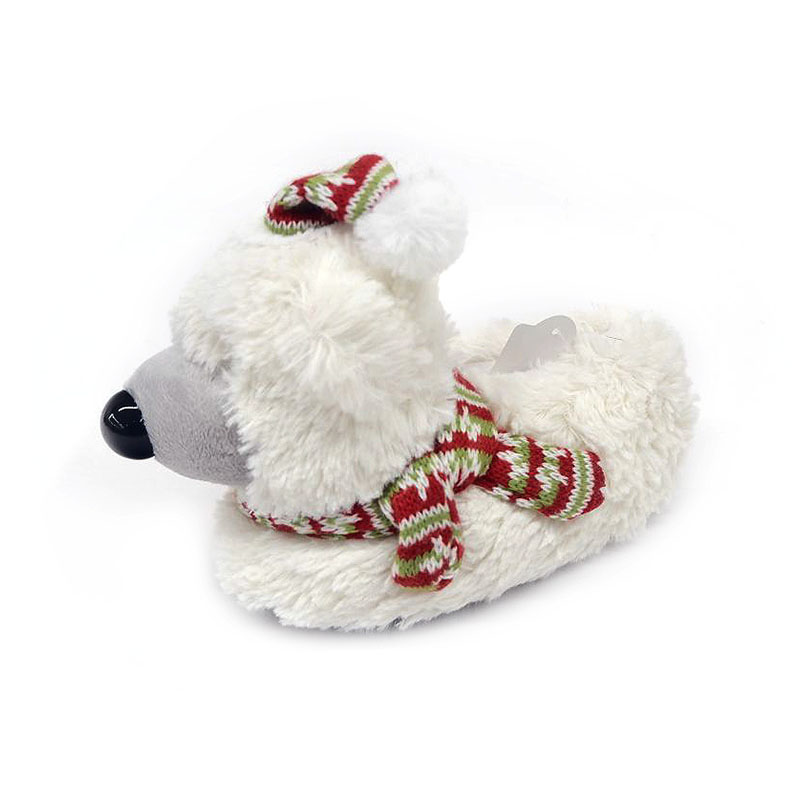
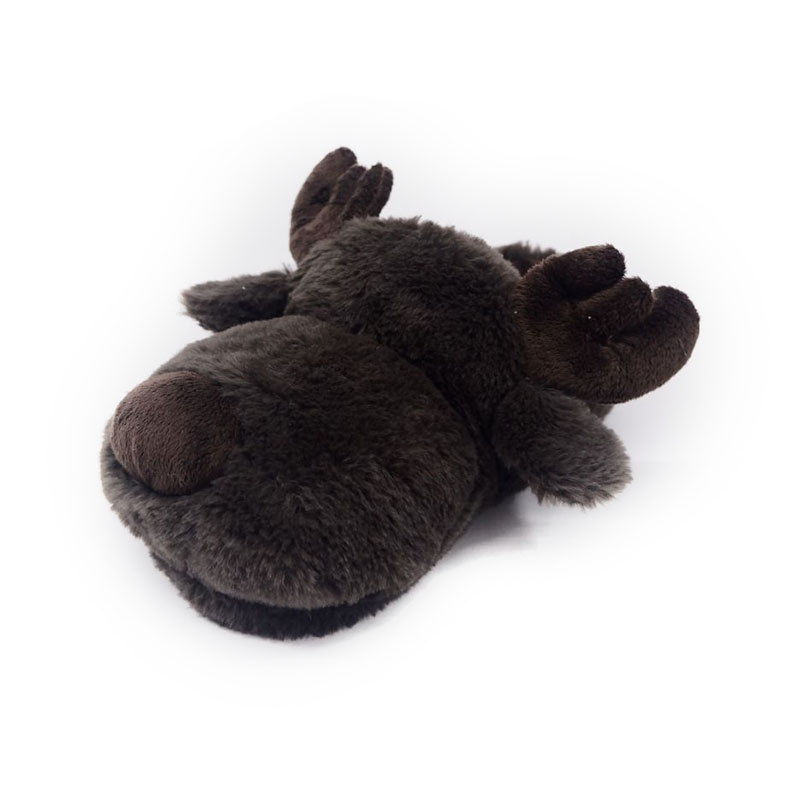
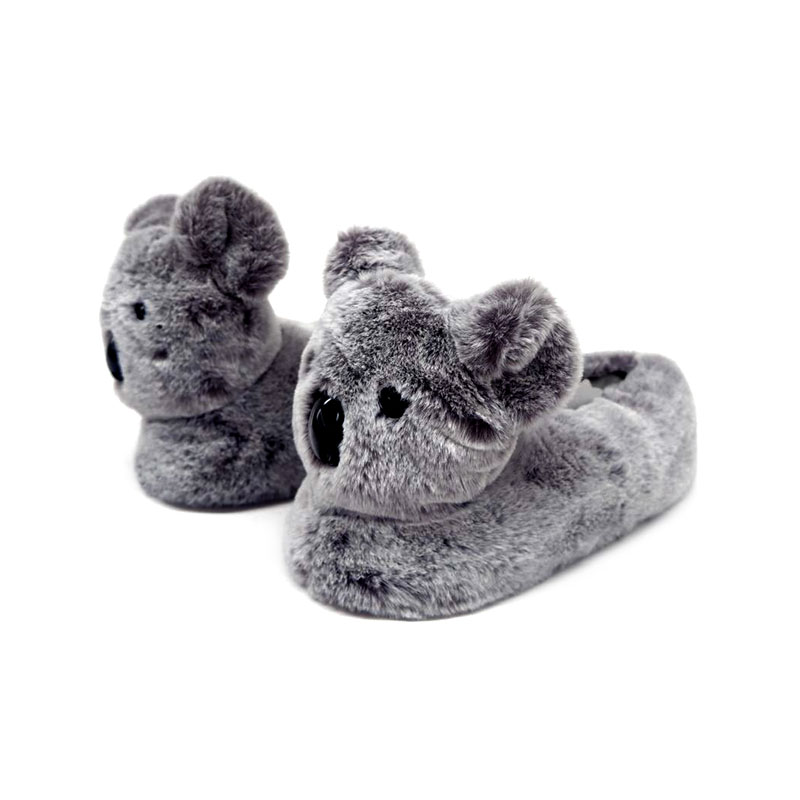
A bear slipper earns its name from more than a printed animal face on a fuzzy upper. The styles that hold up best use sculpted ears that sit upright instead of flattening on the first night, a rounded muzzle that is embroidered or stitched rather than glued on, and paw details that repeat on the footbed or the outsole. These are small decisions, but they are exactly what separates a slipper that looks like a little brown bear from one that reads as a generic fuzzy slide.
From a production standpoint, the most revealing detail is how the face is applied. Embroidery survives bending and washing far better than heat-transferred prints, especially around the toe, where the upper flexes with every step. In the factory, that area is the first place we check during flex testing. The same construction logic — the same lining, the same sole tooling, the same attention at the toe seam — carries across the women’s plush animal range, so the pair that wins you over can be any animal, not only a bear.
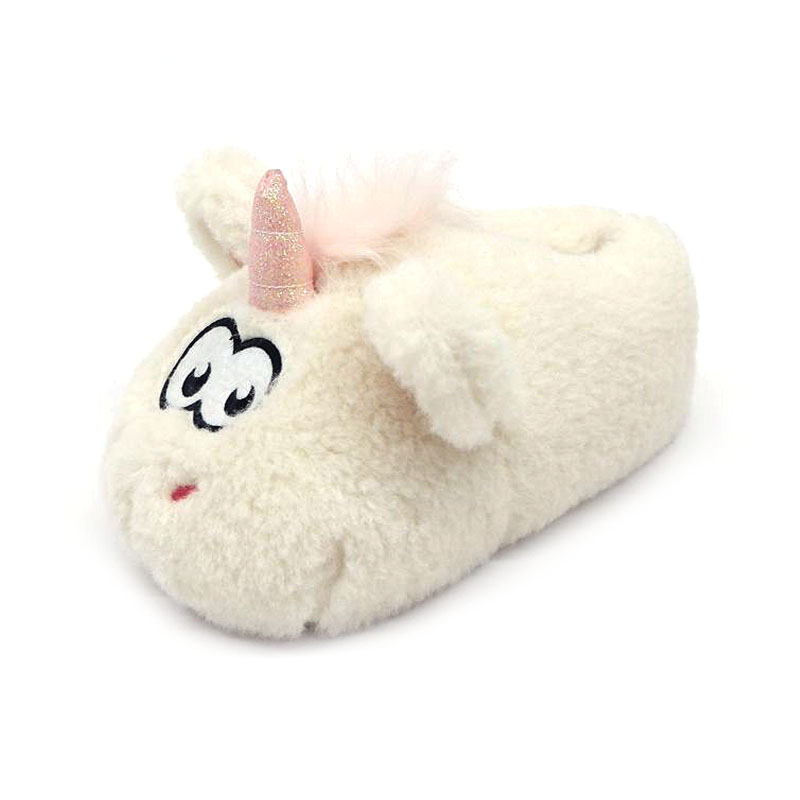
 Women's Plush Animal Slippers CollectionA range of animal-shaped slippers with soft plush, non-slip soles, and hand-stitched details—all sharing the same durable toe construction.View Product →
Warmth Without the Overheating
Plush density matters more than plush height. A long, loose fibre looks beautiful in product photography but mats down underfoot within a week. Denser pile traps more still air next to the foot, and trapped still air is what actually provides warmth. A pile height between roughly 10 and 15 millimetres is the practical comfort zone for a winter bear slipper — shorter feels thin, longer mats quickly under pressure.
Breathability is the other half of the equation. Feet sweat, and a slipper that seals heat in will turn comfort into clamminess by midday. The women’s winter fuzzy collection handles this with the same upper construction — soft lining inside, dense plush outside — while letting the opening of the slipper release moisture naturally. To understand the trade-off in practice, the design notes on how women’s winter fuzzy slippers deliver warmth and comfort walk through the lining and upper choices in more depth.
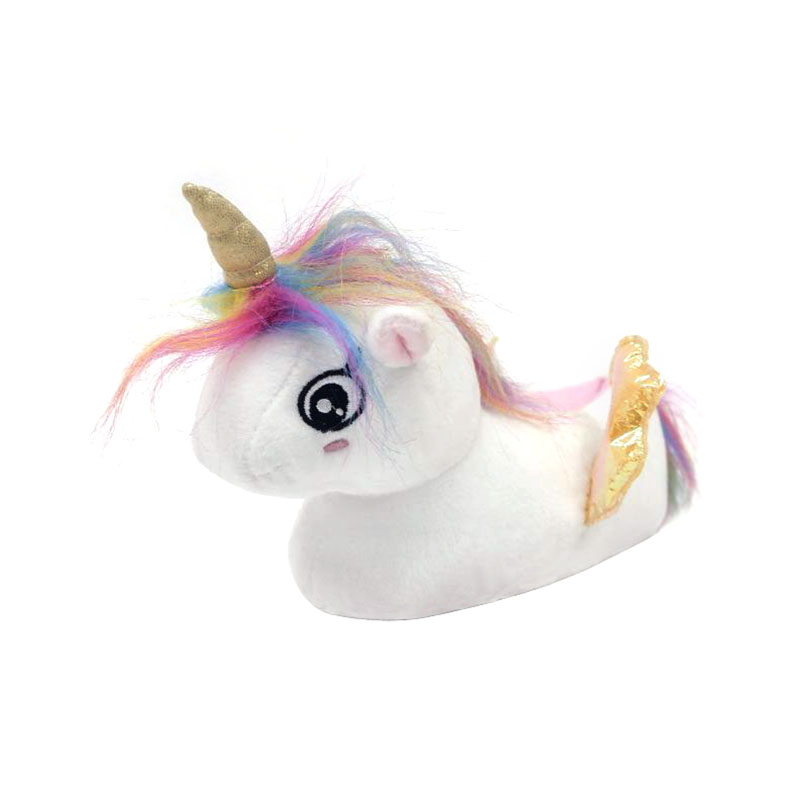
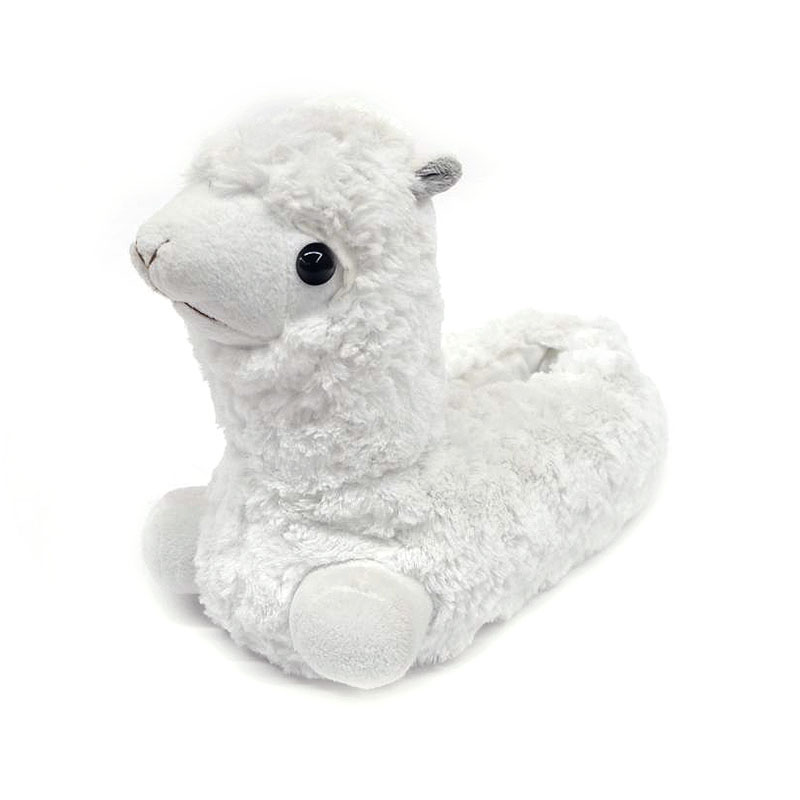
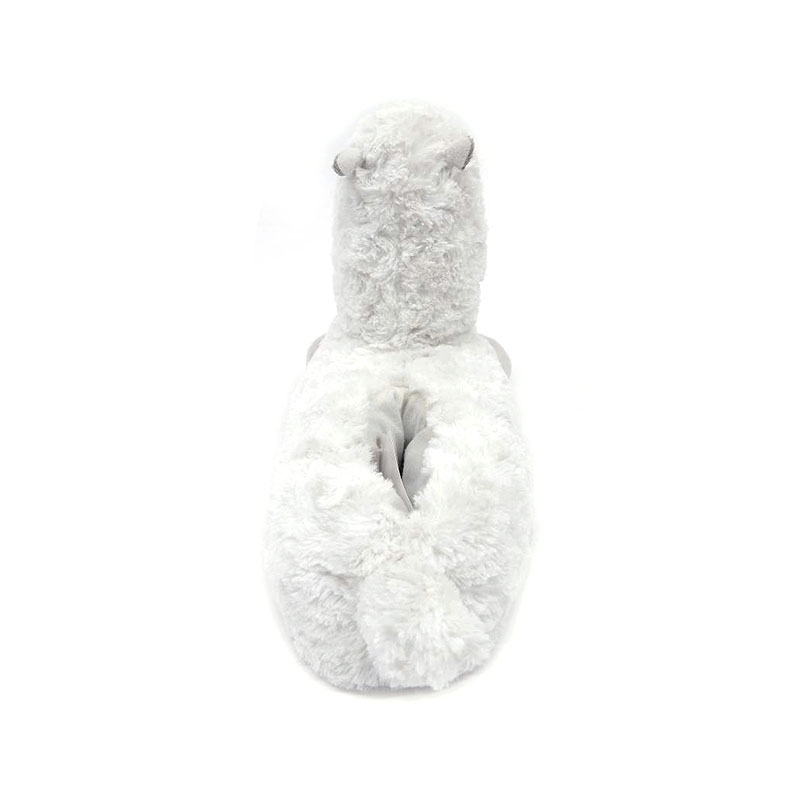 Cute White Alpaca SlippersHigh-density plush upper with a light indoor sole keeps warmth without heaviness; brushed lining and dot-molded outsole add comfort and grip.View Product →
As one example, the cute white alpaca slippers pair that same high-density plush upper with a light indoor sole, which is why they feel warm without becoming heavy over a long evening.
Soles, Cushioning, and the Slippery Floor Problem
The outsole is the least charming part of a bear slipper and the reason most pairs are retired early. Kitchens, polished concrete, stair landings, and bathroom tiles each create surfaces where a smooth sole turns a cute product into a hazard. Look for a TPR or rubber outsole with a visible tread pattern; small grooves and sipes break the contact area and provide grip on smooth flooring. A tread depth of around 2 to 3 millimetres is enough to counter the suction effect on tile. A fabric-wrapped soft sole, by contrast, belongs only in dry, carpeted bedrooms.
Cushioning sits between the plush and the sole, and it is often misunderstood. For all-day indoor wear, a midsole that is firm enough to support the heel without collapsing flat is preferable to a foam slab that feels cloud-like in the store. Foot fatigue in slippers rarely comes from thin soles; it comes from soles so soft that the foot overpronates on every step.
“The slipper that feels amazing for ten minutes can be the same one that aches after three hours — so we test soles with time on the floor, not a quick squeeze in the hand.”
| Outsole type | Best suited for | Grip on smooth floors | Main trade-off |
|---|---|---|---|
| TPR / rubber | Kitchens, stairs, multi-floor homes | High with a visible tread pattern | Slightly firmer underfoot |
| EVA foam | Living rooms, light daily wear | Moderate | Surface smooths with heavy use |
| Fabric / soft sole | Carpeted bedrooms | Low | Wears quickly, less stable on hard floors |
For most women, a TPR sole with a light tread pattern is the safer default. It works on tile, wood, and the short trip to the front door, and it does not compromise the softness of the upper.
A smooth sole on wet bathroom tiles gives almost no friction. If your slippers have no visible tread on the outsole, keep them on dry floors only.
Fit, Silhouette, and the Sizing Question
Bear slippers tend to run generous because of the thick lining. If you wear them mostly on bare feet, a half-size down often gives a neater fit; if heavy socks are part of your winter routine, a half-size up leaves room without pressure. The critical fit point is the heel. In a closed-back style, the heel should stay in contact with the back of the slipper as you walk; a heel that lifts with every step creates friction and eventually wears a permanent stain into the lining.
The round bear nose is an advantage for wide feet. A rounded toe box gives the toes room to spread, which makes animal-shaped slippers genuinely comfortable for women with a broad forefoot or bunions. The design is not just decorative — the geometry works in your favour.
- Heel hold: no lift at the back of the slipper when walking.
- Toe clearance: about a thumbnail of space ahead of the longest toe.
- Instep height: the upper should not press a crease into the top of your foot.
- Insole width: the foot should not overhang the edge when you stand.
Plush lining compresses a little during the first weeks of wear. A pair that feels snug on day one usually settles into a perfect fit by day ten; one that feels loose at first will often be too big by midwinter.
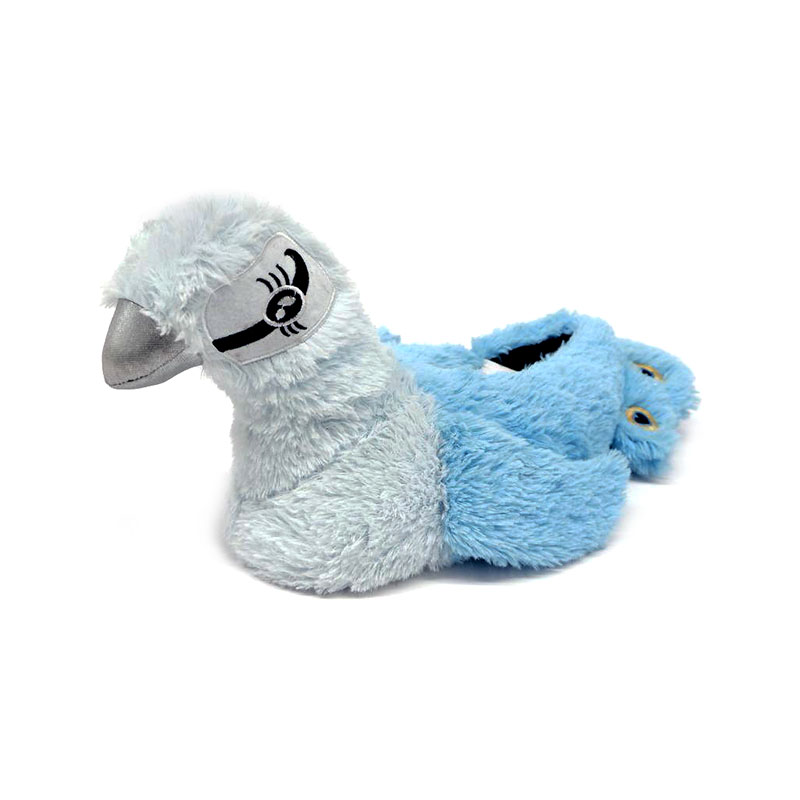
For women who prefer an open silhouette — easier to step into, cooler in warmer rooms, and faster to dry — the open-screen peacock slippers keep the plush animal character with a wider front opening.
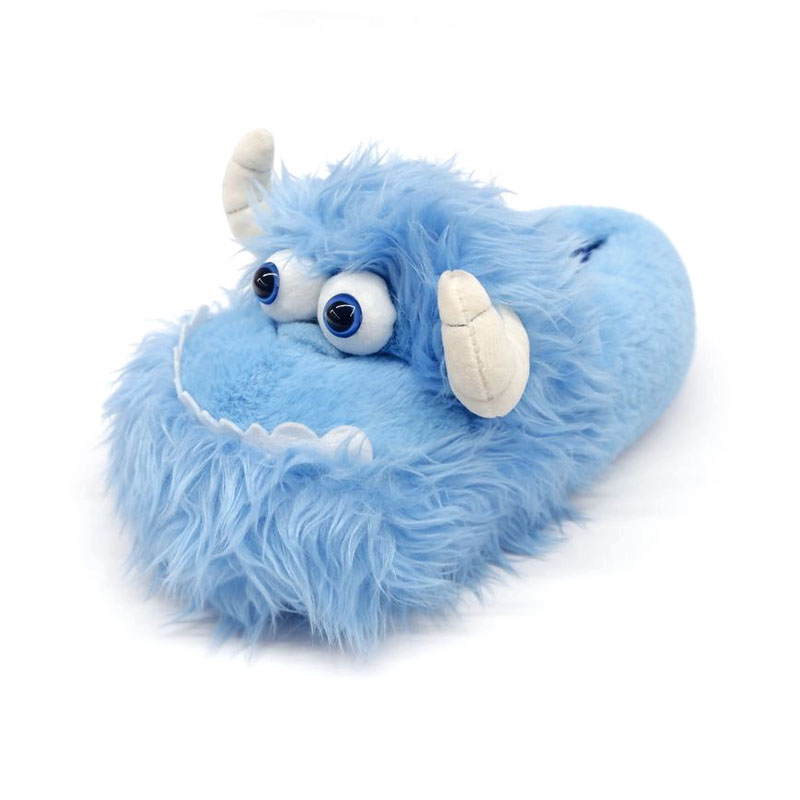
 Blue Open Screen Peacock SlippersAn open silhouette with PV fleece upper and anti-slip dot-molded outsole—easy to step into, breathable, and suited for indoor and casual wear.View Product →
Washing and Keeping the Fluff Alive
Plush slippers collect dust, pet hair, and general household grime, so cleaning matters beyond appearances. Most pairs with fabric uppers can survive a gentle machine wash if you protect the shape: cold water, a short delicate cycle, and a mesh laundry bag. The real enemy is heat. Plush fibre can twist and mat permanently at temperatures above about 30 to 35 degrees Celsius, so hot water, tumble drying, and direct radiator heat are all out of the question.
A tumble dryer is the single most common cause of dead, matted plush. The drum friction breaks the fibre nap, and the heat can shrink the lining so the slipper no longer fits the way it did on the first wear.
Drying flat in a shaded, ventilated spot preserves both the plush pile and the shape of the sole. We go into more detail on whether women’s winter fuzzy slippers keep their shape and fluffiness after extended wear or washing in the care guidance on our news page.
When the upper, sole, and footbed are built from quality materials and the care routine ends with flat drying, a good pair of plush slippers keeps its softness and silhouette for more than one season.
The Bottom Line
Bear slippers for women sit somewhere between a novelty gift and a winter essential. Chosen purely for the face, they tend to disappoint on the floor and in the wash; chosen for construction and fit first, they deliver exactly what a slipper should — warmth, ease, and a small moment of delight every morning when your feet slip into something that looks as good as it feels.
The pairs worth keeping are the ones whose makers test soles on wet tile, measure pile density against matting, and check how the bear’s ears look after a season of washing. You cannot see those details in a product photo, but they are the ones that decide whether your bear slippers stay in the winter rotation or end up in a donation bag by February.