 English
 русский
Cat Slippers for Women: The Comfort Is Real, the Cute Is a Spec
The first thing a woman notices is usually the face. The first thing a sourcing team should notice is the outsole. That separation is the practical center of this category. A cat slipper can pass a photo review and fail a wear trial in a week if the footbed is too soft, the back heel slips, or the ears are attached with the wrong backing. The conclusion comes first: buy the shoe as a shoe, then specify the cat as a controlled decoration.
Start With the Foot, Not the Face
For women’s cat slippers, the upper can be whimsical, but the last, footbed, outsole, and heel fit decide whether the pair stays in the rotation. A common sourcing mistake is to approve a sample on appearance and postpone fit to production. That is expensive, because every later fit correction can affect the pattern, the lining, and the cat-face placement.
Three checks should happen before color review:
- Heel hold. A closed-back plush bootie should stay on without the toes gripping. If the back collapses on a short walk, the size grading is wrong or the lining is too loose.
- Footbed compression. Memory foam feels generous on the first step, but it can bottom out under a heavier wearer. Ask how the foam behaves after 30 minutes of wear, not after 30 seconds.
- Outsole traction. Indoor slippers still meet tile, wood, and occasional damp floors. A textured rubber or TPR sole is more convincing than a smooth decorative base.
If those three are stable, the motif has a base. If they are not, the cat face is doing unpaid emotional labor.
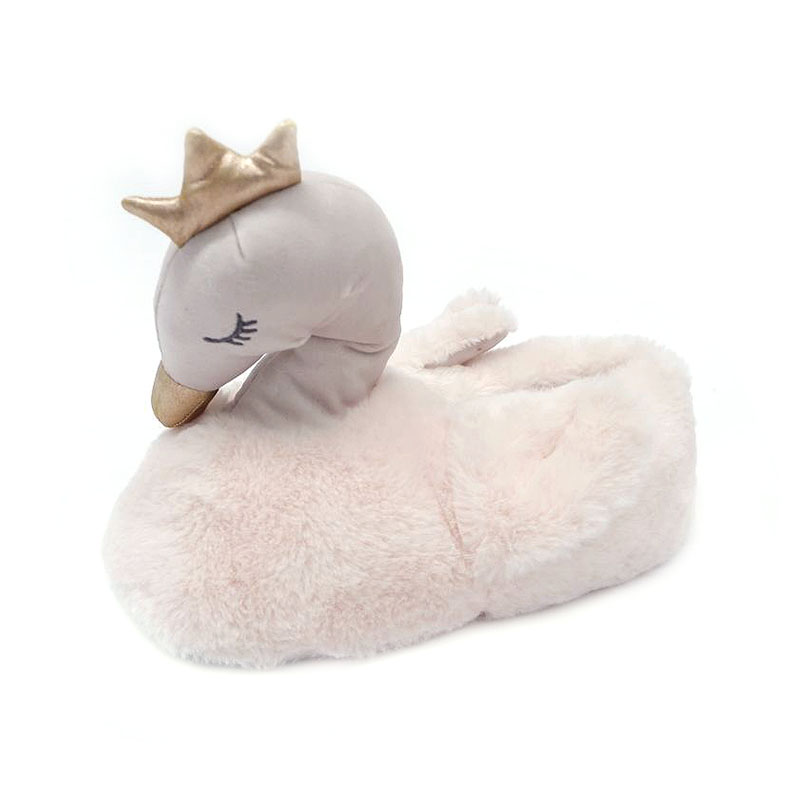
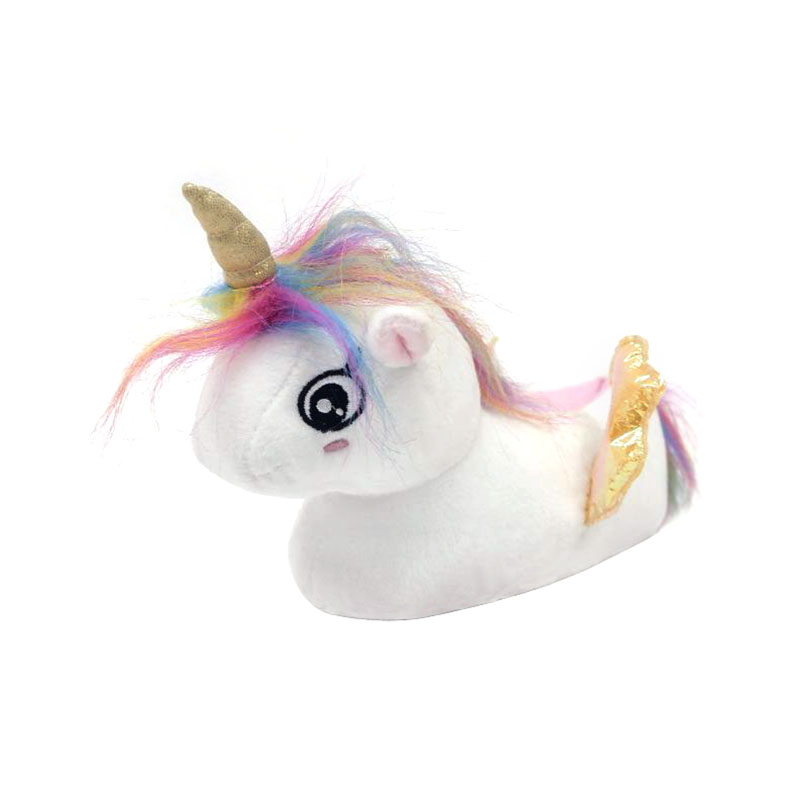
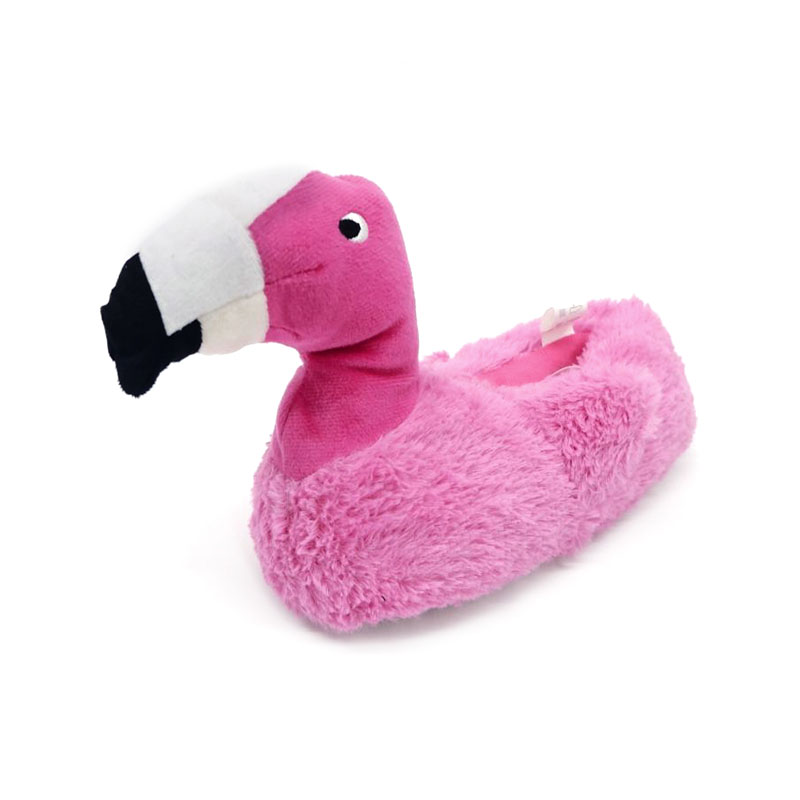
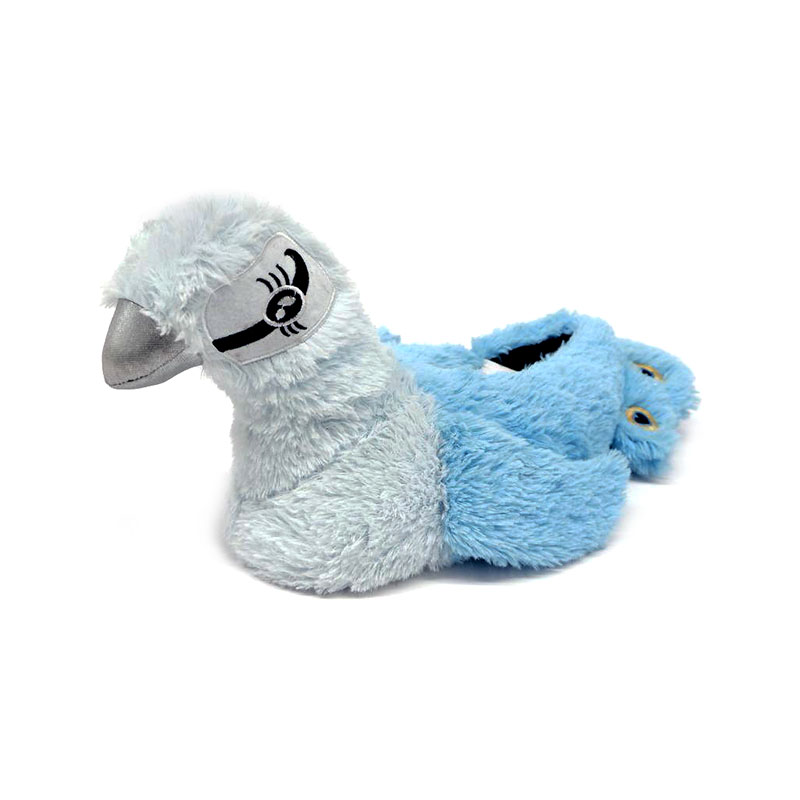
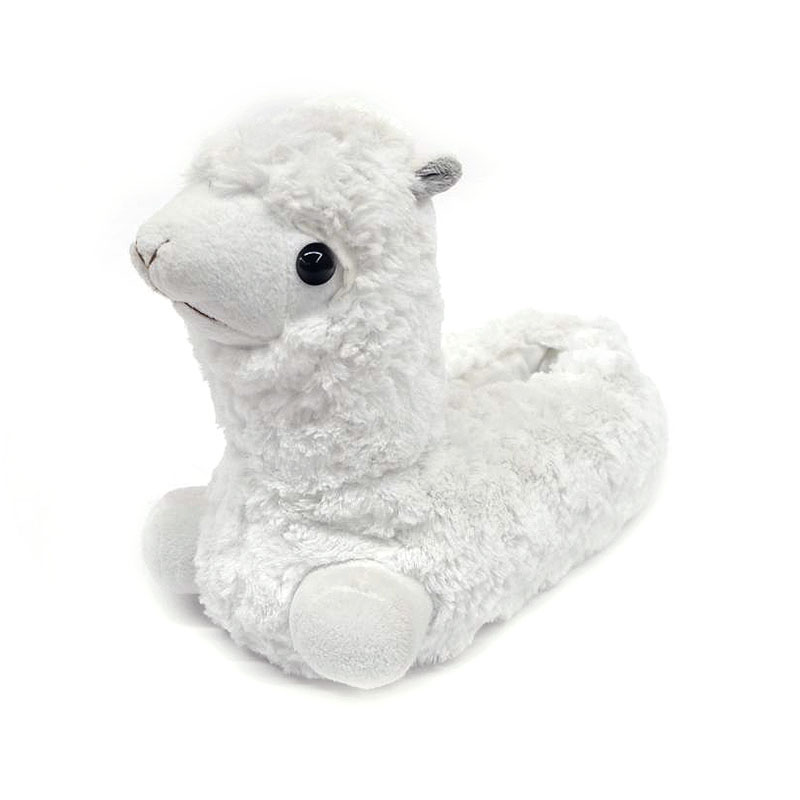
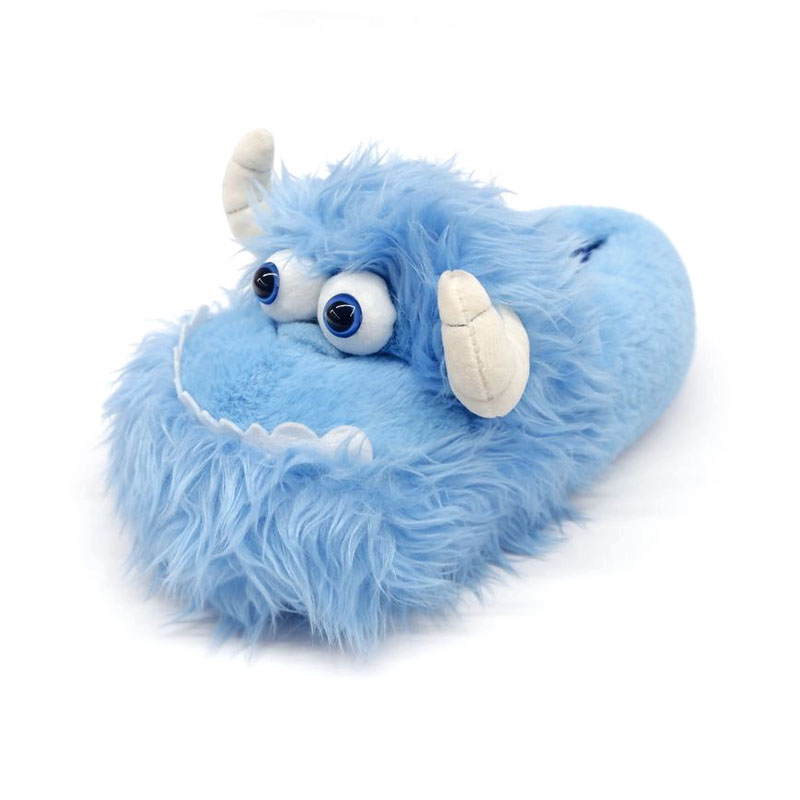
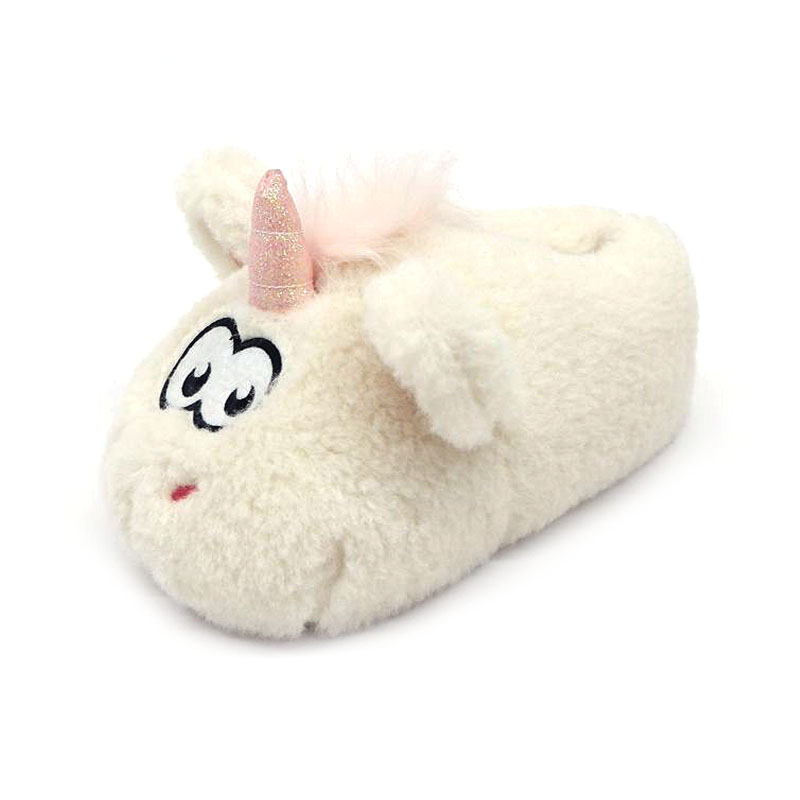
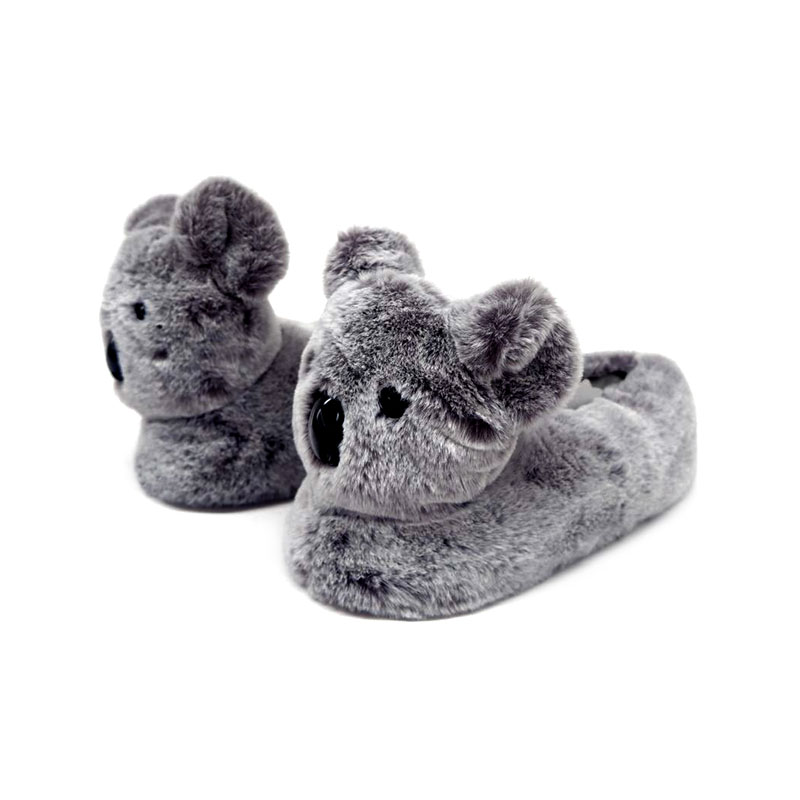
 Women’s Plush Animal Slippers RangeA reference set for comparing animal shapes, face placement, ear scale, and upper proportions across women’s and children’s plush slipper styles.View Product →
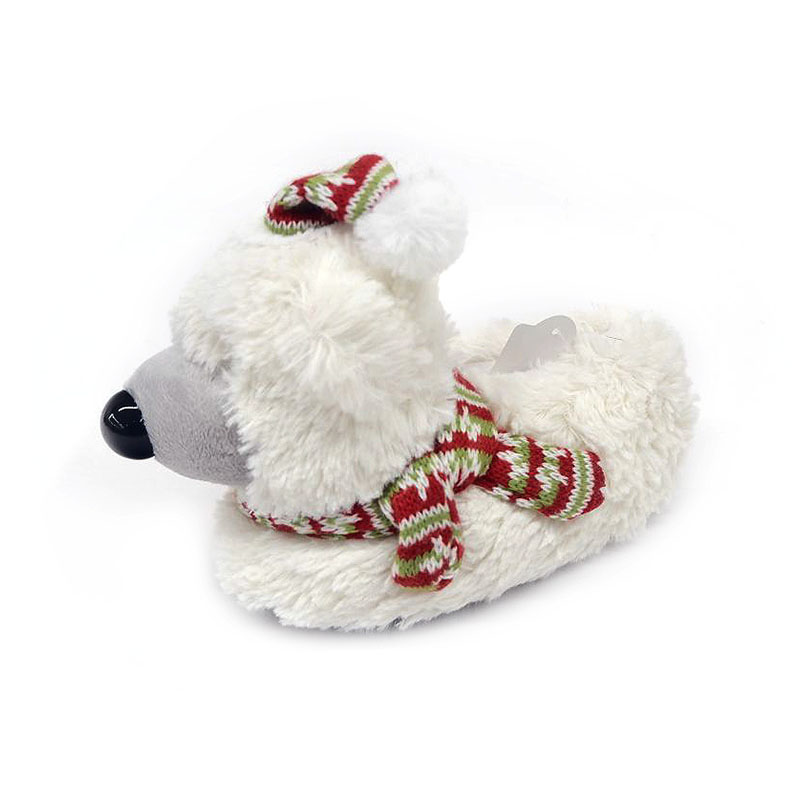
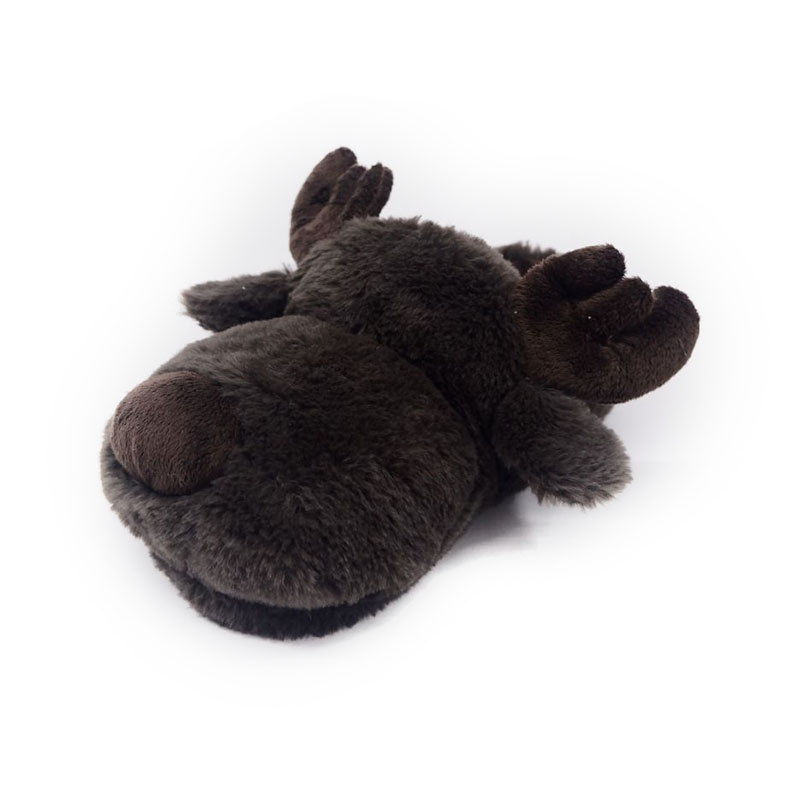
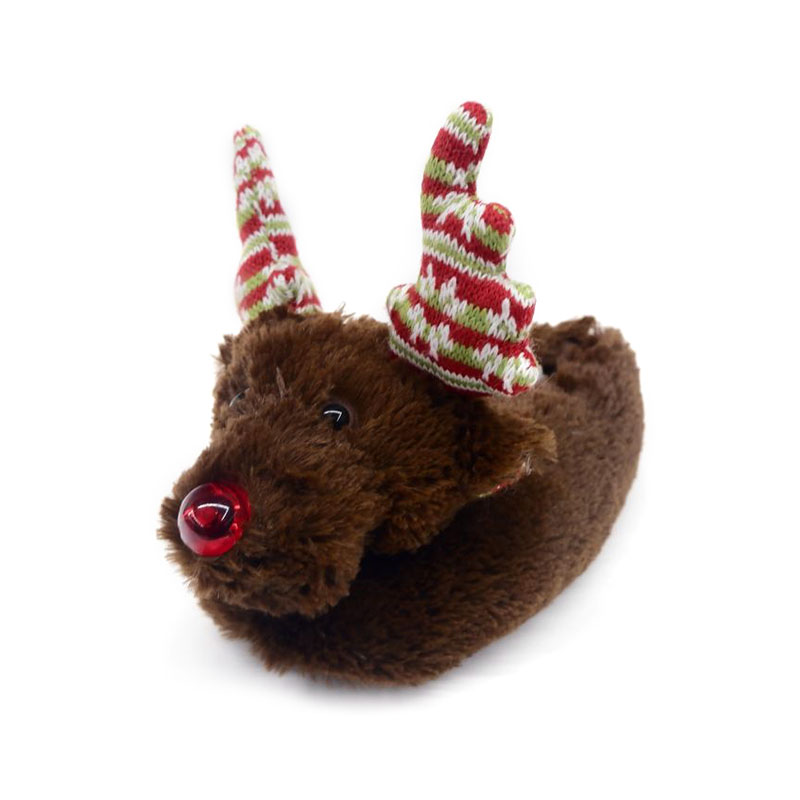
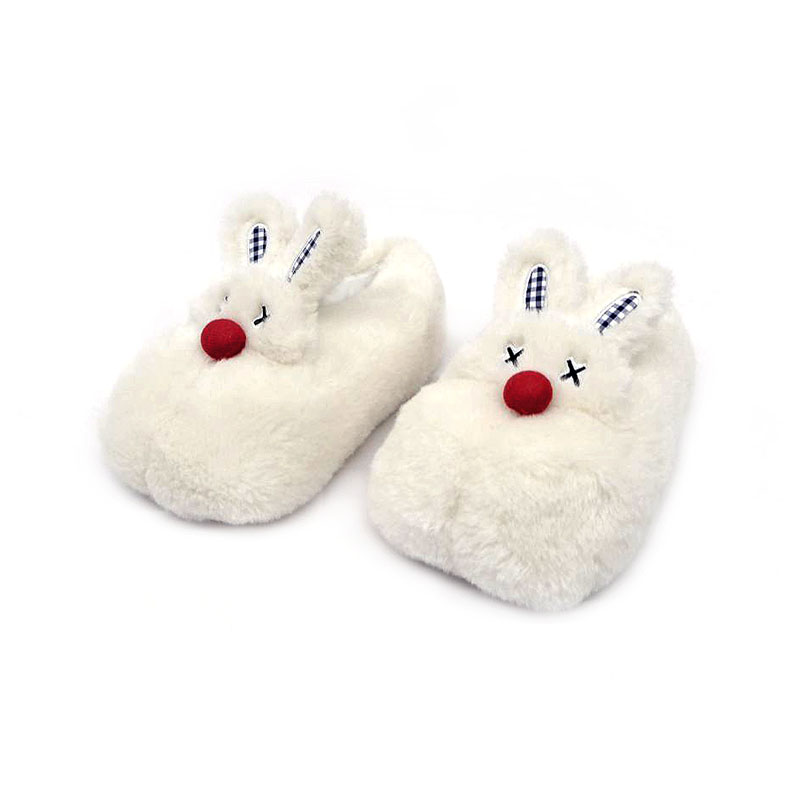
Use a plush animal platform to compare shapes. The women’s plush animal range is a sensible reference set for face placement, ear scale, and upper proportions; it also shows how the same animal language changes between children’s and women’s fits.
What the Cat Motif Changes — and What It Doesn’t
The cat face does not change the last, the sole bond, or the size run. It changes tooling, trimming, and quality control. Ears, muzzle, tail, embroidery, and eye placement are small components with real tolerance stacks. A cat design that looks charming on a flat sketch can become a production argument if the pattern does not say where the ears sit or how the nose is fixed.
“A cat face is an assembly, not a print. If ear height, eye spacing, and nose placement are not written down, every sample will be a slightly different cat — and every buyer will see it.”
Put the motif into the tech pack as a mini bill of materials:
- Pattern piece list for ears, muzzle, tail, and face panel.
- Ear attachment method, backing, and pull-test requirement.
- Embroidery registration and thread-color standard.
- Colorfastness and wash method for dyed pile and trims.
For lower-cost programs, a flat embroidered face is easier to repeat than a molded nose or layered ear. For higher perceived value, a sculpted ear and dense pile are stronger, but both need pull and wash tests. The cat can add character; it should not add an unseen failure point.
The Warmth and Washability Test
Warmth is not just pile height. It is a package of pile density, lining, breathability, fit, and drying behavior. A high-pile shoe can feel luxurious for twenty minutes and uncomfortable after a warm room, a long sit, or a first wash. This is why machine-washable plush animal designs deserve a place in the sourcing brief: if the care claim is vague, the customer experience will be vague too.
| Construction | Best use | Main sourcing risk |
|---|---|---|
| Closed-back plush bootie | Cold-season indoor wear and gifting | Heel collapse, slow drying, and crushed pile after washing |
| Open-back plush mule | Easy-on house shoe with a softer silhouette | Heel slip during stairs, weak back retention, and less warmth |
| Low-pile slip-on | Year-round indoor use and lighter markets | Thin sole feel, lower perceived value, and limited size tolerance |
 Women’s Winter Fuzzy Home SlippersPlush winter home slippers to assess for warmth, fit, drying behavior, and wash performance before committing to high-pile programs.View Product →
Winter fuzzy programs should be judged after a wash, not only after a hand feel. A high-pile upper can look generous on the table, then lose shape at the heel or dry slowly. Ask for a wash and dry trial, then check pile direction, seam puckering, and whether the lining still returns to its original position.
A Factory View: Where Animal Plush Sits in Production
For B2B teams, the supplier question is repeatability. A factory may be able to sew one cat ear; the real test is placing the same ear on five hundred pairs in three sizes and four colorways. The company profile behind this category is a Ningbo-area slipper factory established in 2001, with about 9,000 square meters, more than 200 staff, six production lines, and roughly four million pairs a year. It holds BSCI certification, accepts OEM and ODM work, and sits near Ningbo port.
Those facts describe capacity and export readiness, not a cat-specific catalog. The current animal range leans toward rabbit, alpaca, unicorn, flamingo, koala, and similar plush motifs. If cat is the hero design, the honest path is a development sample: confirm the face pattern, ear method, and size grading before a purchase order, rather than assuming an existing cat SKU can be copied into the line.
Sampling and QC: The Costs Hidden in Cute
Most surprises in this category are not design surprises; they are cost shifts after the first sample. The face may require hand trimming. The ears may need a backing layer that was not quoted. The pile may need directional cutting so the cat looks smooth rather than shaggy. None of these details should wait until bulk inspection.
- Pattern setup: confirm who owns the pattern and what a size change costs.
- Ear and tail assembly: define pull strength, stitch density, and trim allowance.
- Pile direction: test whether brushing and washing make the face look worn.
- Colorfastness: check dark ears, pink noses, and contrast trims against a white lining.
Build a year-round cat capsule
Cat slippers for women should not be a December-only item. A small capsule can run plush closed-back for winter, open-back terry for spring, and low-pile slip-on for year-round indoor wear. The lighter fashion end is useful for testing silhouette and color before committing to heavy pile.
 Women’s Fashion Shoes OEM/ODM RangeLeather, suede, and synthetic women’s styles in retro, casual, and business directions, useful for checking silhouette and color before heavier programs.View Product →
Keep the cat language consistent across the capsule, but change the body. A dense winter shoe and a light indoor shoe can share the same eye spacing and ear proportion without sharing the same last or outsole.
Procurement Risks and Lead-Time Questions
Price per pair is the wrong first question. The right first question is: which features are fixed, and which can change without a new mold, a new pattern, or a new test? Ask for a sample cost breakdown before approving the first round. That breakdown should separate the base shoe, the cat face, the ear assembly, embroidery, packaging, and testing.
Useful questions for a cat slipper program:
- Is the face cut-and-sewn, embroidered, or printed? If cut, how is edge fraying controlled after washing?
- What is the ear attachment method, and what pull force has it passed?
- Can the lining be changed without changing the outsole and last?
- Which sizes share a last, and where does the grading step start?
- What wash recommendation and drying method were actually tested?
Lead time should include pattern making, first samples, fit revisions, bulk materials, and a wash trial. A fast quote that skips the sampling cycle is not a faster order; it only moves the delay into inspection.
The Buying Decision
Cat slippers for women sell on emotion, but they stay in the rotation on fit and care. The durable formula is straightforward: start with a stable last and outsole, specify the cat face as a small assembly, test one wash, and price the changeover before scaling. The motif should be the last thing a buyer falls in love with — and the first thing a factory can repeat.
If the program is seasonal, narrow the first order to one strong body shape and two colorways. If it is year-round, build the capsule around three constructions: warm closed-back, light open-back, and easy slip-on. In either case, ask the sample room to show the same cat proportion in every size before the purchase order.