 English
 русский
Kids Footwear — A Buying and Care Guide
Cotton Slippers for Kids: What Actually Matters Before You Buy
Breathability, grip, growing room and a design a child will actually keep on — a practical guide written from inside a slipper factory, for the parents and buyers who live with the result.
Every parent recognizes the pair: irresistibly cute in the box, worn for exactly one afternoon, then abandoned at the bottom of the shoe rack because the lining made small feet sweat or the sole skidded across the hallway floor. The fault is rarely the design. It is almost always one of three construction details that never made it into the product photo.
The cotton slippers for kids that survive a full season in a busy household share four traits: a cotton-rich lining that manages moisture, a textured sole that grips hard floors, a covered heel that keeps the slipper attached during play, and a character or color the child helped choose. Get those four right and the fun extras — ears, tails, claws — become a bonus instead of a bribe. Get them wrong and even the most convincing unicorn ends up unworn.
Why Cotton Earns Its Place on Small Feet
For anything that touches a child's skin, cotton is the sensible default, and slippers are no exception. Children's feet perspire heavily for their size, they spend more hours in indoor footwear than adults do, and young skin is quick to complain about trapped humidity. Cotton fibers absorb that moisture and release it back into the air, which is why a cotton or cotton-blend terry lining feels dry again by morning while fully synthetic fleece can stay clammy for days and start to smell.
The trade-off is warmth. Cotton on its own breathes rather than insulates, so the best winter pairs combine a cotton or cotton-blend inner lining with a brushed or plush outer layer — moisture control where it matters, loft where the cold comes in. Some festive children's styles go further and use brushed pile fabrics that add warmth without bulk.
Parents judge slippers by the face on the front. Children judge them by the seams inside and the grip underneath. Design sells a pair once; construction wears it for a season.
Five Checks Before You Buy
Fit and sole quality decide whether a pair gets worn at all, so run these five checks before falling for the design.
- Growing room. Leave about 0.5–1 cm between the longest toe and the tip of the slipper. Much more and a child trips; any less and the pair is outgrown within a school term.
- A covered heel. Closed-back slippers stay on through games and staircases. Backless slides are convenient for quick trips but come off exactly when a four-year-old is running somewhere urgent.
- Sole grip. Look for a textured rubber or TPR outsole with visible tread. Press it with a thumbnail — it should spring back, not feel like hard plastic.
- Flex at the ball of the foot. Bend the sole; it should give where a foot naturally bends. A stiff sole fights a child's gait and gets kicked off.
- Lining and seams. Run a hand inside. You want cotton-rich terry, flat internal seams and no scratchy label at the heel — details a child feels but cannot articulate.
How the Main Constructions Compare
| Type | Warmth | Stays on during play | Best season | Care |
|---|---|---|---|---|
| Closed-back cotton slipper | Moderate | Yes | Spring to autumn | Gentle machine cycle |
| Plush animal slipper | High | Mostly | Winter | Gentle cycle, air dry |
| Boot-style slipper | Highest | Yes | Deep winter | Gentle cycle, air dry |
| Festive character slipper | Moderate to high | Varies | Holiday season | Follow the care label |
Designs Children Actually Keep On
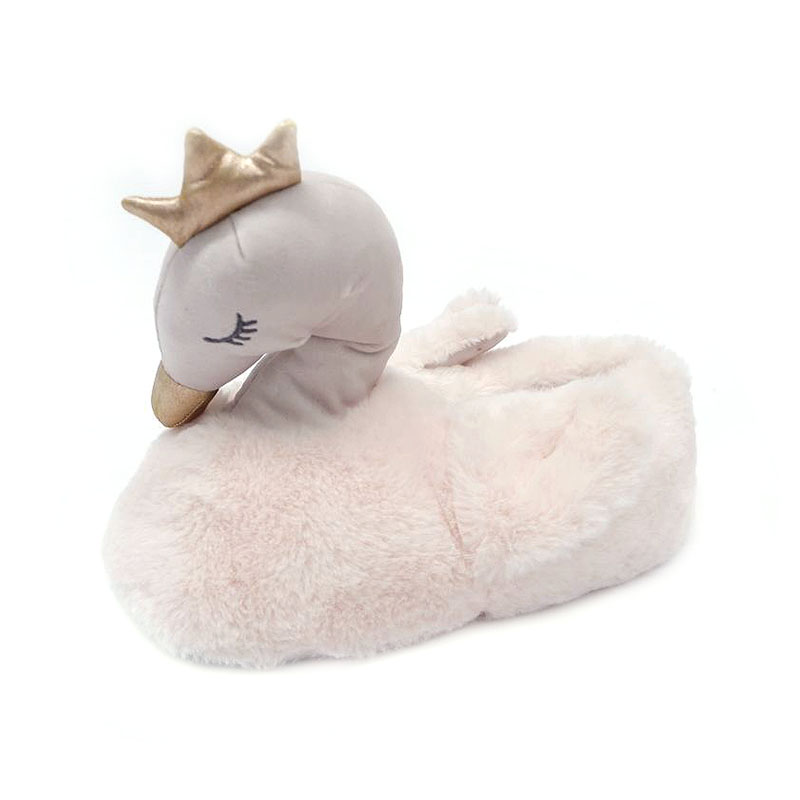
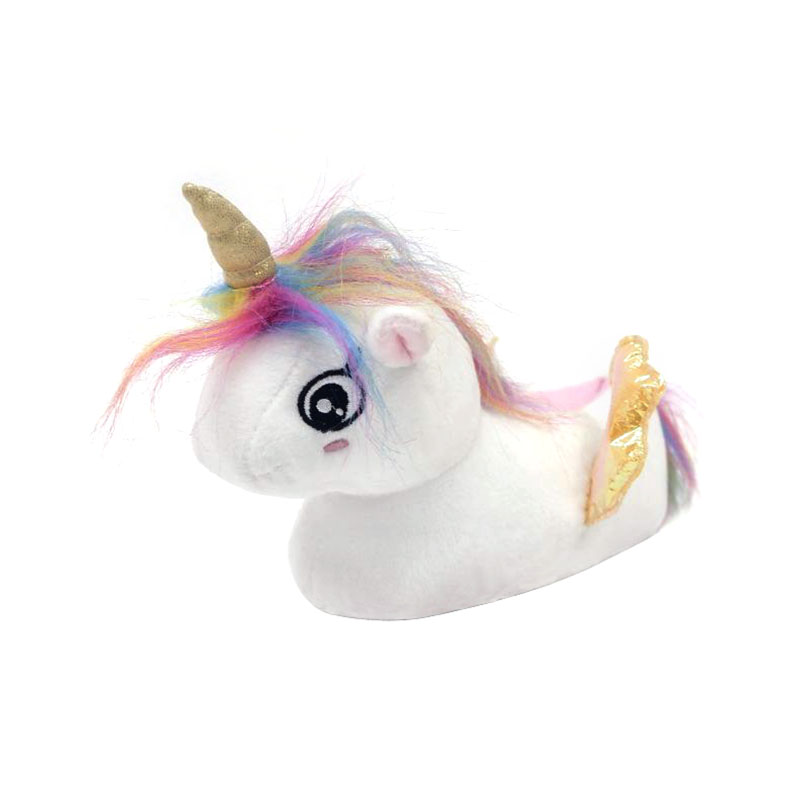
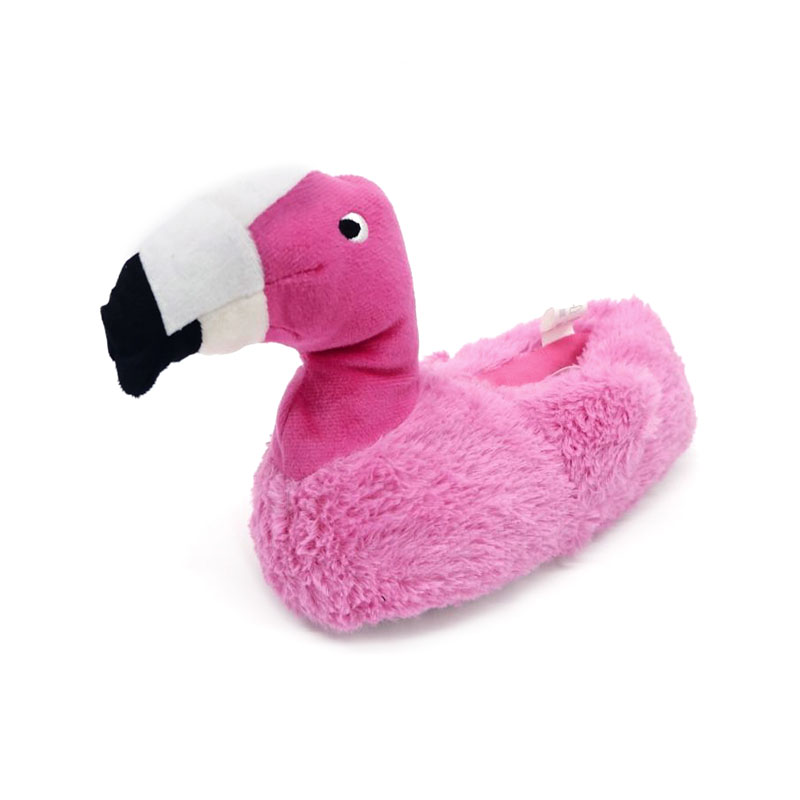
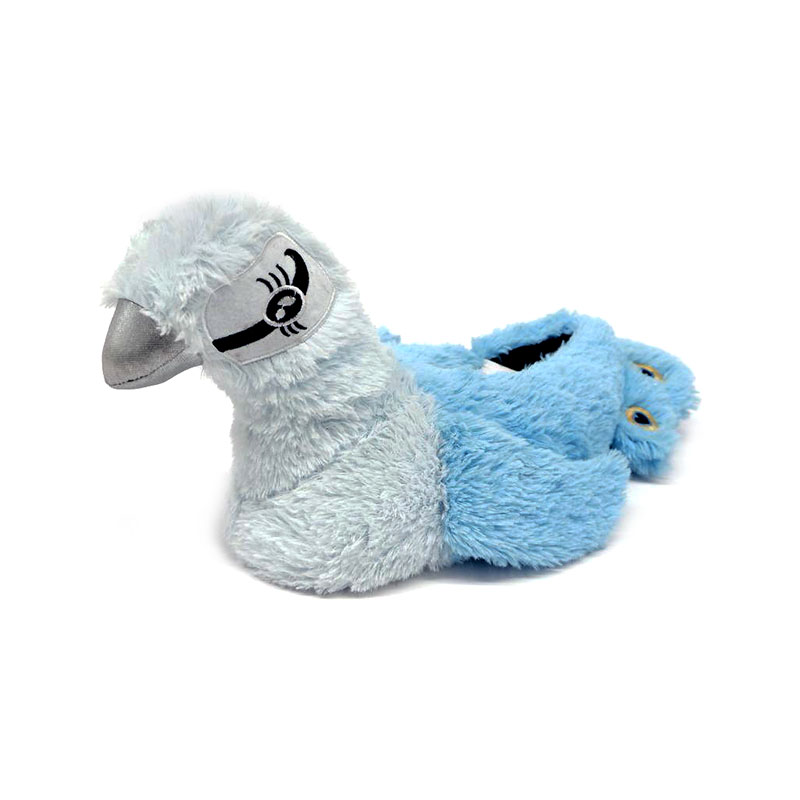
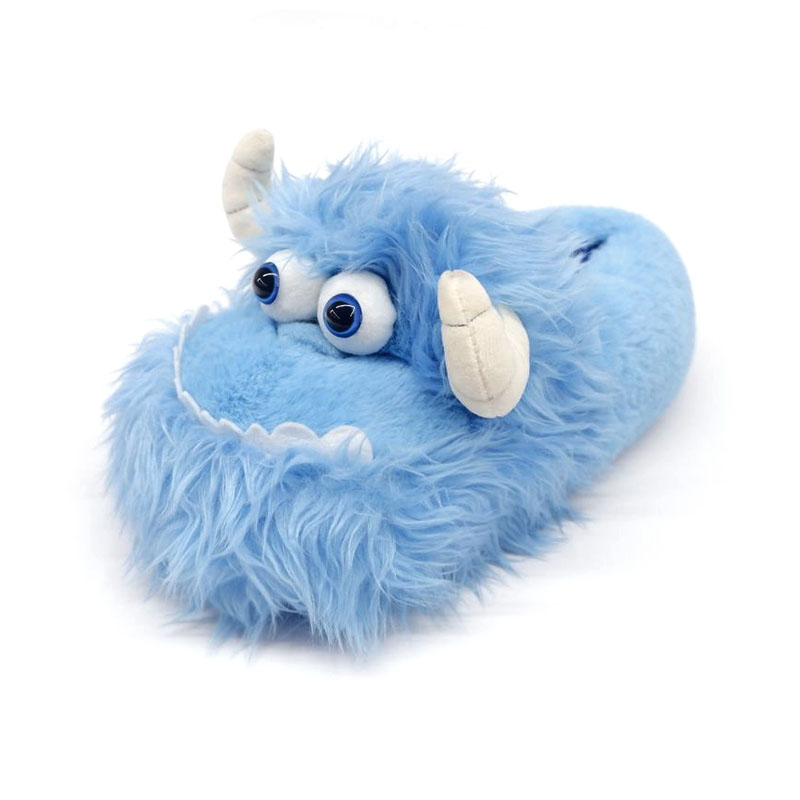
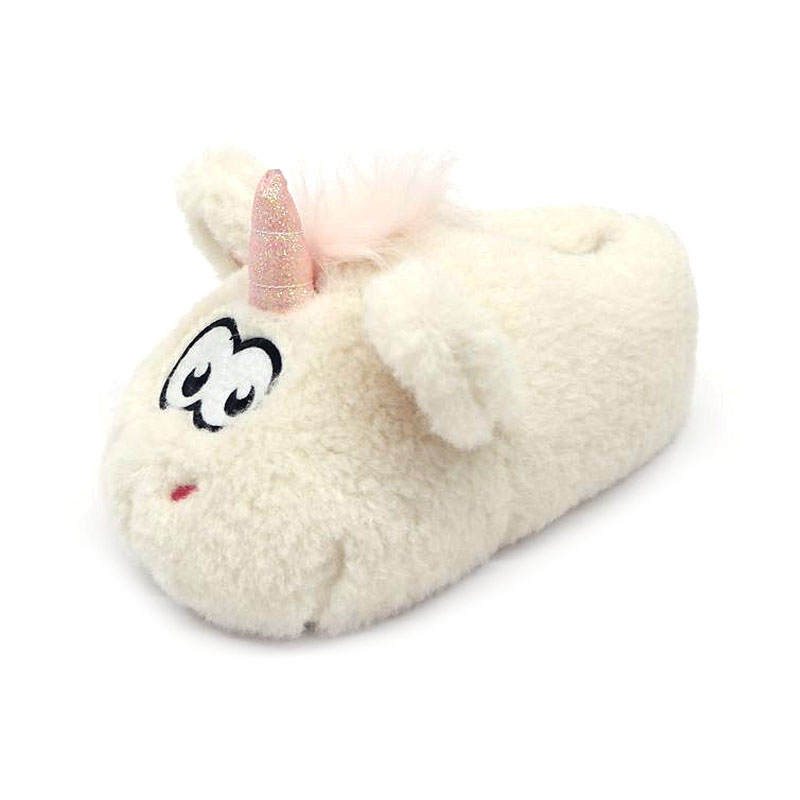
Ask what keeps slippers on a child and the honest answer is not elastic — it is enthusiasm. Animal designs work because they turn footwear into play: paws to roar with, claws to stomp in, a unicorn that comes along on the child's terms. A child who loves the pair wears it, and a child who wears it is a child you are not chasing around the living room every morning.
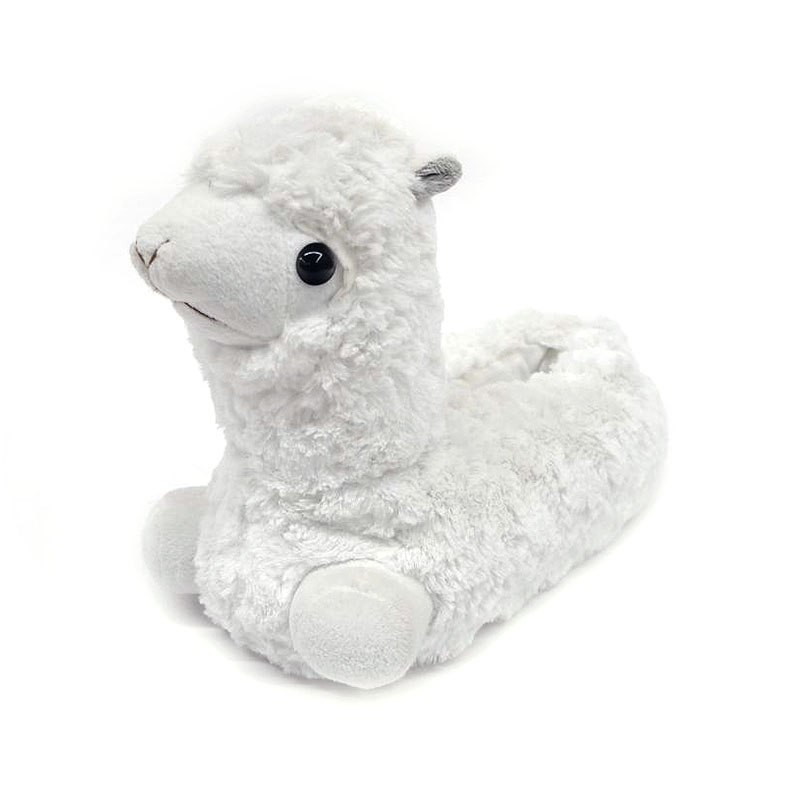
A design-led pick that still sits on a closed, secure base is the colorful alpacas pair — a playful silhouette built on a practical slipper shape, which is exactly the combination worth shopping for.
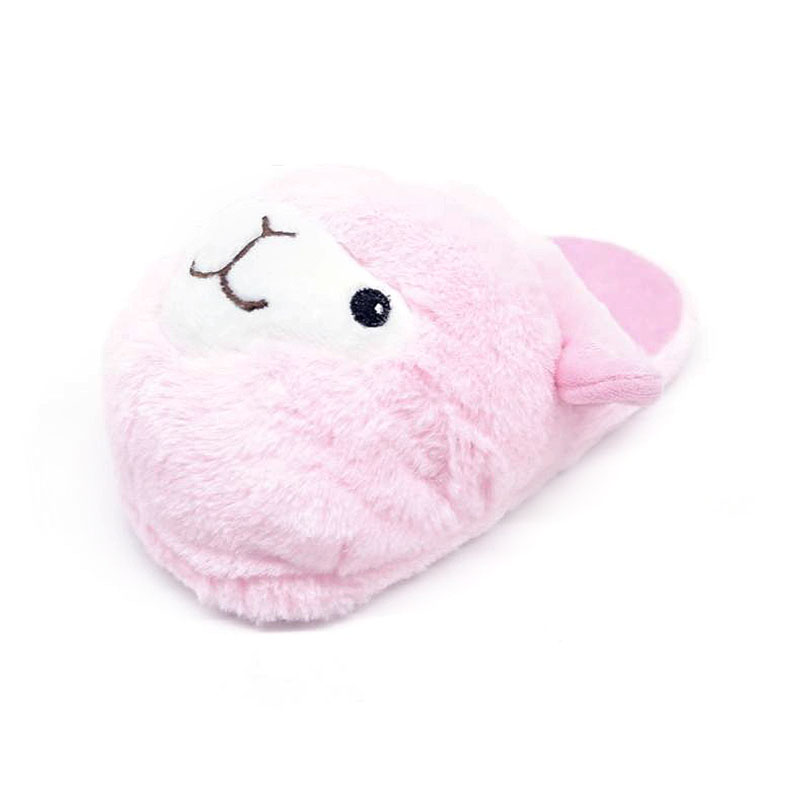 Colorful Alpacas Kids' Slippers with Closed Secure BaseA playful alpaca design built on a closed, secure slipper base, combining a fun cartoon silhouette with the practical shape parents look for in children's winter slippers.View Product →
Construction still matters underneath the character. The 3D details — ears, snouts, claws — take the most abuse, so check that they are stitched rather than glued, and look for reinforcement around the toe, because children drag their toes with impressive consistency. Boot-style designs earn their keep here: ankle coverage keeps the slipper anchored through a whole afternoon of play, which is why claw-boot styles have become a winter staple.
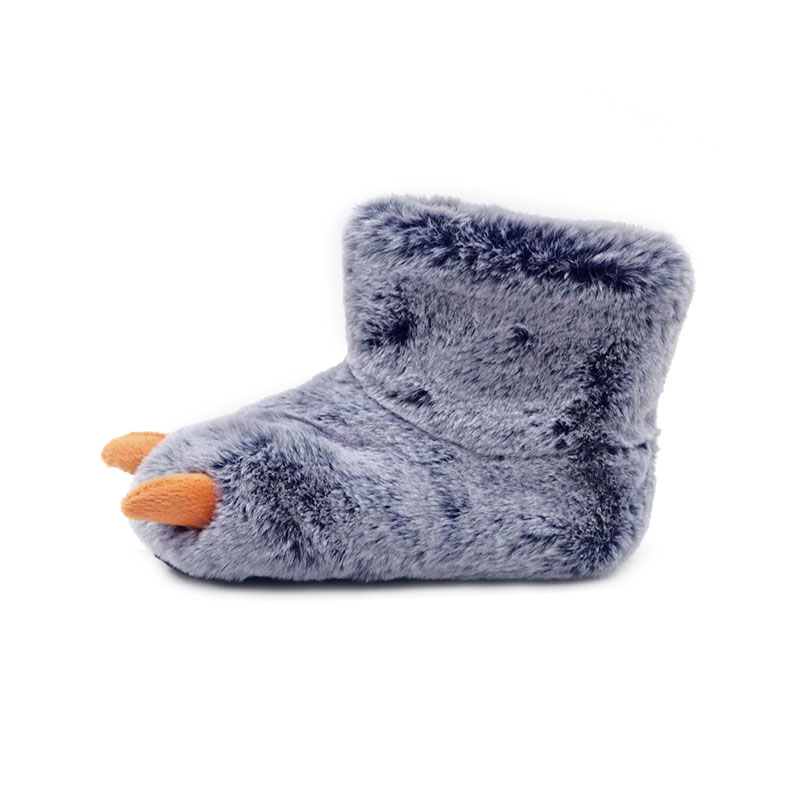 Dinosaur Claw Boot Slippers with Ankle CoverageA boot-style plush slipper with claw details and ankle coverage that keeps it anchored through active play, plus stitched 3D features that hold up to daily wear.View Product →
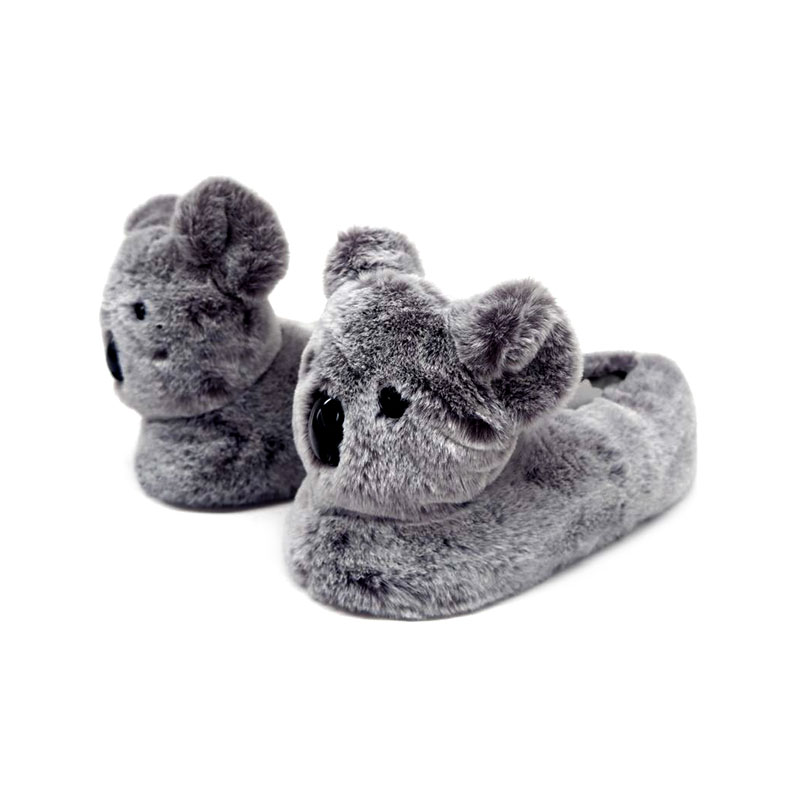
Between the two sits the closed-back plush animal slipper — more structure than a slide, less commitment than a boot — and it remains the workhorse silhouette of the category.
Washing, Drying and Knowing When to Let Go
Most children's cotton slippers survive the washing machine; the drying is what ruins them. Wash on a gentle, low-temperature cycle inside a mesh bag with mild detergent, reshape the lining by hand while the pair is still damp, then air-dry away from radiators and direct sunlight. Heat is what flattens pile, hardens glue and warps soles, and patience costs nothing.
Between washes, air the pair overnight rather than reaching for stronger detergent — harsh washing ages fabrics faster than wear does. If you are weighing machine washing for plush animal designs in particular, our note on whether plush animal designs are machine-washable covers hygiene and what holds up over repeated cycles.
Winter Warmth and the Christmas Window
Buy warm slippers early in autumn, because collections thin out as winter progresses and the size needed in November is rarely the size needed in September. Apply the same 0.5–1 cm growing-room rule and resist sizing up two full sizes for the season — oversized slippers trip more than they protect.
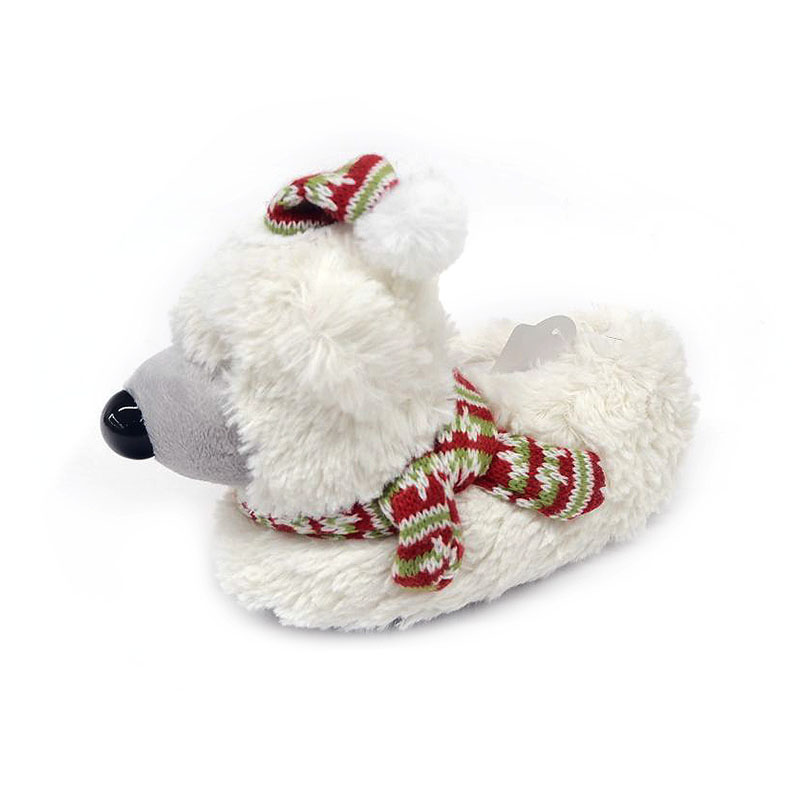
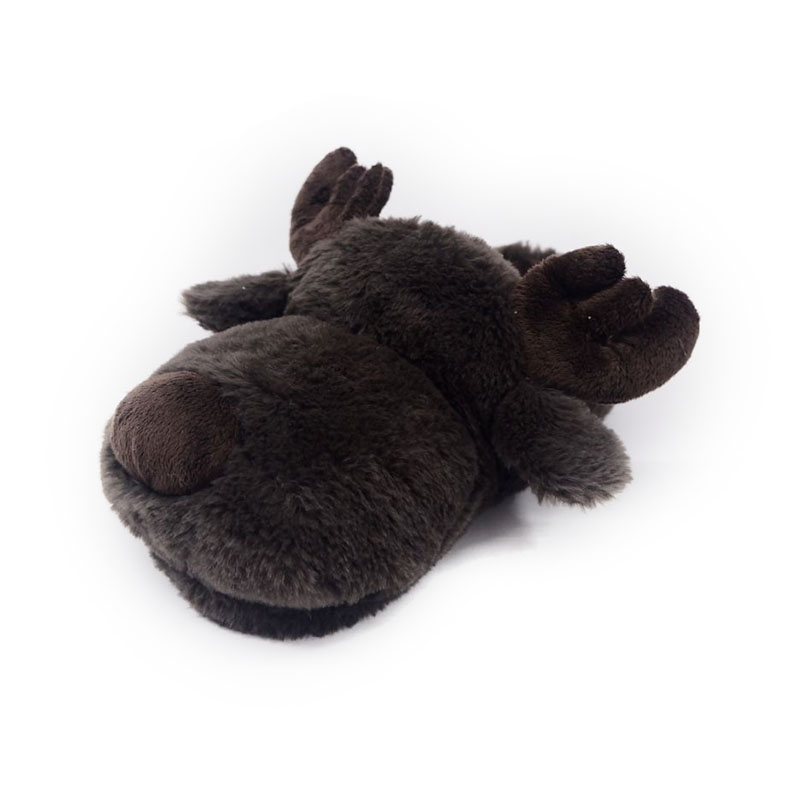
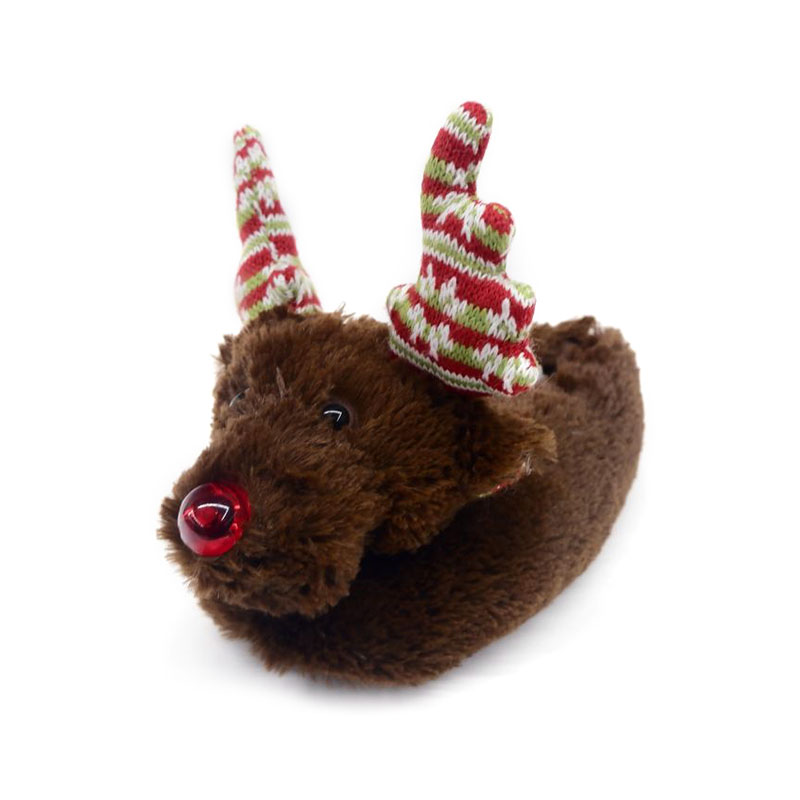
Festive pairs earn their place more than parents expect. An elk or a bear reads as a winter animal rather than a strictly December one, so the slippers keep working through January and February, and as stocking fillers or family-photo props they are hard to beat.
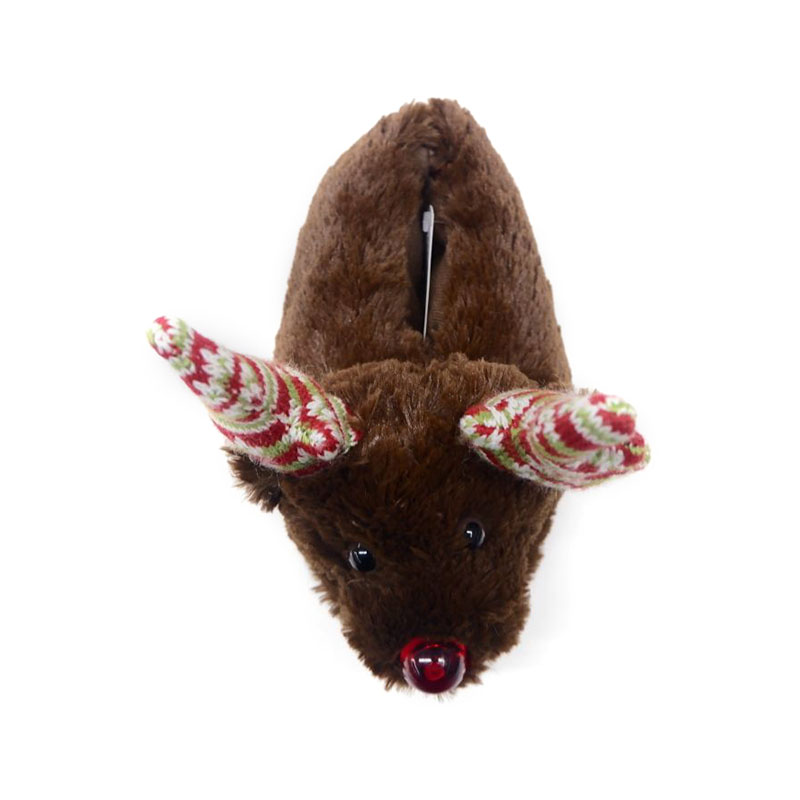 Brown Christmas Elk Faux Fur Children's SlippersA soft cotton faux fur slipper in an elk design that reads as a winter animal beyond the holidays, ideal as a gift, stocking filler, or cozy indoor pair.View Product →
For warmth, judge fabric construction rather than thickness alone: brushed pile linings trap air without bulk, which is why they keep appearing in dedicated children's winter designs.
A Short Note for Retail Buyers
For retailers and brands, children's slippers are a repeat-purchase category: feet grow, seasons turn and characters rotate. The questions worth asking a manufacturer are consistency questions — whether sizing runs hold across batches, how soles are tested for grip, what the stitching tolerance is on 3D decorations, and how quickly a refreshed character range moves from sketch to sample to shelf.
Those are the questions we hear most often in autumn. As a slipper factory in Cixi, near Ningbo Port, we run OEM and ODM programs alongside our own lines, with BSCI-certified production and testing to international standards behind it — the unglamorous part of the job that decides whether a charming pair also survives real children.
The Short Version
The best cotton slippers for kids are unglamorous details done well — a lining that dries overnight, a textured sole that respects hardwood floors, seams a child cannot feel, and a design the child picked. Design gets a pair worn; construction keeps it worn.
Choose the character with your child, check the boring parts yourself, and the pair you bring home will still be in rotation long after the wrapping paper is gone.