 English
 русский
Foot Health — Comfort Study
Animal Slippers vs Memory Foam:
The Real Arch Support Verdict
A closer look at contouring, pressure distribution, and what your feet actually feel after a long day.
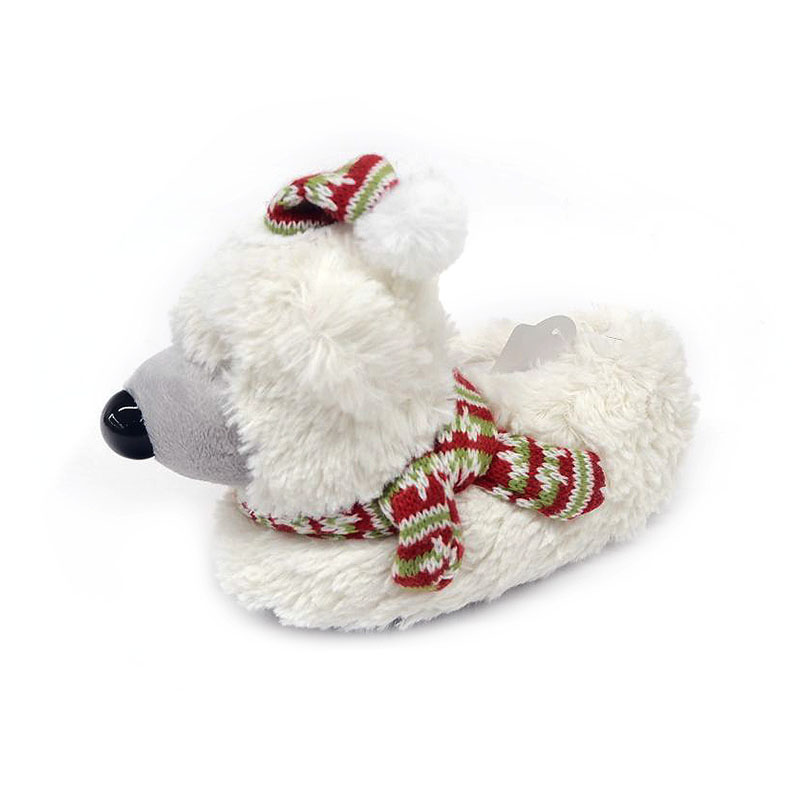
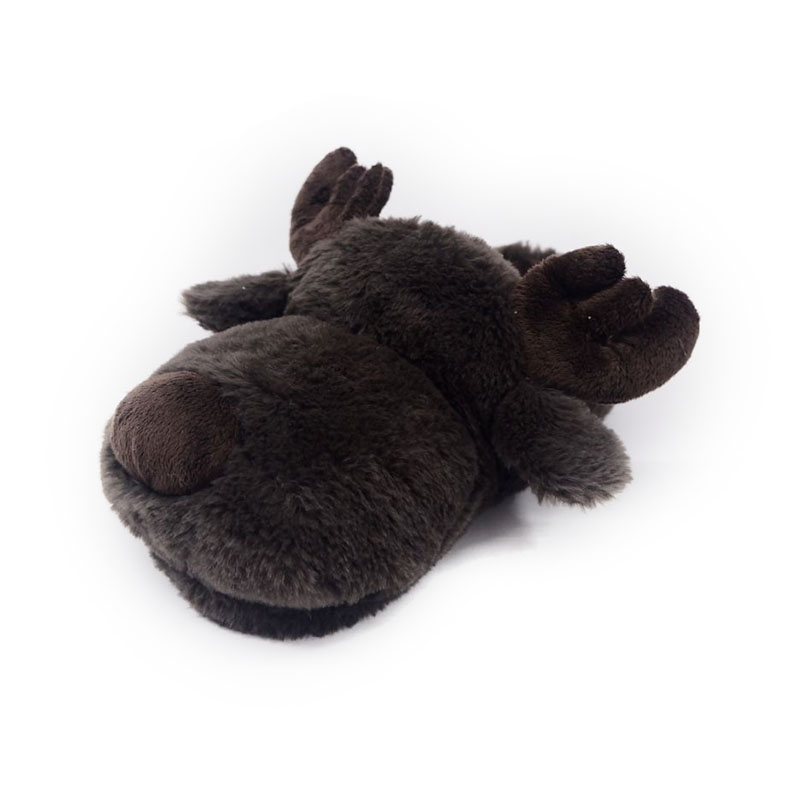
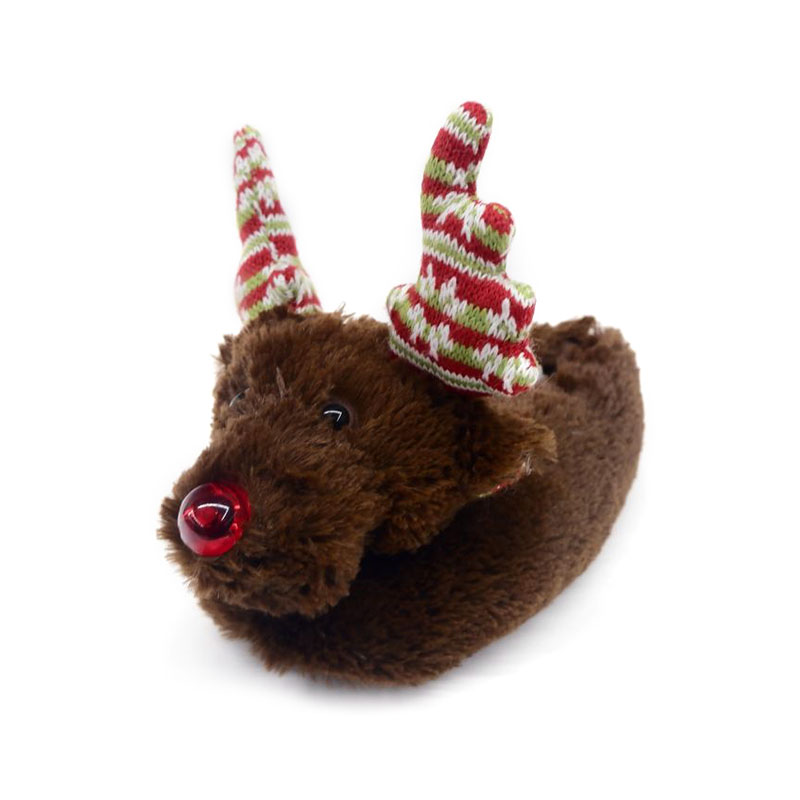
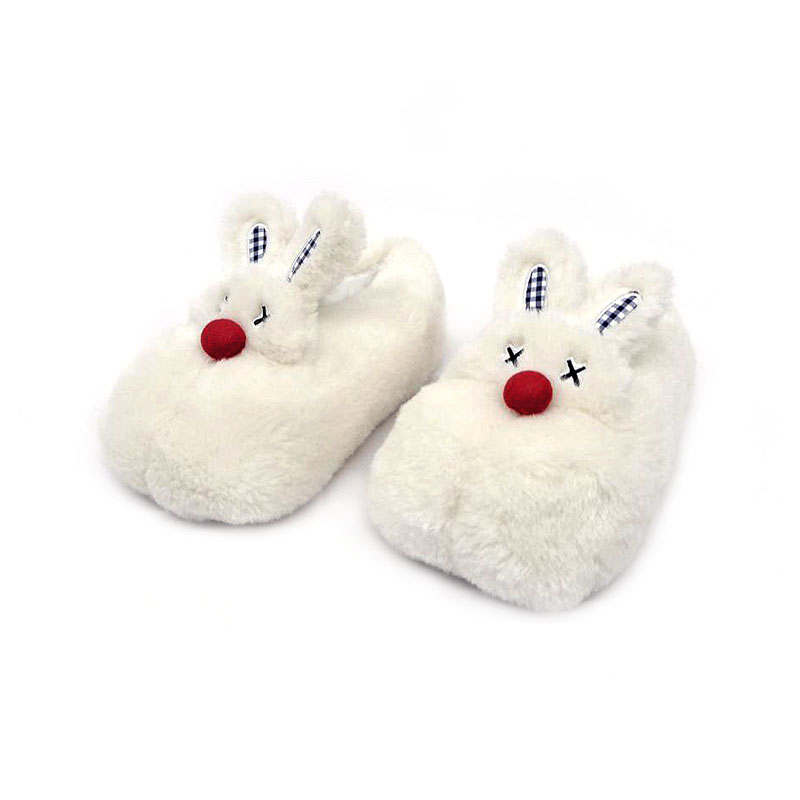
In most cases, memory foam slippers provide better targeted arch support than Animal slippers, primarily because memory foam is engineered specifically to contour to the foot's pressure points, while animal-themed designs generally prioritize novelty aesthetics and warmth over orthopedic structure. Memory foam compresses under body weight and slowly returns to shape, creating a customized cradle beneath the arch that distributes pressure evenly across the foot. Animal slippers, particularly one piece slippers designed with a single continuous sole and plush upper, typically use standard flat foam or basic cushioning that lacks this contouring property.
That said, the comparison is not entirely one-sided. Some higher-quality animal slippers for women now incorporate contoured insoles or removable arch-supporting footbeds, narrowing the gap considerably. This article examines exactly where memory foam excels, where animal-themed designs can still compete, and what shoppers should look for if arch support is a top priority.
How Memory Foam Achieves Superior Arch Contouring
Memory foam is a viscoelastic material originally developed for pressure redistribution in medical and aerospace applications. When body weight is applied, the foam softens in response to heat and pressure, molding itself around the unique curvature of each foot. This creates a supportive pocket specifically beneath the arch, which helps reduce strain on the plantar fascia during standing or walking.
This contouring effect is measurable. Independent footwear studies have found that memory foam insoles can reduce peak plantar pressure by 15 to 20 percent compared to standard flat foam soles. For individuals who spend long hours on their feet indoors, or those recovering from mild foot fatigue, this pressure reduction can translate into noticeably less discomfort by the end of the day.
Why Standard Slipper Foam Falls Short
Most Animal slippers, especially budget-friendly one piece slippers constructed as a single molded unit, use polyurethane foam or basic EVA foam rather than true memory foam. These materials are lightweight and provide adequate cushioning, but they lack the slow-recovery, pressure-mapping properties that make memory foam effective for arch support specifically.
Memory foam doesn't just cushion the foot — it maps it, adapting in real time to where pressure actually falls.
Where Animal Slippers Still Hold an Advantage
Despite the arch support gap, animal slippers for women are not without merit in the comfort category. Many designs compensate with thicker overall padding, which can provide a general sense of cushioned softness underfoot, even if it does not specifically target the arch. This broad, even cushioning can feel more comfortable to people who dislike the firmer, denser feel of compressed memory foam.
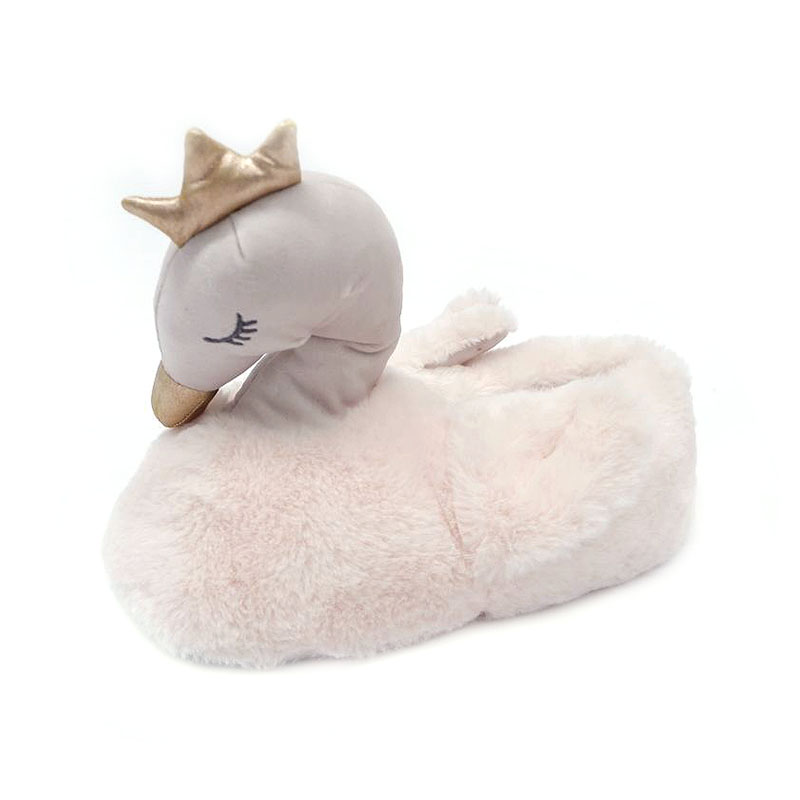
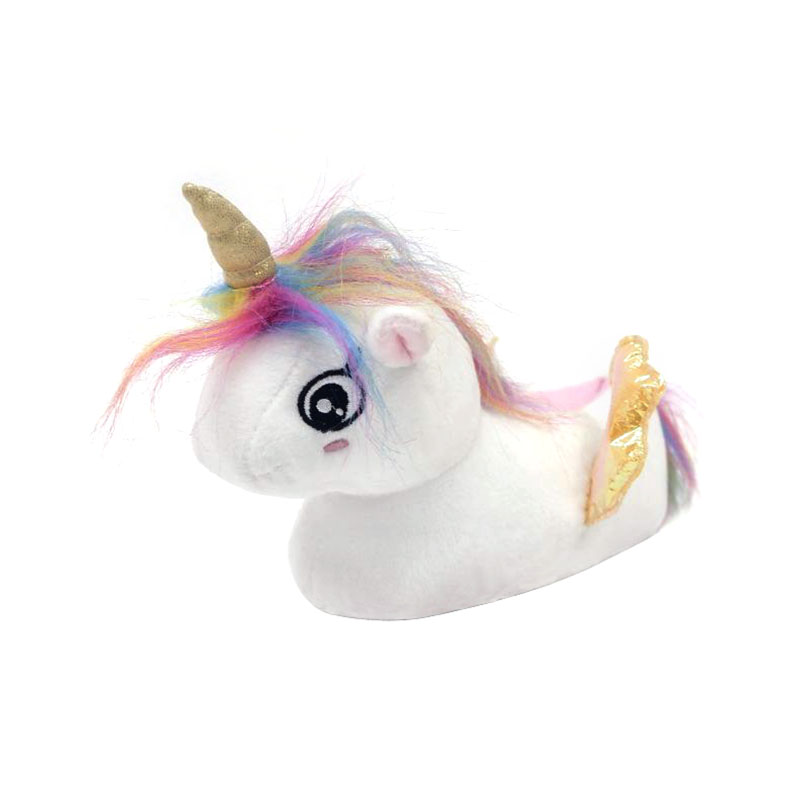
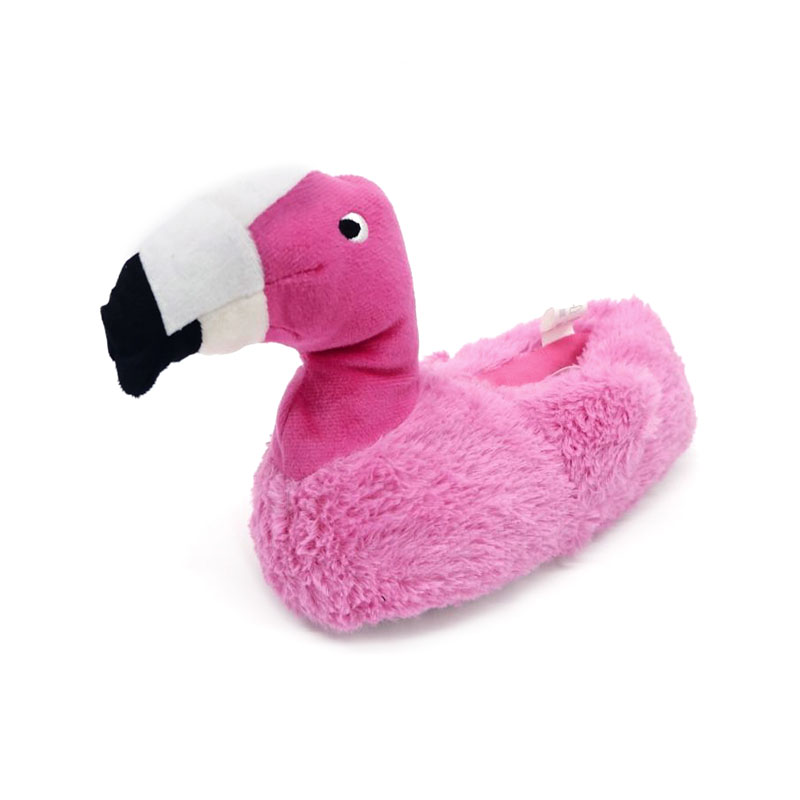
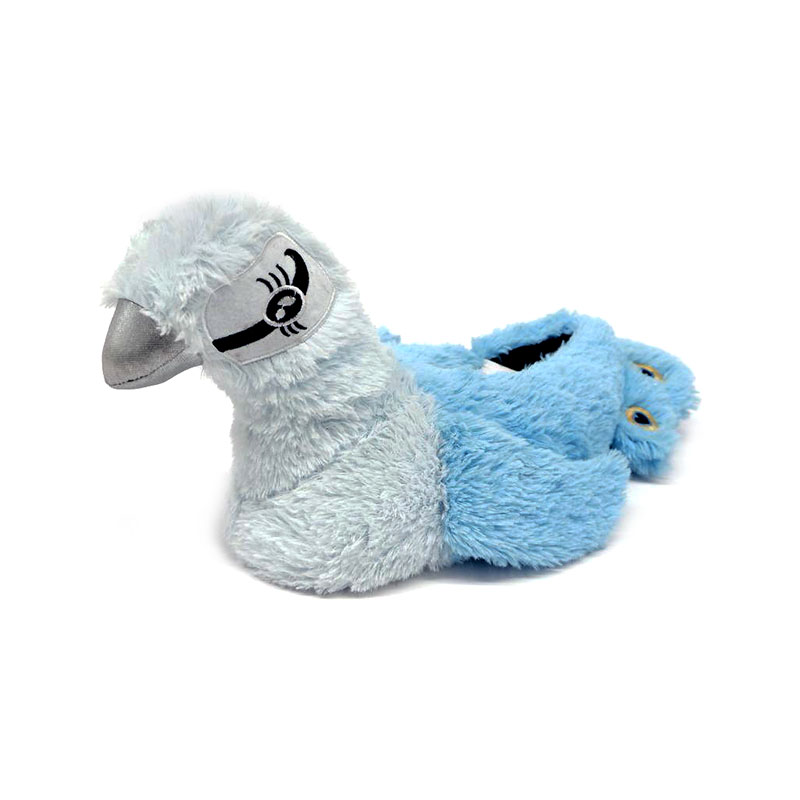
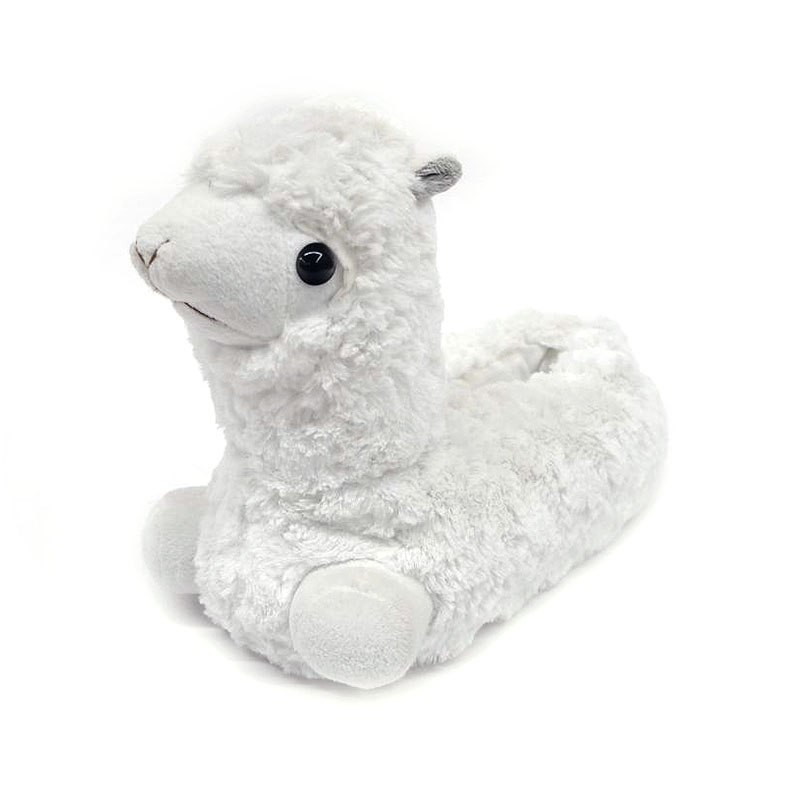
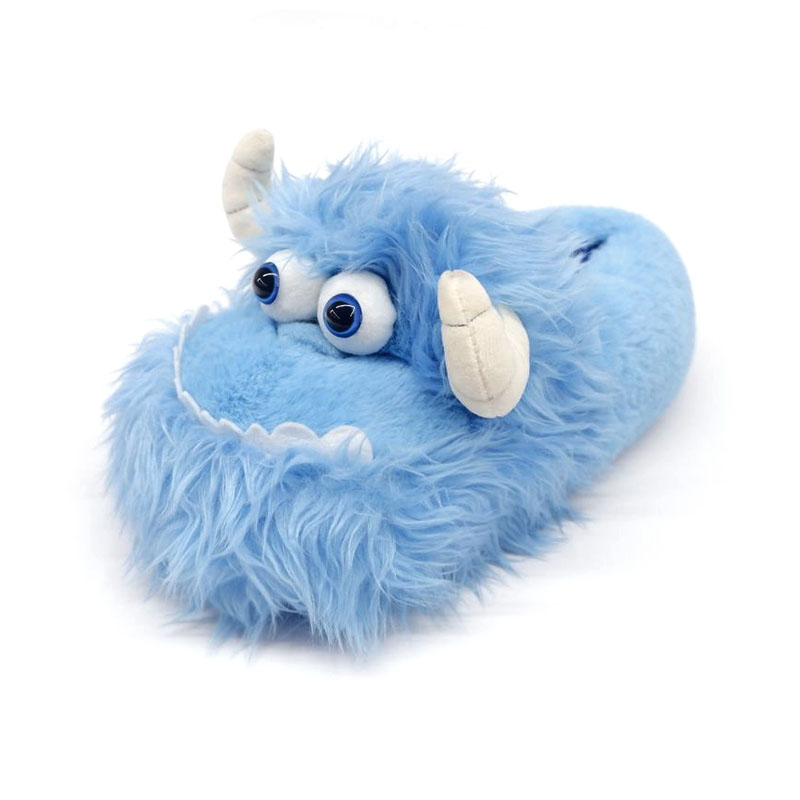
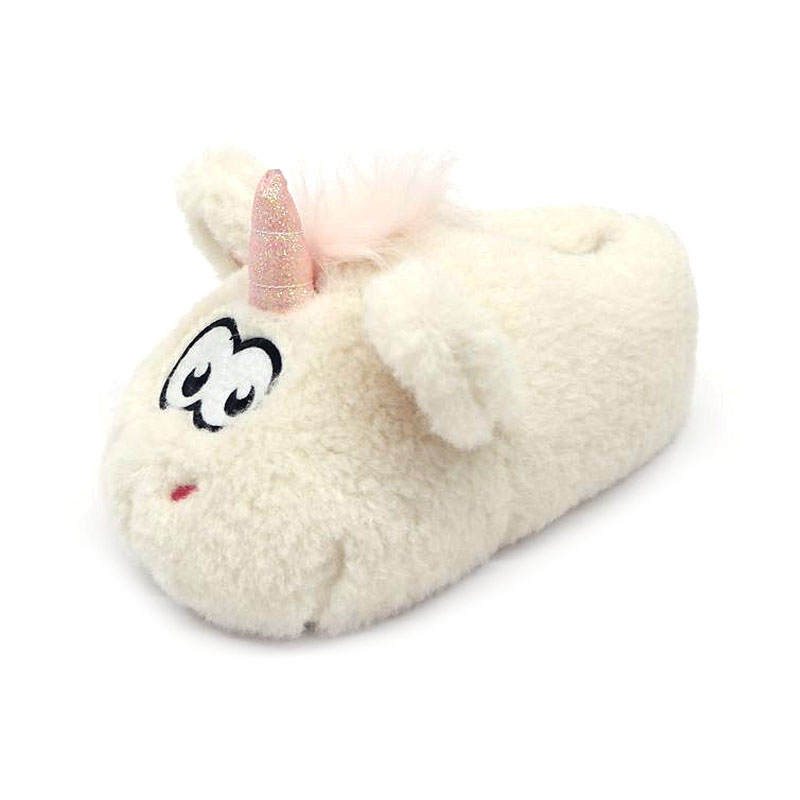
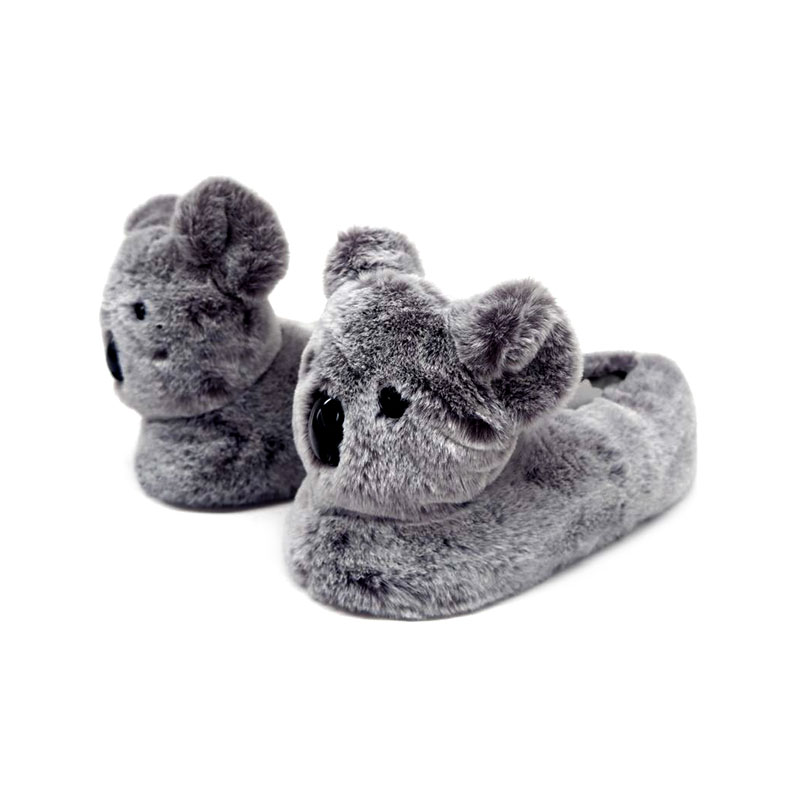
Animal slippers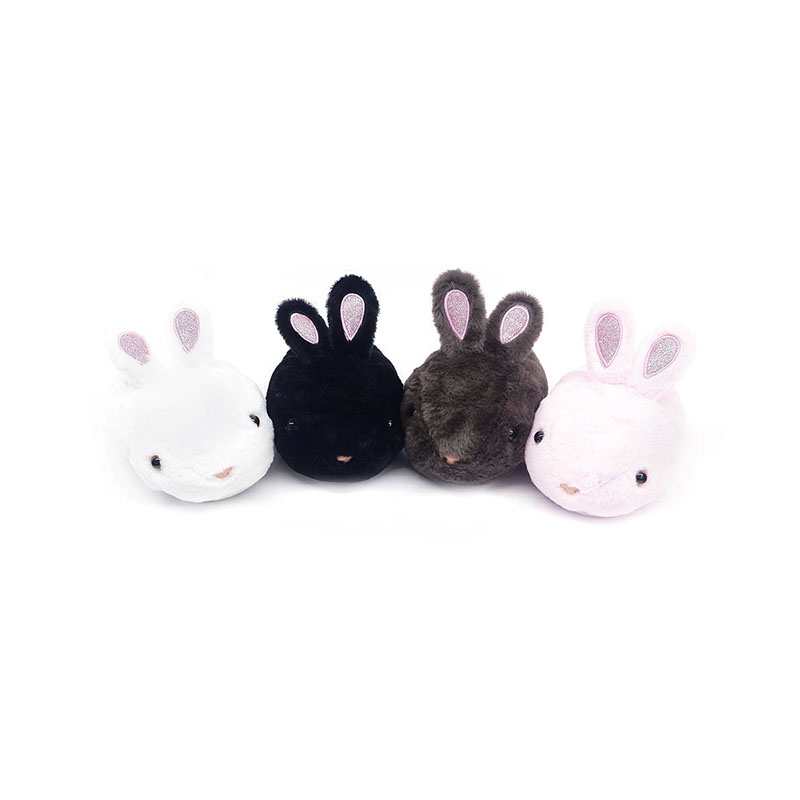
The one piece slippers construction style, where the sole and upper are formed as a single unit, often results in a wider, more stable base. This stability can indirectly support the arch by preventing the foot from rolling inward or outward, a factor that contributes to arch strain even when the insole itself lacks contouring.
Warmth and Comfort as a Secondary Support Factor
Cold feet can cause muscles in the arch and heel to tense, which sometimes increases the perception of foot fatigue. Animal slippers, with their thick plush lining and enclosed design, tend to retain more heat than typical memory foam slippers, which often use thinner, breathable liners. This warmth can create a relaxed sensation that some users interpret as comfort, even though it is not technically arch support.
Comparing Support Features Side by Side
To make an informed decision, it helps to compare the two categories across the specific features that influence arch support and overall foot comfort.
| Support Feature | Animal Slippers | Memory Foam Slippers |
|---|---|---|
| Arch Contouring | Low to Moderate | High |
| Pressure Redistribution | Basic | Advanced |
| Base Stability | High (one piece design) | Moderate |
| Warmth Retention | High | Moderate |
| Recovery Speed After Compression | Fast | Slow (contouring benefit) |
Who Should Prioritize Memory Foam Slippers
Individuals with existing foot conditions such as plantar fasciitis, flat feet, or high arches typically benefit more from memory foam slippers because of their pressure-mapping properties. People who stand for extended periods at home, such as those cooking, cleaning, or working from a home office, may also notice reduced foot fatigue with memory foam over standard slipper padding.
Info
Podiatric comfort research generally recommends memory foam or similarly contoured insoles for anyone experiencing chronic arch discomfort, since the material actively adapts to reduce concentrated pressure points rather than simply providing uniform cushioning.
Who Might Prefer Animal Slippers Instead
For people without specific arch-related foot issues, animal slippers for women can be a perfectly comfortable choice, especially when warmth, softness, and a fun aesthetic are higher priorities than clinical-level support. Those who find memory foam too firm or slow to respond may also prefer the springier, quicker-rebounding feel of standard slipper foam found in most animal-themed designs.
The one piece slippers format in particular appeals to shoppers who want an easy slip-on design without seams or separate insole pieces that can shift out of place over time. This construction style tends to be more durable for casual, everyday indoor wear, even if it does not match the targeted arch support of memory foam.
Improving Arch Support in Animal Slippers
Shoppers who love the look and warmth of animal-themed designs but still want better arch support have a few practical options to bridge the gap without giving up their preferred style.
- Insert a removable memory foam insole into the animal slipper if the design allows for it.
- Choose animal slippers for women that specifically advertise a contoured or arch-supportive footbed.
- Look for one piece slippers with a slightly raised center sole rather than a completely flat base.
- Pair thin arch-support insoles designed for slip-on shoes with your favorite animal design.
- Replace worn-out foam periodically, since even supportive foam loses its contouring ability after extended use.
Success
These adjustments allow shoppers to enjoy the comfort and personality of animal-themed footwear while still addressing arch-related discomfort more effectively.
Long-Term Comfort Considerations
Over time, foam density affects how well any slipper maintains its supportive properties. Memory foam, when it is genuine high-density foam, generally retains its shape and support characteristics for six months to a year of regular use before needing replacement. Standard foam used in most animal slippers may compress permanently within three to six months, especially with daily wear.
Warning
Even if an animal slipper feels comfortable when new, its arch support, if present at all, may diminish faster than that of a memory foam alternative. Regularly checking the insole for flattening or thinning is essential for continued comfort.
Final Takeaway for Shoppers
When arch support is the deciding factor, memory foam slippers generally outperform Animal slippers due to their pressure-adaptive material and clinically supportive design. However, animal slippers for women, particularly well-made one piece slippers, can still offer solid comfort, stability, and warmth for everyday indoor use, especially for those without specific arch-related concerns.
The best choice ultimately depends on individual foot needs. Those managing arch discomfort should lean toward memory foam or supportive insoles, while those prioritizing style, warmth, and a fun aesthetic can confidently choose animal-themed designs, with the option to upgrade the insole later if additional support becomes necessary.
Danger
Anyone with diagnosed plantar fasciitis or persistent arch pain should avoid relying on decorative or novelty slippers as a sole solution and consult a podiatrist for proper orthotic guidance.