 English
 русский
Home & Comfort Edition
Do Indoor Slippers Dry Faster Than Cotton Bootie Slippers?
A material-by-material look at what really happens after the wash cycle — and which style earns its place back on your feet first.
The Direct Answer
Yes — in most cases, Indoor Slippers dry significantly faster than Cotton Bootie Slippers after being washed. The difference comes down to material density, fabric structure, and how each style handles moisture. Indoor Slippers made with synthetic blends, terry cloth, or open-cell foam soles typically dry within four to eight hours at room temperature. Cotton Bootie Slippers, especially those with thick quilted linings, can take twelve to twenty-four hours or longer to fully dry.
If you're choosing footwear based on how quickly it recovers after laundering, Indoor Slippers offer a clear practical advantage. But drying speed is only one part of the story — warmth, support, and cushioning still matter, and the right choice depends on how you actually live in your home.
Why Material Composition Changes Everything
The core reason Indoor Slippers dry faster comes down to fiber absorbency and construction density. Cotton is a natural fiber prized for softness and absorption — wonderful for comfort, poor for quick recovery. Cotton Bootie Slippers often layer cotton batting or quilted padding for warmth, and that padding traps water deep within the fabric, blocking the airflow needed for evaporation.
Synthetic Blends and Open-Cell Foam
Many Indoor Slippers use polyester microfiber uppers, synthetic terry loops, or open-cell memory foam soles. These materials hold less water per fiber strand than cotton and move moisture to the surface more efficiently — cutting drying time by roughly half compared to dense cotton alternatives.
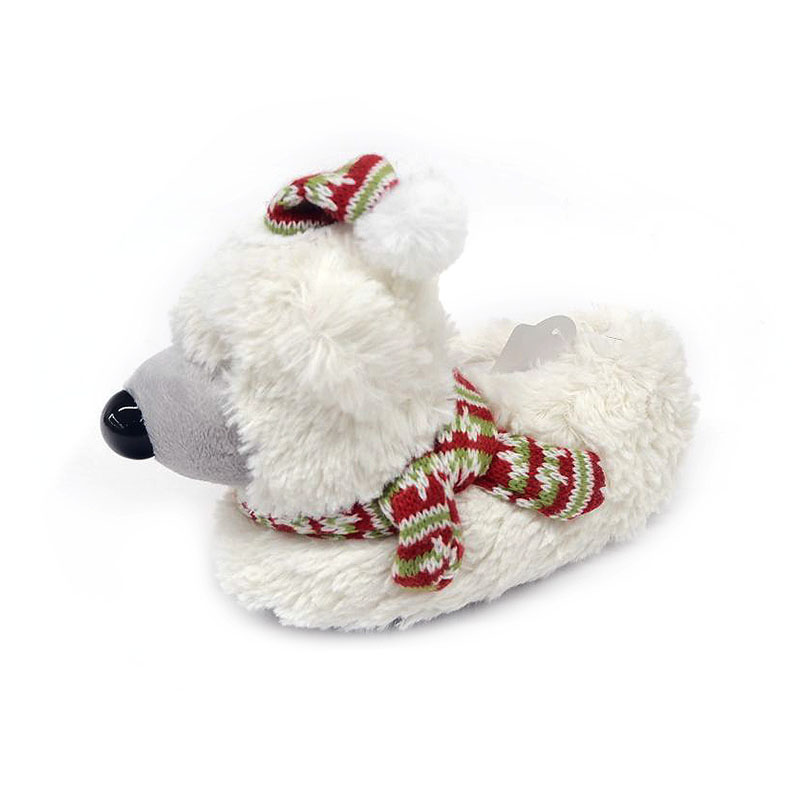
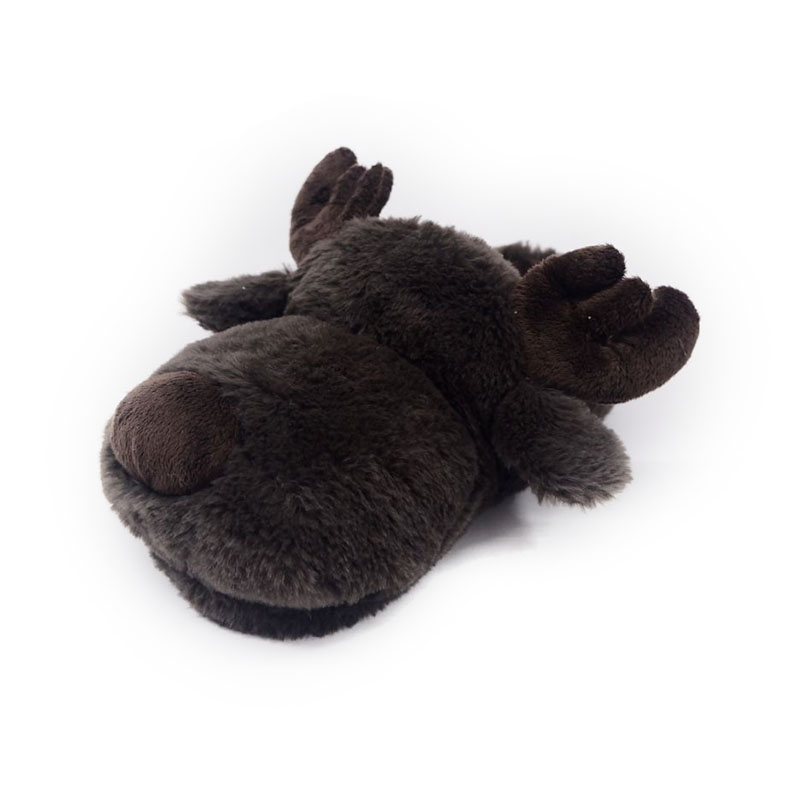
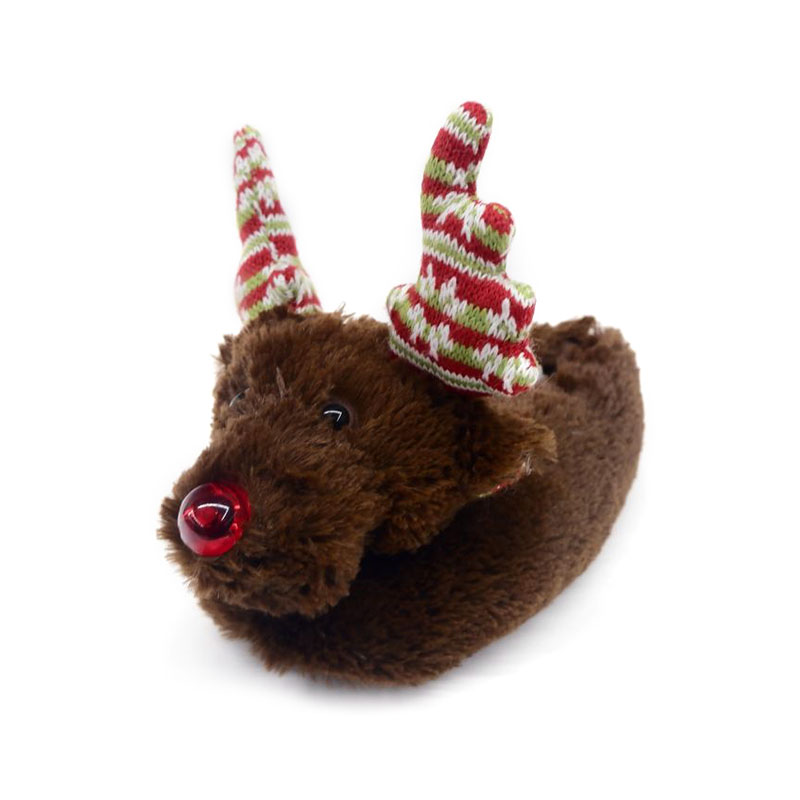
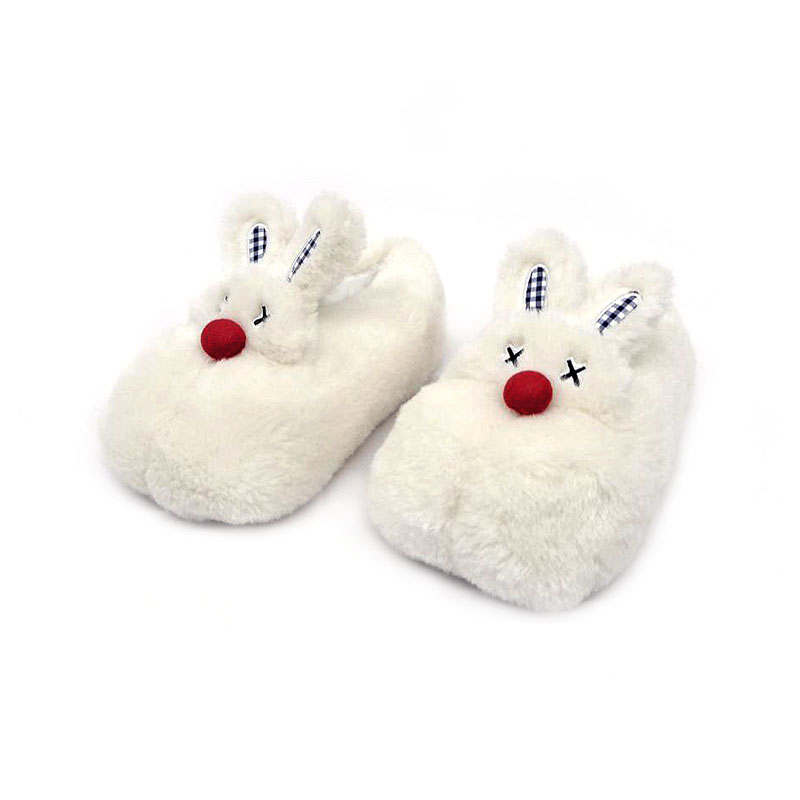
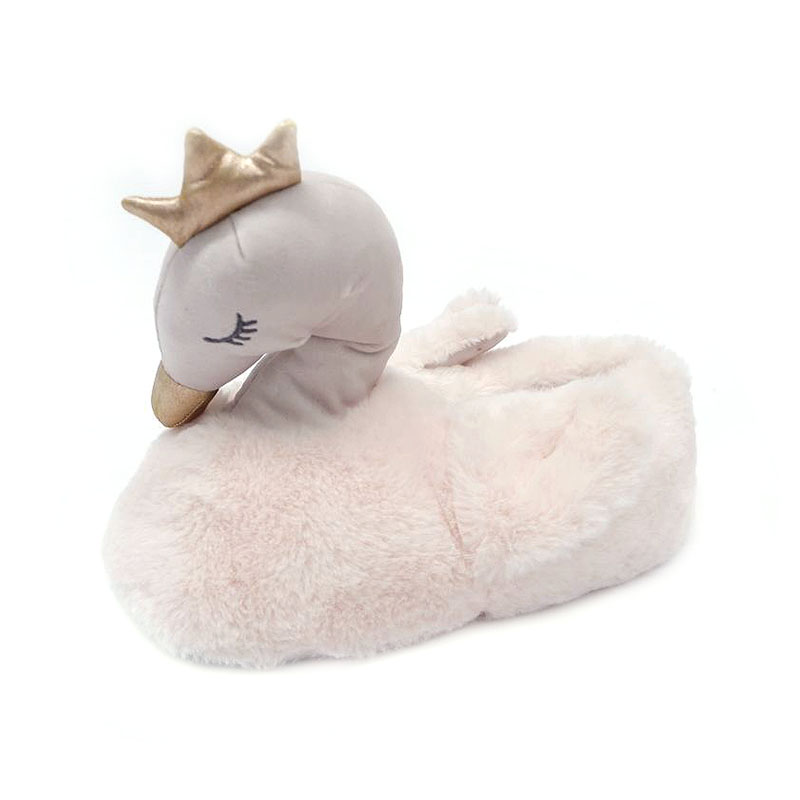
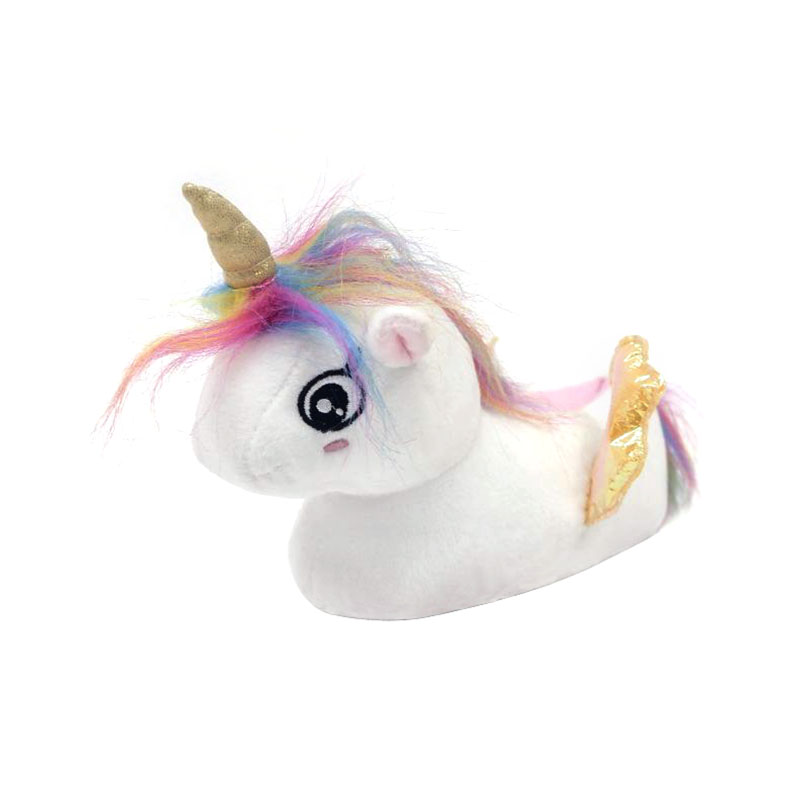
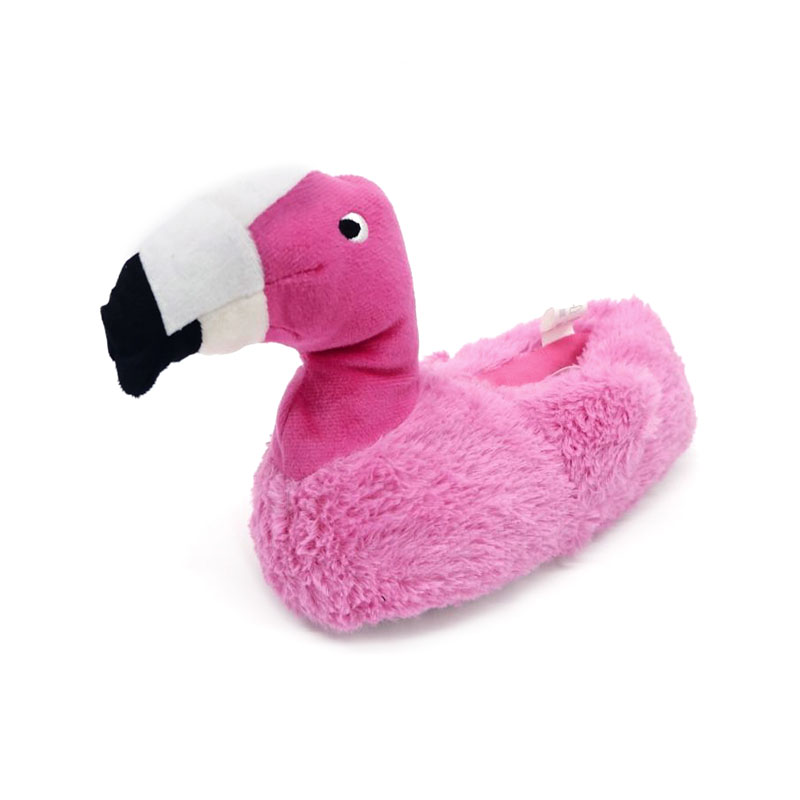
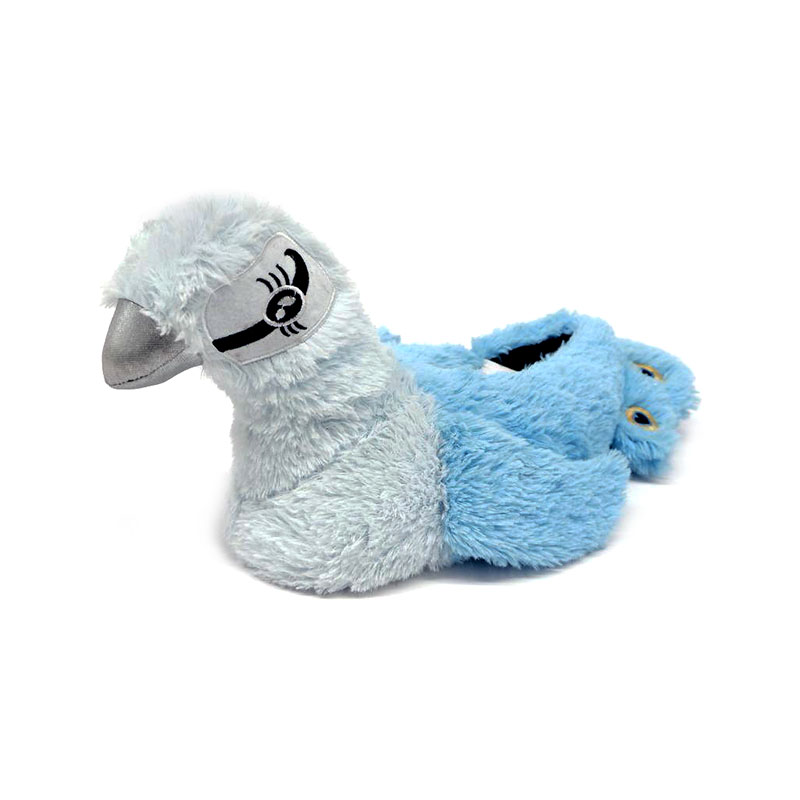
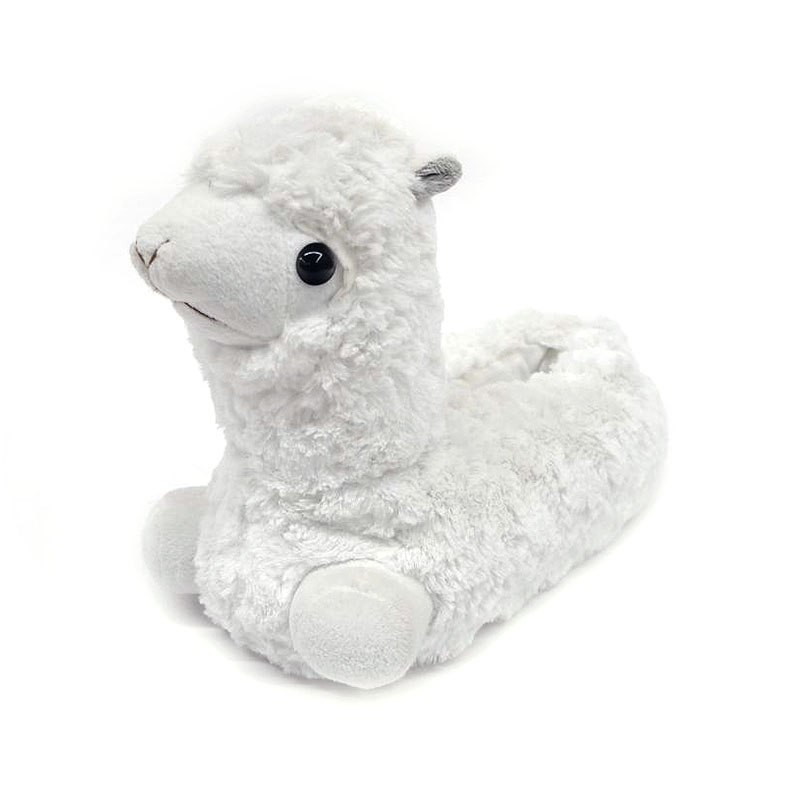
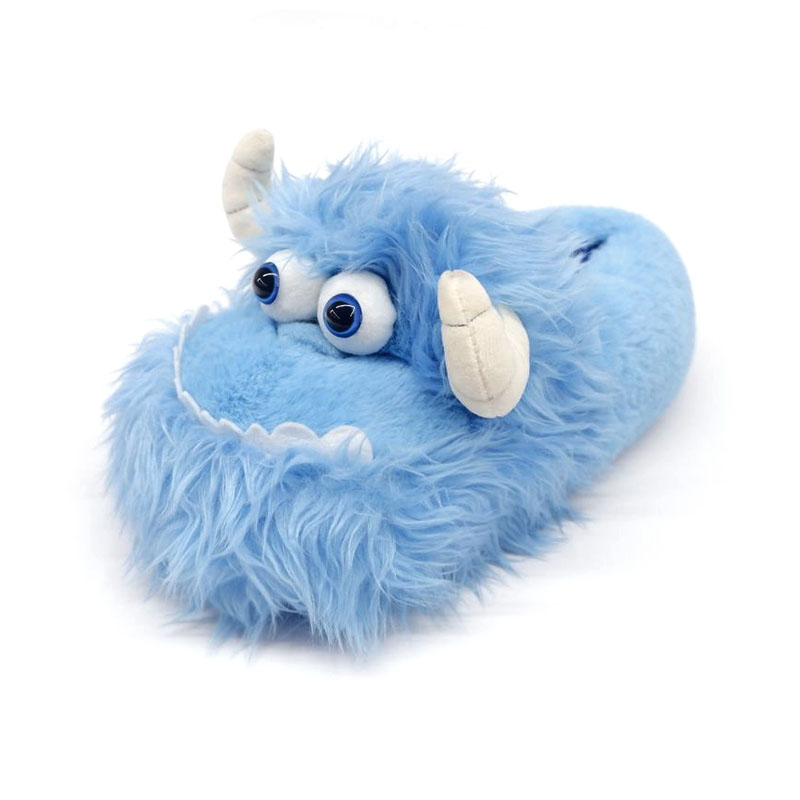
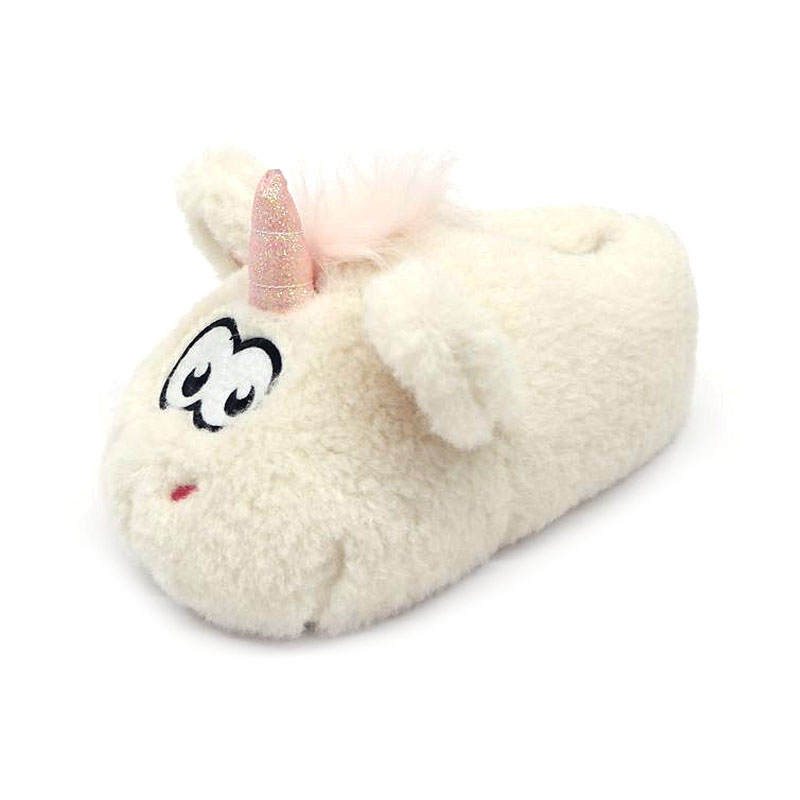
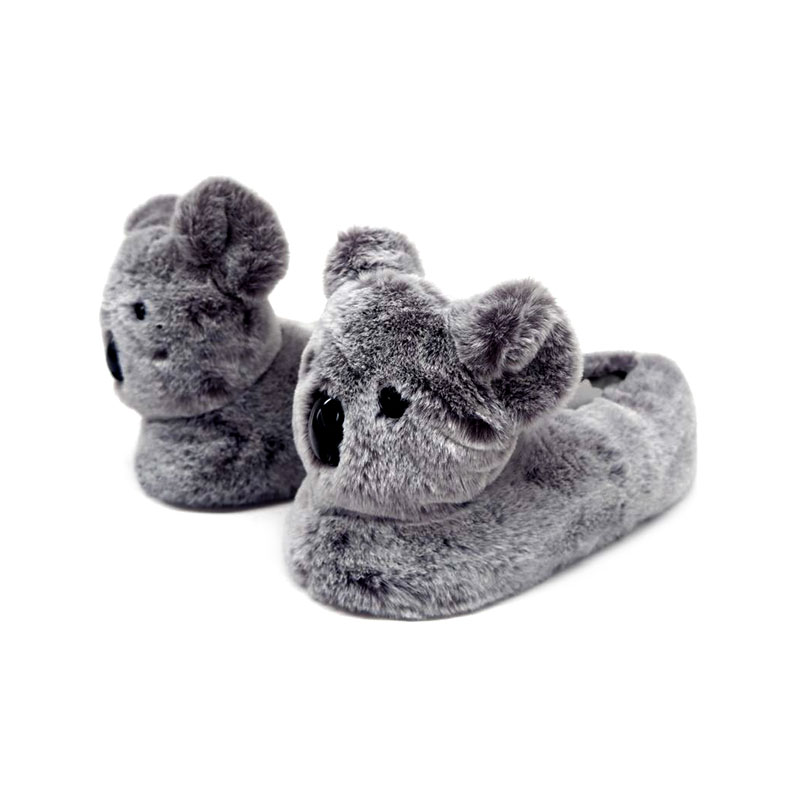
Indoor Slippers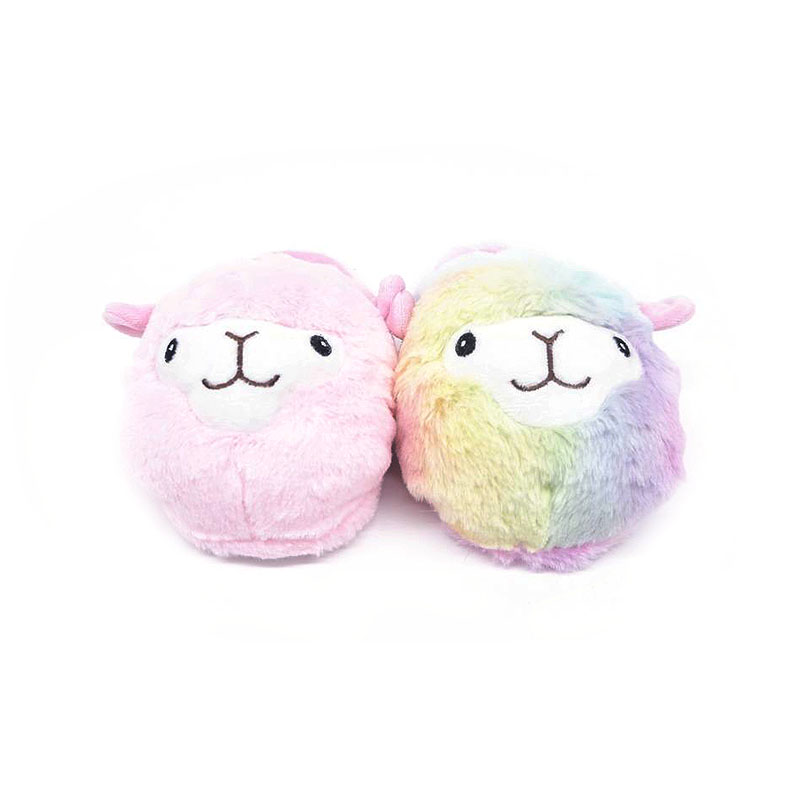
Sole Thickness and Insulation Layers
Cotton Bootie Slippers frequently add a thicker insulation layer for ankle-high warmth — ideal in winter, but bulky enough to retain water long after the wash. Indoor Slippers, particularly slide-style or low-profile designs, tend to have thinner soles and less insulation bulk, supporting faster airflow and evaporation.
Side-by-Side Drying Comparison
The figures below reflect average drying times under typical room-temperature conditions, around 68–72°F.
| Feature | Indoor Slippers | Cotton Bootie Slippers |
|---|---|---|
| Average Drying Time | 4–8 hours | 12–24 hours |
| Primary Material | Synthetic microfiber, terry, foam | Cotton batting, quilted lining |
| Water Retention | Low to moderate | High |
| Best Season | Year-round, especially warmer months | Cold winter months |
| Machine Washable | Usually yes | Often hand-wash recommended |
Drying speed rarely tops anyone's shopping list — until the moment you're standing on cold tile with damp slippers still on the rack.
Factors That Influence How Quickly Your Slippers Dry
Beyond base material, several variables affect how fast either style dries — understanding them helps you speed up the process regardless of which pair you own.
- Ambient humidity — higher humidity slows evaporation for both styles, but cotton is affected more due to its absorbent nature.
- Airflow and placement — drying near a fan, open window, or vent shortens time for Indoor Slippers more noticeably than for bulkier cotton designs.
- Sole material — rubber or EVA foam soles repel water rather than absorb it, unlike the felted soles common in Cotton Bootie Slippers.
- Washing method — hand-washing preserves shape but leaves more residual water than a spin cycle, which is often safer for Indoor Slippers than for delicate cotton booties.
Seasonal Suitability: Cool Weather vs. Winter Use
Drying speed matters most when you need footwear back in rotation quickly, and that often depends on season. For transitional weather, cool indoor slippers made from breathable synthetic knits or lightweight terry fabric are ideal — they dry fast and prevent feet from overheating indoors. This makes them a smart pick for households washing slippers weekly, or for humid climates where slow-drying fabric can develop odor or mildew.
When temperatures drop, many people prioritize warmth over speed. This is where winter indoor slippers with thicker insulation — including some cotton bootie styles — become more appealing despite longer drying times. If your floors stay cold for months at a time, owning two pairs makes sense: a fast-drying option for regular use, and a warmer, slower-drying pair reserved for the coldest days.
Info
Room-temperature drying estimates assume no direct heat source and moderate humidity. Colder, damper rooms will extend drying time for both slipper styles.
Comfort, Support, and Practicality Beyond Drying Time
Drying speed is a major consideration, but it shouldn't be the only one. Many people also look for supportive indoor shoes that reduce foot fatigue during long hours on hard floors. Indoor Slippers with contoured foam footbeds tend to offer better arch support than the flatter, softer lining found in bootie-style slippers, which prioritize warmth and coziness over structure.
When Indoor Slippers Make More Sense
If you wash slippers often, live somewhere humid, or need footwear that dries quickly between uses, Indoor Slippers are generally the more practical choice. Their construction also holds shape better across repeated wash cycles, since synthetic fibers resist matting more effectively than cotton batting.
When Cotton Bootie Slippers Make More Sense
If maximum warmth during cold months is the priority, and you're willing to wash less often or plan for extra drying time, Cotton Bootie Slippers remain a comfortable, cozy choice. Many people reserve them for guest use or occasional wear, which reduces how often the slow drying time becomes an inconvenience.
Warning
Avoid tumble-drying either style on high heat. Foam soles can warp and cotton fibers can shrink, permanently altering fit.
Tips to Speed Up Drying for Either Style
- Remove excess water immediately after washing by pressing slippers between two clean towels rather than wringing, which can distort shape.
- Stuff slippers loosely with dry paper towels or a small towel to absorb internal moisture and help them hold their form while drying.
- Place slippers in a well-ventilated area, ideally near airflow from a fan, rather than in an enclosed space like a closet.
- Avoid direct heat sources such as radiators or hair dryers, which can warp foam soles or shrink cotton fibers.
- Rotate between two pairs if you wash frequently, so one pair is always available while the other dries fully.
Success
Following these steps typically cuts total drying time by 20–30% for both Indoor Slippers and Cotton Bootie Slippers.
Final Takeaway
Indoor Slippers generally dry two to three times faster than Cotton Bootie Slippers, thanks to their synthetic materials, thinner insulation, and moisture-resistant soles. If quick turnaround after washing is a priority — especially for households doing frequent laundry cycles — Indoor Slippers are the more efficient choice. For those prioritizing deep winter warmth and willing to plan around a longer drying window, Cotton Bootie Slippers remain a cozy, reliable option. Considering your climate, washing habits, and need for support will help you decide which style truly fits your everyday routine.
Danger
Never store slippers while still damp. Trapped moisture inside foam or cotton linings can lead to mildew growth and lingering odor within 24–48 hours.