 English
 русский
A pair of women's cotton slippers looks like a simple purchase, but the difference between a slipper that stays comfortable for years and one that flattens within weeks comes down to materials, construction, and fit. Most people only notice those details after a favorite pair has lost its shape, or when their feet feel clammy and cold despite a thick fuzzy lining. Understanding what actually determines comfort makes the next purchase much easier, whether you are buying for yourself, for a family member, or for a retail line you plan to source.
What Actually Makes a Cotton Slipper Comfortable
A cotton slipper is rarely made of cotton alone. It combines an upper fabric, an inner lining, a cushioned insole, and an outsole that handles traction. The comfort you feel depends on how well those layers work together, not on a single soft material.
Upper Fabrics: Cotton, Plush, and Brushed Fleece
The upper wraps the foot and defines the look of the slipper. Cotton yarns are breathable and absorbent, which makes them pleasant against bare skin, but weave density changes everything: a loose weave stretches quickly, while a dense weave holds its shape far longer. Brushed cotton and plush fleece uppers feel softer to the touch and trap a thin layer of warm air, making them a better fit for winter. For milder weather, a lighter cotton upper or an open design keeps feet from overheating.
Lining and Insole: Where the Cushioning Lives
The lining sits directly against the foot. A short-plush or fleece lining is gentle on the skin and helps move moisture away, but density matters: a thin lining flattens after a few wears, while a denser pile keeps its loft and continues to cushion every step. The insole is even more important. EVA foam delivers light shock absorption, memory foam conforms to the shape of the foot, and a contoured footbed reduces pressure under the heel and the ball of the foot.
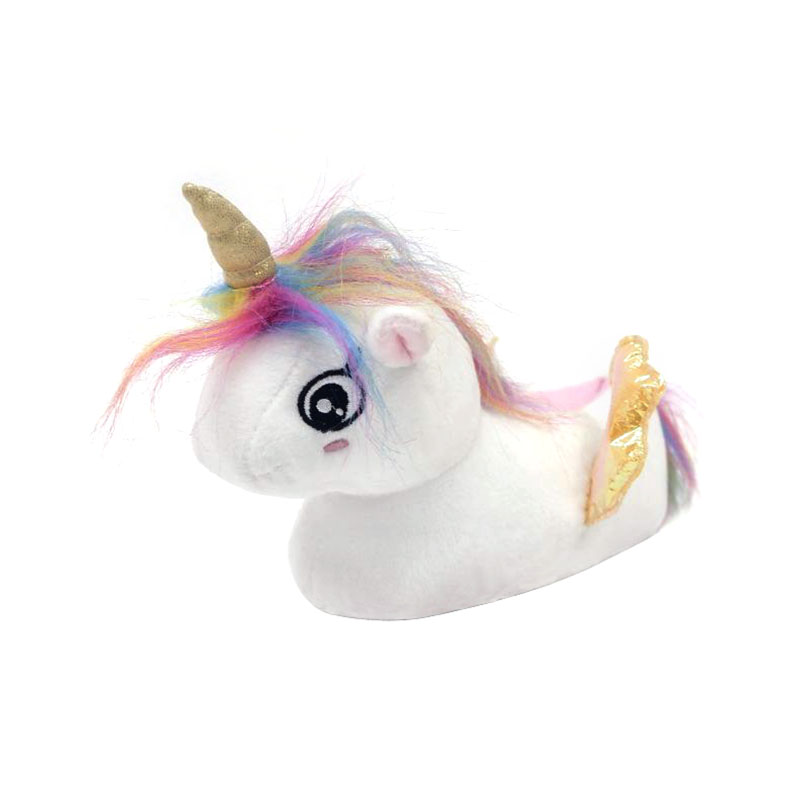
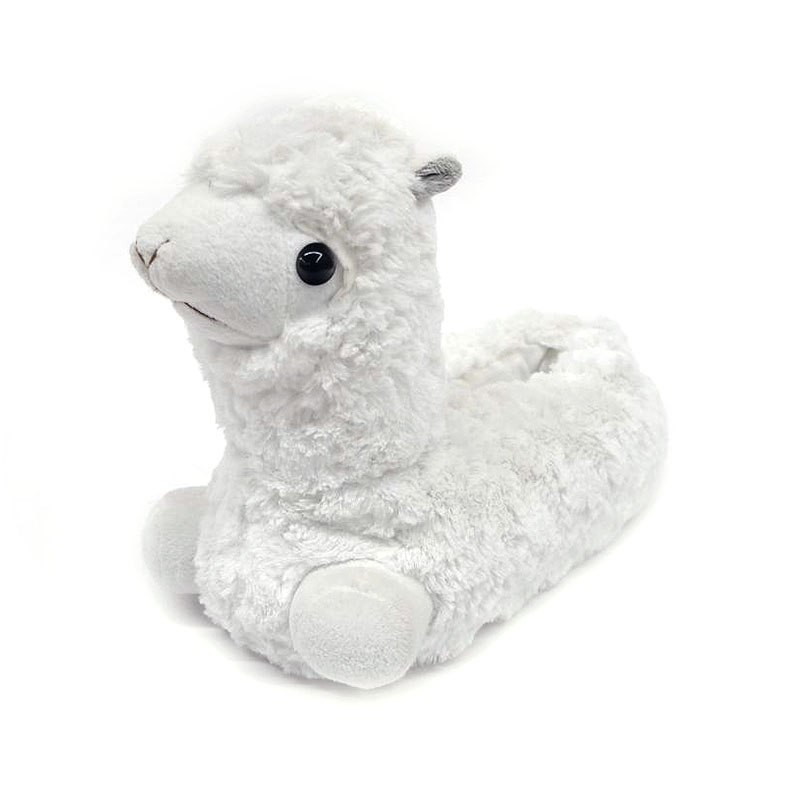
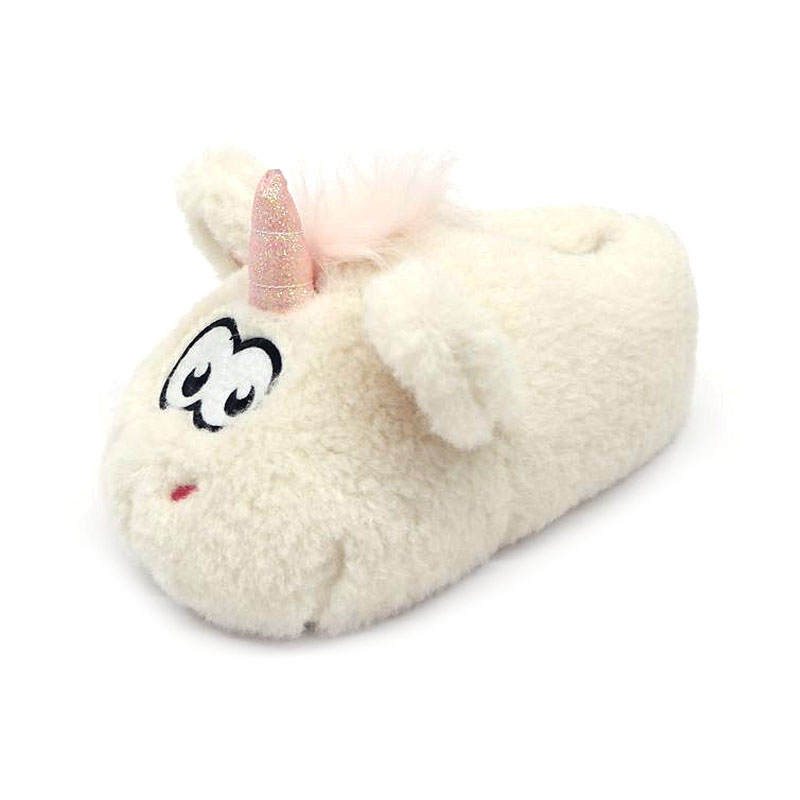
In the women's winter range, the cute white alpaca slippers for women combine a plush upper with a cushioned insole, and the angel unicorn slippers use the same layered construction. This is the principle to keep in mind: a genuinely comfortable slipper always has a structured insole, not just a flat piece of fabric.
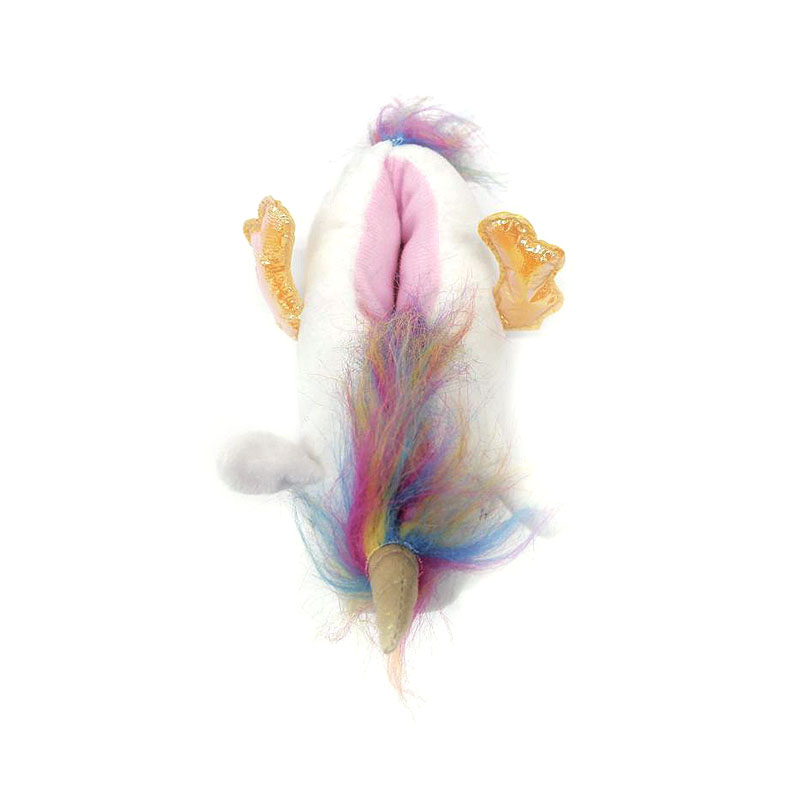 Wholesale Angel unicorn slippers Suppliers, FactoryCixi Juxin Shoes Co., Ltd. is China wholesale Angel unicorn slippers suppliers and Angel unicorn slippers factoryWomen's Winter Cartoon U...View Product →
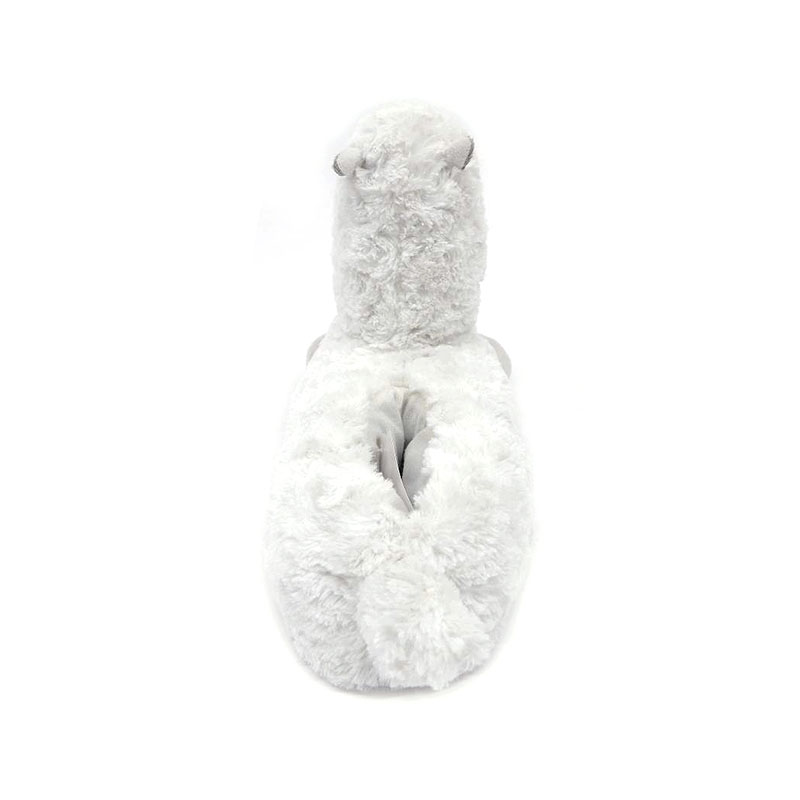 Wholesale Cute white alpaca slippers Suppliers, FactoryCixi Juxin Shoes Co., Ltd. is China wholesale Cute white alpaca slippers suppliers and Cute white alpaca slippers factoryFluffy Alpaca sl...View Product →
| Layer | Common Materials | Main Role | What to Look For |
|---|---|---|---|
| Upper | Cotton, plush fleece, brushed fabric | Wraps the foot and sets the look | Dense weave, breathable fabric, neat stitching |
| Lining | Short plush, fleece, microfiber | Sits against the foot and traps warmth | Soft touch, good moisture-wicking, not too thin |
| Insole | EVA foam, memory foam, latex | Cushions the foot and absorbs impact | Moderate thickness, contoured arch area |
| Outsole | TPR, rubber, EVA | Provides grip and stability | Patterned tread, firm heel, flex at the ball |
Fit and Sizing: How a Women's Cotton Slipper Should Sit on the Foot
Slippers should not fit like shoes. A little extra room is normal because slippers are usually worn without laces or straps, and often with thicker socks in winter. But there is a limit: about half a centimeter of space in front of the toes is comfortable, while the heel should not slide off with every step. If the slipper presses hard across the instep, circulation is restricted and the foot will feel colder, not warmer.
Length, Width, and Heel Coverage
Women with wider feet should look for a rounded toe box and a slightly stretchy upper. Closed-heel styles keep the foot secure and retain more warmth, while open-back mule designs are more convenient to slip on and off. The right choice depends on how the slipper will be used: open styles suit quick trips around the house, closed styles suit evenings spent on the sofa.
Arch Support and Foot Conditions
Not every slipper needs strong arch support, but women with flat feet, plantar fasciitis, or long days on their feet benefit from a footbed with a raised arch area. A slight contour in the insole reduces strain on the plantar fascia and makes the slipper comfortable for extended wear. If the footbed feels completely flat, the slipper may be fine for short walks but will not support a whole evening. When comfort is a real concern, review the comfort features that women's slippers should include before choosing a pair.
Warmth vs. Breathability: Matching the Slipper to the Season
The biggest mistake shoppers make is treating warmth and breathability as opposite ends of one scale. Good winter slippers keep feet warm without making them sweat, and that balance depends on the lining material's moisture-wicking behavior.
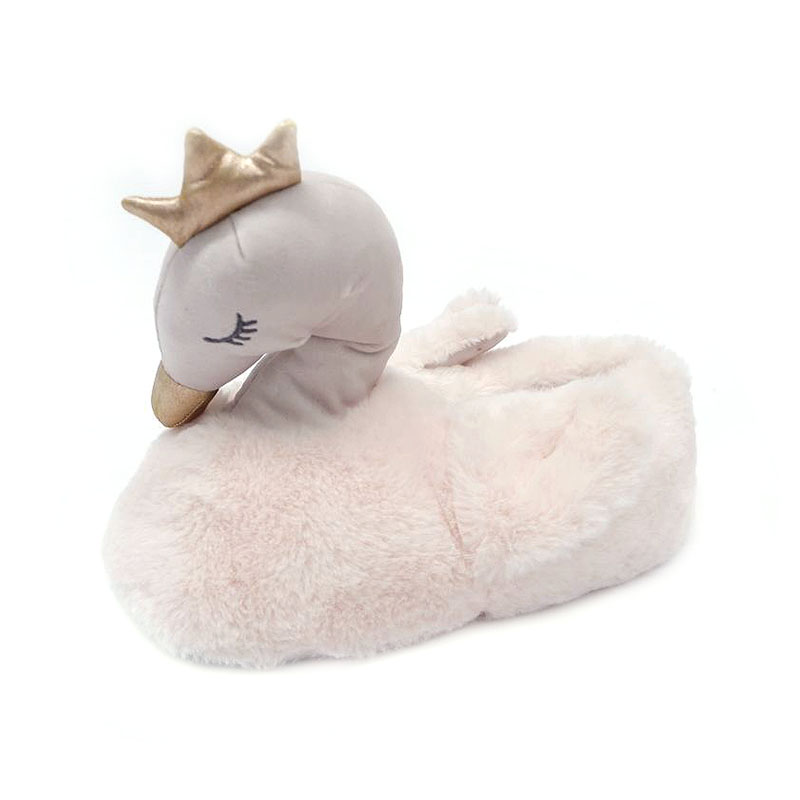
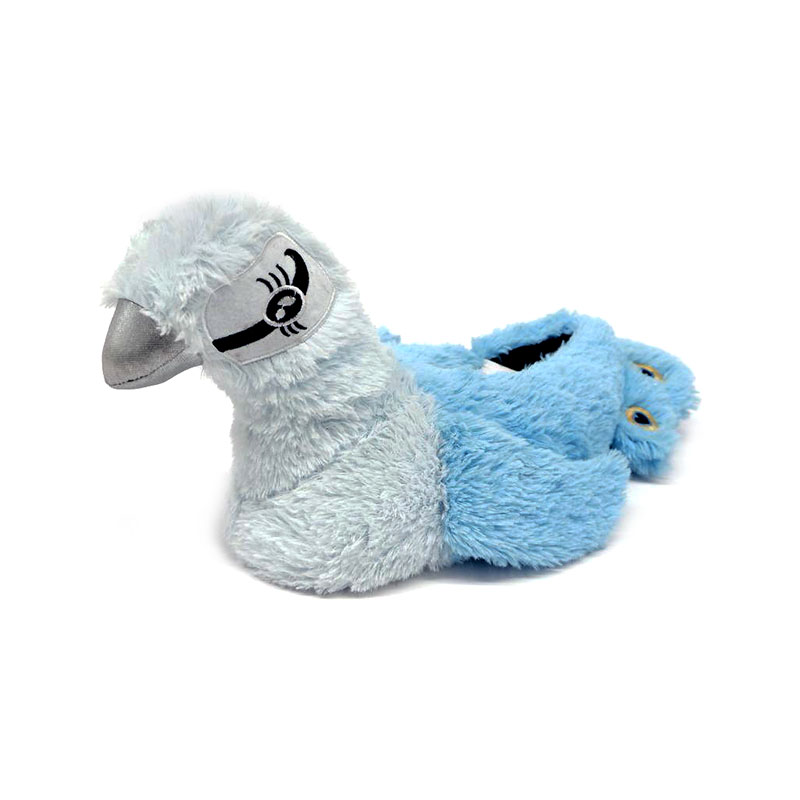
Plush and fleece linings hold heat, but if the lining traps moisture, feet become damp and then cold once the slipper is removed. A breathable upper, whether cotton or a fine-knit plush, lets humidity escape. Open designs improve air circulation further: the blue open-screen peacock slippers are built with an open upper to keep feet cooler, while the closed pink swan princess slippers prioritize warmth. A simple test for winter: after wearing a pair for a couple of hours, your feet should feel warm but not sticky.
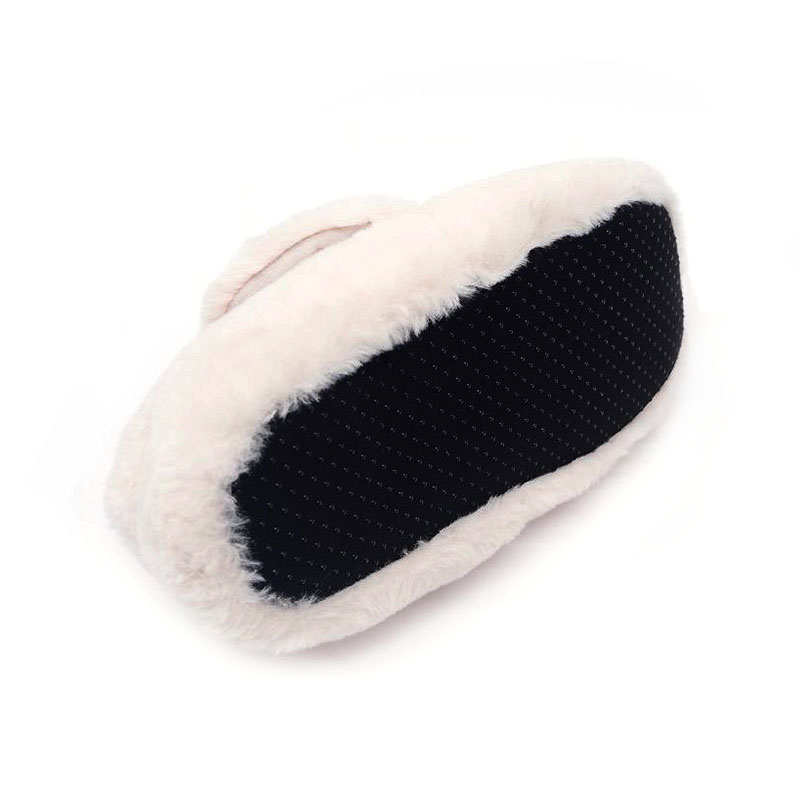 Wholesale Pink Swan Princess slippers Suppliers, FactoryCixi Juxin Shoes Co., Ltd. is China wholesale Pink Swan Princess slippers suppliers and Pink Swan Princess slippers factoryNew developmen...View Product →
Soles and Traction: Safety on Hard Floors
Slippers spend most of their time on hardwood, tile, or laminate, all of which become slippery when clean or slightly damp. That is why the outsole matters more than most shoppers realize. A flat felt or thin EVA bottom offers very little grip, while a TPR or rubber outsole with a patterned tread grips the floor far better.
When evaluating a pair, press the sole and see whether it flexes slightly at the ball of the foot but stays firm under the heel. It helps to run through a quick checklist:
- Press the center of the sole: it should feel firm, not paper-thin.
- Flex the ball area: it should bend slightly with your step.
- Run a finger over the bottom: a textured pattern indicates better grip.
- Check the heel area: a slightly raised heel cup stabilizes the foot.
For older women, or anyone with balance concerns, this single detail can be more important than the style of the upper.
Care and Lifespan: Keeping Cotton Slippers Fresh
Cotton slippers collect dust, sweat, and odors, so care instructions matter just as much as materials. Washing a plush slipper in hot water can shrink the upper, flatten the fleece, and weaken the adhesive that bonds the insole. Most quality slippers should be hand-washed or spot-cleaned with mild detergent and air-dried away from direct heat.
Proper washing is simple if you follow these steps:
- Shake off loose dust or use a soft brush on the upper.
- Spot-clean with mild detergent and cool water.
- Rinse gently without fully soaking the slipper.
- Air-dry away from direct heat and sunlight.
- Stuff the toe with paper to help the shape recover.
Rotating between two pairs extends the lifespan of both: alternating allows the lining to dry fully, which prevents odor and keeps the cushioning from compressing permanently. Even a well-made slipper will eventually lose its loft, but a properly constructed pair lasts several seasons rather than several weeks. For the full routine, see how women's winter fuzzy slippers maintain their softness and warmth after washing.
Why the Manufacturer Matters for Women's Cotton Slippers
Most cotton slippers are made by specialized footwear factories, and the factory's experience shows up in details that never appear in a product photo: consistent stitching, linings that stay attached after months of wear, outsoles that remain bonded to the upper, and sizing that actually matches the label.
A manufacturer with a long production history and a mature quality system gives buyers more confidence. Cixi Juxin Footwear has produced slippers since 2001, operates a factory of nearly 9,000 square meters with more than 200 employees and six production lines, and produces around 4 million pairs of footwear each year. The company holds BSCI certification and regularly works with trading companies on OEM and ODM orders. For anyone sourcing women's cotton slippers for a brand or retail channel, these operational details, including production capacity, certification, and customization ability, are the signals that separate a dependable supplier from an opportunistic one. You can read more about the craftsmanship behind cotton slippers to understand what to verify when auditing a factory.
Final Thoughts
A women's cotton slipper deserves the same scrutiny as a good shoe: materials, fit, support, traction, and construction all play a role. Warmth without breathability leads to sweating; a cute upper on a flat, slippery sole is a fall hazard; and a slipper that cannot be cleaned will lose its appeal quickly. Once those basics are clear, style becomes the fun part, whether you prefer an alpaca-inspired design, a princess-style closed slipper, or a simple cotton pair. And if you are sourcing for a brand, choose a factory that can document its production process and quality control, because that is the shortest path to a slipper customers will actually reorder.