 English
 русский
Organic Cotton Slippers: A Practical Buyer's Guide to Materials, Fit and Care
Look beyond the label for a moment. A house slipper is a simple object, yet its material, midsole, outsole and seams determine whether it stays comfortable after its first wash. Here is what to check before you choose.
You have spent ten minutes comparing two pairs of slippers online. One says "100 percent organic cotton." The other says "cotton" and costs less. Both look soft. The difference does not appear on screen, but it shows up in how the slipper breathes, how it survives washing, and how long the sole holds its shape. This guide walks through the factors that matter, and where organic cotton earns its place on your floor.
What "Organic" Actually Means in a Slipper
Organic cotton starts on the farm, where it is grown without synthetic fertilizers or pesticides, from non-GMO seed, with soil practices such as crop rotation. That benefits the people who grow it and the water systems around their fields. The label only becomes trustworthy when an independent body has verified the process beyond the farm.
- GOTS (Global Organic Textile Standard) covers the entire textile chain, from the farm through spinning, dyeing and finishing, including wastewater treatment and social criteria. It is the strongest single claim on a label.
- OCS (Organic Content Standard) verifies the percentage of organic cotton in a product, but it does not assess processing chemicals or working conditions inside the factory.
When a product says "organic cotton" without naming one of these standards, treat it as a marketing statement and ask for the certificate. This is even more important for bulk orders: a container of slippers cannot be validated by looking at the box.
Warning: "Organic" on the packaging is not a test result. Ask for a GOTS or OCS certificate and confirm it covers the factory that assembled the slipper, not only the cotton farm.
Where Cotton Fits: Breathability, Warmth and Everyday Use
Cotton slippers have three genuine strengths: breathability, moisture absorption and easy care. Cotton takes in perspiration from feet that tend to sweat, releases it during the day, and washes well at low temperature. What it does not do is trap heat the way plush or wool uppers do. On a heated floor at around 20 degrees Celsius, a cotton slipper with a cushioned insole works for most of the year. On uninsulated tile in January, you will want a higher pile.
| Material | Breathability | Warmth | Care | Typical lifespan |
|---|---|---|---|---|
| Organic cotton | High | Moderate | Machine wash, air dry | 1-2 seasons |
| Conventional cotton | High | Moderate | Machine wash, air dry | 1-2 seasons |
| Plush polyester / faux fur | Medium | High | Machine wash, air dry | Pile flattens over time |
| Wool felt | Medium | High | Hand wash preferred | Durable, shrinks if washed wrong |
The practical question is not "organic or not" but "what does this pair need to do." For mild months and people whose feet run warm, a cotton upper is enough. For deep winter on a cold bathroom floor, a plush-lined style keeps heat in; the trade-off is breathability.
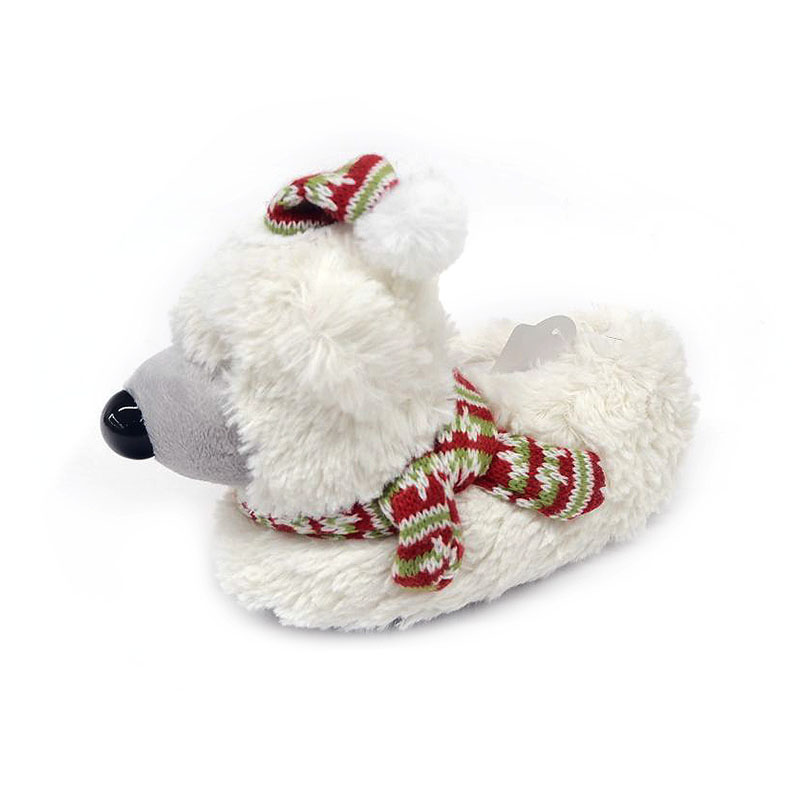
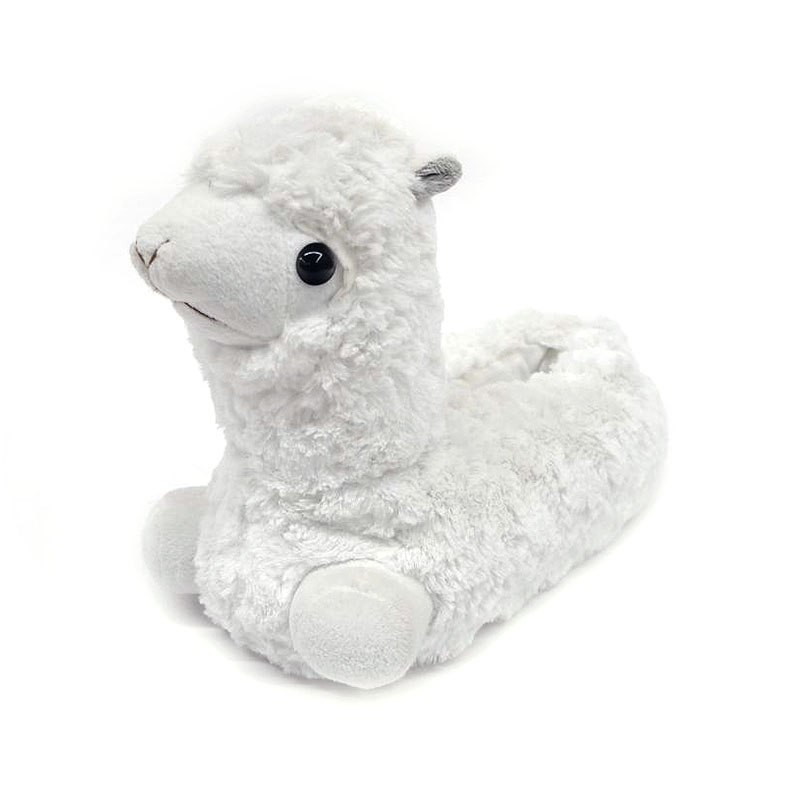
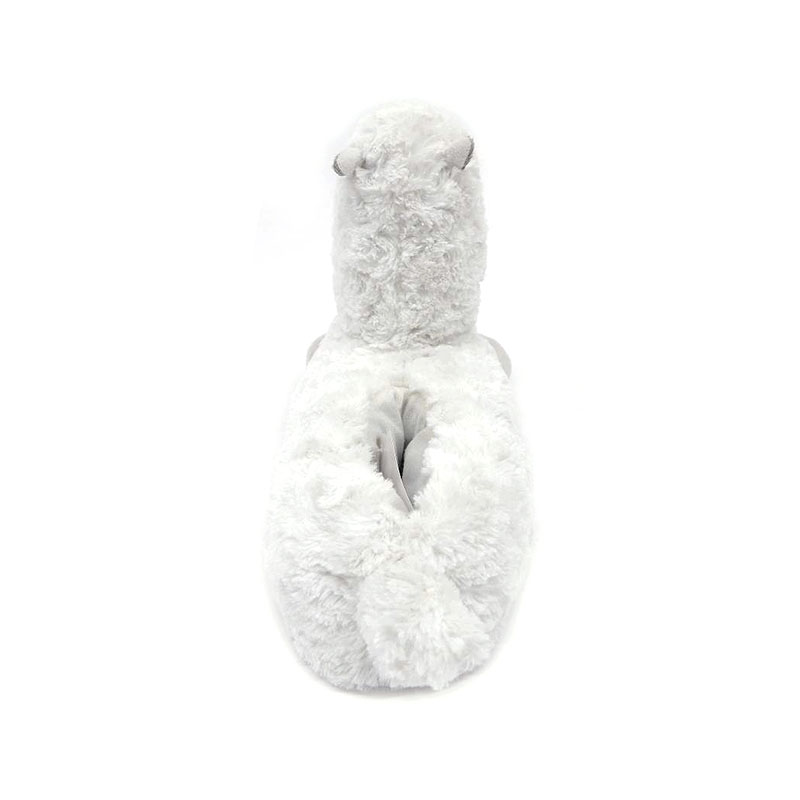 Cute White Alpaca Plush Slippers with Non-Slip SoleThese fluffy white alpaca slippers add a playful touch while trapping warmth for deep winter use. Their non-slip sole addresses safety when evaluating grip on cold bathroom floors.View Product →
The Layers That Decide Comfort
The upper decides the look; the sole decides whether the slipper still feels right after three months. In the order you should evaluate them: insole, midsole, outsole.
- Insole. A removable insole is easier to clean and replace. Look for a moisture-wicking lining; a thin glued-in foam insole compresses quickly and creates pressure under the heel.
- Midsole. EVA foam and rubber-cork blends give the best cushioning-to-weight ratio. An indoor slipper typically uses 8 to 12 millimeters of cushioning; more does not help unless the footbed also carries a slight arch contour.
- Outsole. TPR or rubber with a fine tread grips hard floors without marking them. Flat felt or non-woven bottoms wear fast and turn slippery on wet tile.
The connection between the upper and the insole is the most common failure point. Reinforced stitching around the toe box and heel prevents the upper from peeling away where the foot bends. That detail is one of the quiet measures of manufacturing quality worth checking before buying.
How fabric, stitching and outsole bonding come together explains why these details hold up; the craftsmanship behind cotton slipper production starts with material selection and continues through every seam.
Info: If you are buying online, look for photos that show the outsole and the insole, not just the top of the slipper. The angle most listings skip is exactly where the important details live.
For a restrained everyday shape with cushioned insoles and a TPR outsole, the men's simple cotton slipper collection shows the idea in practice.
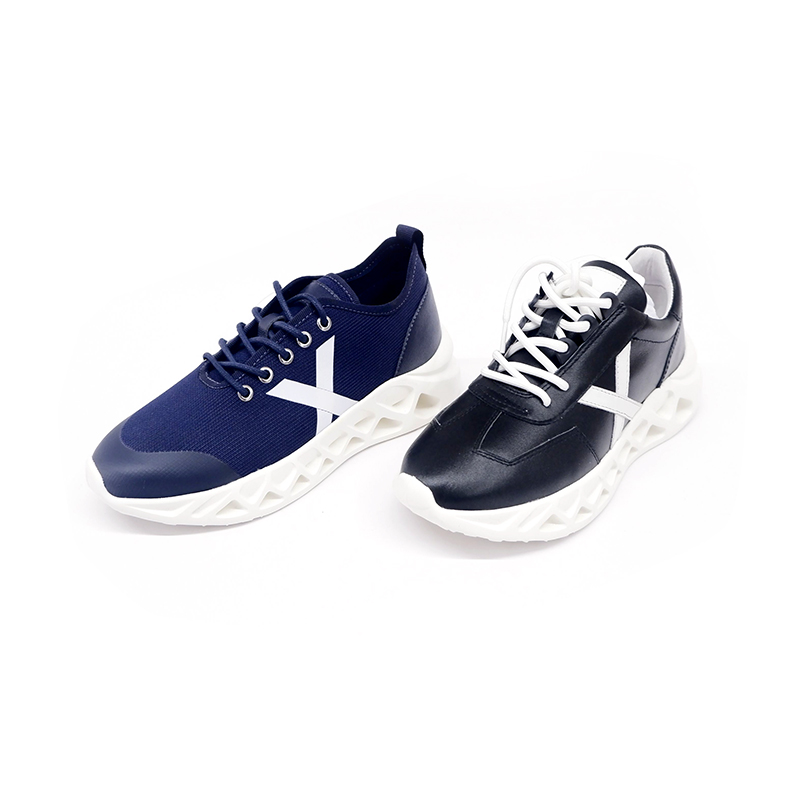 Simple Men's Casual Shoes with Cushioned Insoles and Lightweight SoleA restrained everyday shape with cushioned insoles and breathable materials, these casual shoes suit indoor-outdoor routines. Check the outsole for adequate grip on polished tile or stairs.View Product →
Danger: Smooth-bottomed slippers on polished tile or stairs are a genuine slip risk. Run your thumb across the outsole; rubber with shallow grooves provides grip, while flat felt does not.
Fit, Daily Rooms and Morning Routines
Fit matters more in slippers than in most shoes, because there is no lacing to correct a bad shape. Leave about a thumb's width in front of the toes and make sure the heel does not lift when you walk. Slip-on styles with a relaxed collar are the easiest to enter; boot-style slippers hold the foot better.
Think about where you actually wear them. A slipper used mainly beside the bed needs little support. One worn while cooking breakfast, carrying laundry or stepping out to collect a parcel benefits from a firmer outsole and a little arch support. For the in-between moments, easy-to-wear designs keep a lightweight upper and a wide opening, so you can step in without bending down.
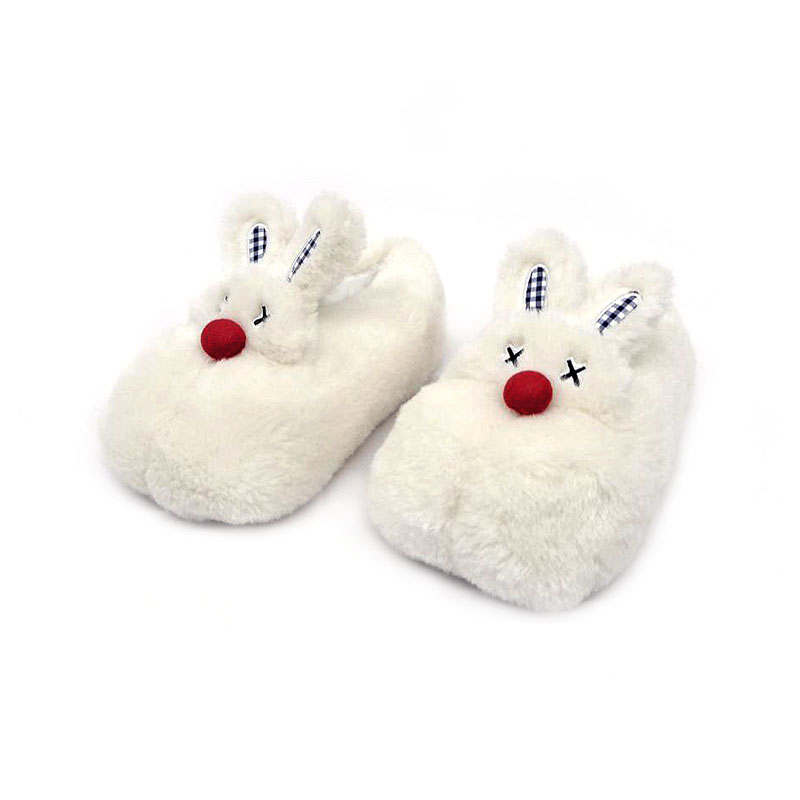
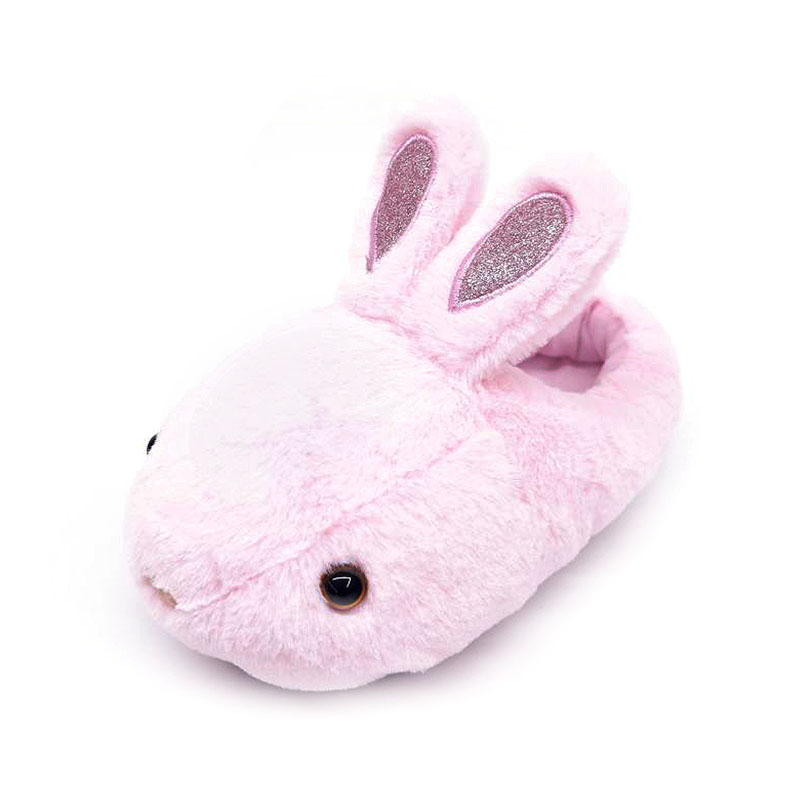 Easy-to-Wear Plush Rabbit Slippers for Women and KidsWith a wide opening and lightweight upper, these bunny slippers let you step in without bending. They suit everyday moments like cooking breakfast or quick trips around the house.View Product →
The slipper you reach for every day is not the warmest or the softest pair you own; it is the one that fits your routine without a second thought.
Care, Cleaning and Knowing When to Retire a Pair
Cotton uppers are among the easiest slipper materials to keep clean. Most can be machine washed cold on a gentle cycle and air-dried away from radiators and direct sun. High heat is the enemy: it shrinks cotton uppers and degrades the EVA midsole, leaving the sole stiff and brittle.
Success: Wash cotton slippers every two to four weeks during heavy-use months. A well-made pair should survive twenty or more wash cycles when it is air-dried.
To keep the shape while drying, pad the toe lightly with a dry cloth and let the slippers rest overnight. Replace them when the sole no longer bounces back, when the insole carries a permanent heel imprint, or when odor remains even after washing. That last sign usually means the insole foam has broken down far enough to trap bacteria in its open cells.
What Retail Buyers and Importers Should Verify
For brands and buying offices, the consumer-facing claim is only the first step. When sourcing organic cotton slippers in bulk, verify the certificate trail: request the GOTS or OCS transaction certificate, review the test reports for dyes and restricted substances, and run a wear trial on the sole and seams before committing to a full production run.
Production capacity and quality systems decide whether a partner can deliver consistent orders. The manufacturer behind this guide reports six production lines, more than two hundred employees and an annual output of about four million pairs, with BSCI certification and dedicated support for OEM and ODM projects. If you are planning a private-label organic cotton slipper line, the practical next step is a conversation about minimum order quantities, lead times and sample development. A useful starting point is the complete product catalog.
Organic cotton is a defensible choice in a house slipper when the claim is certified, the sole is built to last, and the material matches your floors and seasons. Start with the label, then look at the layers underneath, and you will end up with a pair that feels as good a year from now as it does on the first day.