 English
 русский
Washable Cotton Slippers: What Makes a Pair Machine-Safe and Worth Buying
How to tell a machine-safe slipper from one that will lose its shape, and why construction matters more than fabric content.
Picture this: you just unpacked a fresh pair of cotton slippers. The quilted collar is plush, the footbed is springy, and they make the kitchen floor feel warm and forgiving. Three weeks later, the heel is matted, there is a faint smell of damp foot, and the sole has started lifting at the toe. You are thinking one thing: can I wash these?
The honest answer is yes, but only if the slipper was built with the washing machine in mind. A washable cotton slipper is not a softer or more fragile version of a regular slipper; it is a deliberately engineered one. The upper may be cotton, but the real test is how the insole, outsole, and inner lining react to water, detergent, and tumbling.
What “Machine Washable” Actually Means for Cotton Slippers
In theory, cotton is one of the easiest fabrics to wash. It can take warm water, gentle detergent, and a normal dry cycle. The problem starts when manufacturers use the word “cotton” for the upper while hiding a non-woven cardboard insole and a glued PVC sole underneath. Once moisture gets inside those components, the slipper loses its shape and stiffness, and no amount of natural fiber in the upper will save it.
The fabric content matters, but the construction method matters more. A true washable cotton slipper usually has a stitched outsole or a removable footbed, a lining that is not glued down, and a filling that can shed water instead of holding it. Without those details, even 100% organic cotton can turn into a misshapen, sour-smelling pair after a single wash.
Washability starts at the cutting table, not in the laundry room. If the design cannot survive water, no detergent can fix it.
Why Some Cotton Slippers Fall Apart After Washing
There are three common failure points: the sole, the insole, and the inner lining. A sole that is merely glued to the upper will peel, especially when the washing machine flexes the shoe repeatedly. An insole made of compressed paper will stiffen, shrink, or crumble when wet. A lining with a brushed finish and no stabilizing weave can pill, roll, or separate from the upper.
In practical terms, here is what those failures look like:
- Glued EVA or TPR outsole – the edge lifts and water gets trapped between layers
- Compressed cardboard insole – turns hard and flattens permanently
- Synthetic fleece glued directly to cotton – washing makes the two layers shift and bubble
These are exactly the details you want to inspect in a showroom or through a close-up photo before you buy.
What to Look for in a Pair That Will Really Last
So how do you identify a genuinely washable pair before you buy? Look for signs of over-build rather than fancy branding. The care label is a start, but the label only tells you the recommended temperature, not how well the shoe will behave after ten washes.
| Checkpoint | Good sign | Warning sign |
|---|---|---|
| Outsole | Stitched or heat-sealed rubber, clear tread | Glued PVC with a smooth surface |
| Footbed | Removable and washable, cotton top cloth | Non-woven board fixed to the bottom |
| Upper lining | Knit or cotton interlock, visible grain | Glued fleece with a shiny film on the back |
| Filling | Fiberfill that dries quickly | Solid foam slab that holds moisture |
| Care label | Machine wash cold, air dry flat | Spot clean only or dry clean |
The good news is that these features are not rare. In fact, several of our home slipper lines are built around exactly these details. For men’s styles, you can compare the construction across the full slipper catalog and see which simple cotton collection favours a stitched sole and a low-profile upper.
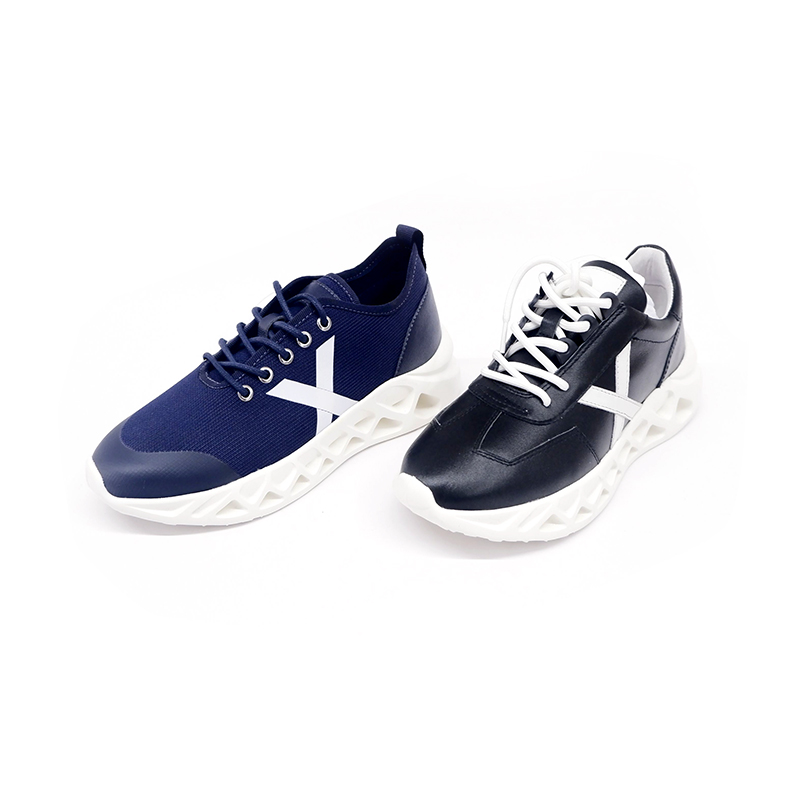 Men's Simple Casual Shoes with Breathable Leather UpperThis men's casual shoe line emphasizes breathable materials, cushioned comfort, and lightweight soles, making it a practical choice when you want structure and durability beyond typical cotton slippers.View Product →
How to Wash Cotton Slippers the Right Way
Even the most washable cotton slipper can be destroyed by poor washing habits. Follow this sequence and the pair will look fresh for many months.
- Remove the insoles and shake out any loose debris. Dab stains with a mild soap before washing.
- Place the slippers in a mesh laundry bag to protect the upper from friction.
- Wash on a cold, gentle cycle with a low spin speed. Use a liquid detergent without bleach.
- Skip fabric softener; it coats cotton fibres and reduces absorbency.
- Air dry flat away from direct heat. Do not tumble dry unless the label specifically says it is safe.
For children, the best machine-safe option is a pair with a stitched sole and a short-pile upper, like the cute tiger paw slippers from the children’s animal series.
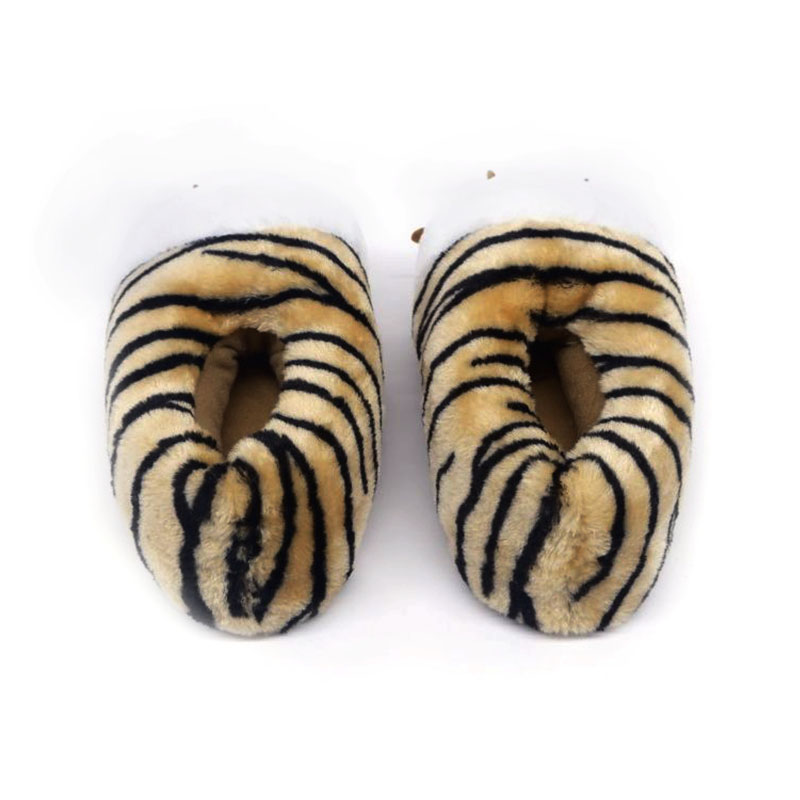 Cute Tiger Paw Plush Slippers for KidsDesigned with a short-pile plush upper and stitched sole, these tiger paw slippers suit children’s machine washing needs while keeping a playful look for everyday indoor wear.View Product →
For a closer look at how plush models handle repeated washing, our wash-and-wear notes on plush house slippers follow several pairs across multiple wash cycles.
The Trade-Off Between Softness, Warmth, and Durability
A machine-washable cotton slipper will never feel exactly like a three-inch plush fleece monster on the first night. That is acceptable for most people. The dense, structured fabrics that survive water are the same materials that keep their shape and hold the foot securely. Instead of judging a slipper by its fuzziness, evaluate the footbed and the sole.
For women who love the fuzzy look, the green turtle slippers show how a low-profile sole and a cotton-blend lining can keep the character of an animal slipper without turning the wash cycle into a gamble.
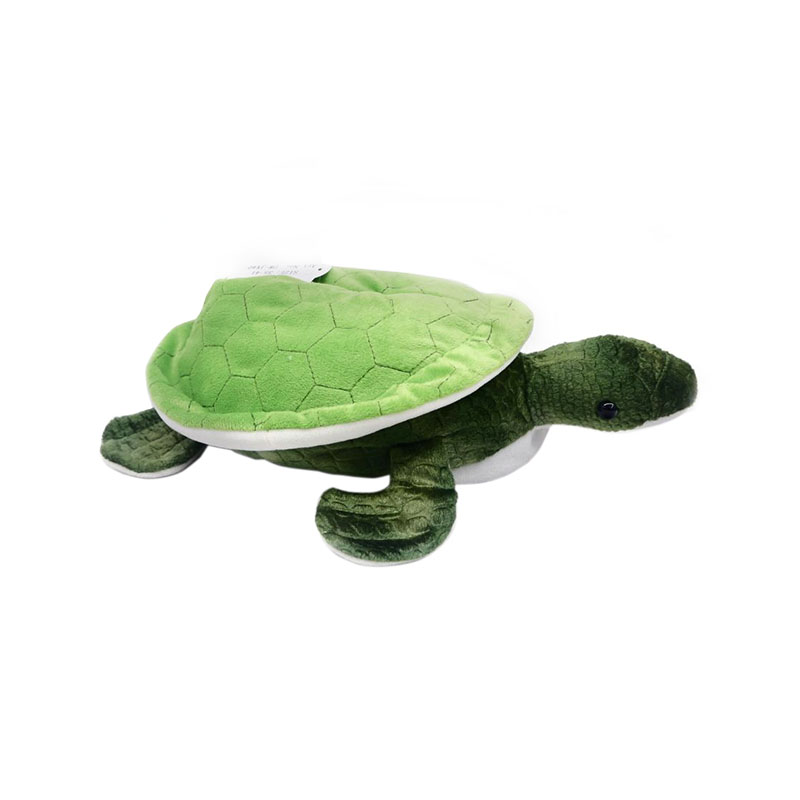 Green Turtle Fuzzy Animal Slippers for Women and MenFeaturing a soft stuffed turtle design with a low-profile sole and cotton-blend lining, these slippers offer a whimsical yet washable option for those who prefer decorative plushness at home.View Product →
Men’s cotton slippers, on the other hand, usually sacrifice a little decorative softness for a firmer heel and a more substantial outsole. That trade-off pays off in the laundry room, where structure matters more than plushness.
The Bottom Line: Washable Is a Design Decision
Washable cotton slippers are not a compromise; they are a separate product category with a clear set of engineering choices. When the outsole is stitched, the insole is removable, and the lining is made to dry quickly, washing stops being a dangerous chore and becomes a maintenance routine that extends the life of the slipper.
On the next purchase, look past the surface fuzz. Ask the same questions a factory would: Can the footbed come out? Is the sole sewn or glued? Will cool water and flat drying keep this shape? If the answer is yes, you are buying more than a soft pair of slippers; you are buying a product that treats cleaning as part of its design.