 English
 русский
Soft cotton slippers for women are easy to sell in the first month and hard to keep selling after the fourth wash. The pairs that protect a listing are the ones where lining pile, fabric recovery and outsole grip were written into the specification before the sample was approved.
Ask a dozen buyers what makes a good women's house slipper and you will hear a dozen answers about how appealing the animal face looks. Ask their returns data and the list shortens quickly: fabric that mats at the heel, footbeds that measure small halfway through the season, soles that slide on a wet tile. Colour and packaging sit on top of those three issues, not beside them.
The practical order of decisions is therefore straightforward. Choose the lining construction first, lock the sizing tolerance second, test the sole on the surface your customer actually walks on third, and only then spend time on the design language.
Three Specifications That Predict Whether a Slipper Stays Soft
Softness in a plush or brushed-cotton slipper is not a single property. It is the balance between how much air the lining traps, how quickly the fabric springs back after compression, and how much the outsole flexes under a normal step.
- Lining weight. Women's indoor slippers commonly sit between 250 and 320 gsm in coral fleece, and between 320 and 420 gsm in long-pile plush. Below roughly 220 gsm the surface starts to feel thin within weeks.
- Compression recovery. Press the pile flat for ten seconds and watch how fast it returns. Fast recovery is the clearest sign the footbed will not dent permanently at the heel.
- Outsole hardness. Indoor compounds usually fall between Shore A 55 and 65. Softer rubber feels pleasant but wears through at the ball of the foot; harder compounds grip poorly on smooth tile.
- Footbed density. Memory foam at 45 to 55 kilograms per cubic metre holds shape far longer than the 25 kg grade that flattens within a season.
Specify on appearance alone and the first complaints arrive around week four, once the pile has flattened and the footbed has compressed.
Fabric Choices: What Each Lining Actually Does
Cotton on a slipper label can mean brushed cotton flannel, a cotton-blend knit, or a cotton-topped plush. The three behave differently in wear and in the wash, and the difference appears long before a customer forms an opinion about the design.
| Lining type | Weight or pile | Warmth | Behaviour after washing | Best season |
|---|---|---|---|---|
| Brushed cotton flannel | 180 to 220 gsm, short pile | Light | Holds shape, light surface pilling | Spring and autumn |
| Coral fleece | 250 to 300 gsm | Medium | Softens slightly, recovers well past ten washes | Year-round indoor wear |
| Long-pile plush fleece | 320 to 420 gsm | High | May mat at the heel after twenty or more washes | Winter |
| Quilted cotton with wadding | 200 gsm shell plus batting | Medium to high | Stable, easiest of the four to clean | All seasons |
Two consequences follow. A lighter brushed cotton flannel is the safer choice for mild-winter markets because it breathes and resists odour. Long-pile plush wins the first touch test and then demands clearer washing guidance, so it should ship with care labelling a customer will actually read.
Styles that carry soft pile across the whole upper, rather than only inside the footbed, tend to age more evenly because pressure is spread over a larger surface.
Sizing and Fit: The Quiet Source of Returns
Most fit complaints in women's slippers trace back to length tolerance rather than to the shape of the last. A pair that measures three millimetres short at the toe is acceptable in a size 37 and a return in a size 40, because the toe box has less spare room to absorb the difference.
- Declare footbed length tolerance in writing. Plus or minus 5 mm is workable; plus or minus 8 mm is a coin toss.
- Confirm how half sizes are handled. Many factories grade in full sizes, which drops EU 37.5 and 38.5 from the range.
- Ask for width data, not just length. A 95 mm footbed suits a standard fit; wider feet need closer to 100 mm.
- Decide between a heel cup and a backless design early, because the two need different last shapes.
For a broader view of what women notice when they wear slippers at home, this breakdown of the comfort features women's slippers should have covers lining, arch support and overall weight.
Backless and open-heel styles solve a different problem. They remove sizing pressure at the heel and suit customers who step in and out of slippers many times a day, which makes them a forgiving entry style in a new market.
Grip and Safety on Indoor Floors
Slip resistance is the specification buyers skip until a customer falls. Indoor surfaces are more demanding than they look: glazed tile, polished laminate and marble all behave differently once a little water is present, and slipper outsoles are thin enough that tread depth is limited.
A slipper that slides on a wet bathroom tile has stopped being a comfort product. At that point it is a liability with a friendly face printed on it.
Three checks reduce the risk. Specify the outsole compound rather than the colour, since TPR and natural rubber grip better than EVA on smooth wet surfaces. Require a tread pattern with at least 1.5 to 2 mm of groove depth across the forefoot. Finally, ask for the test surface to be named in the report, because a pass on a dry factory floor says very little about a tiled bathroom.
Washing, Odour and Long-Term Appearance
Slippers are washed more often than most footwear, and every cycle is a small stress test for the lining. Care labels can only carry so much, so the construction has to do most of the work.
- Machine wash at 30 degrees on a gentle cycle, ideally inside a mesh bag.
- Skip fabric softener, which coats fibres and speeds up matting.
- Air dry away from direct heat; tumble drying shrinks cotton uppers.
- Brush the pile gently once dry to restore loft.
Odour control follows the same logic. Breathable linings and ventilated footbeds matter more than any anti-odour finish, because moisture that escapes does not become a smell in the first place.
Winter styles with a dense but open pile keep their softness through repeated washing better than tightly felted linings, which firm up once they have dried a few times.
The Spec Sheet Checklist Before Approving Bulk
A slipper approved verbally is a slipper that will be renegotiated at the first inspection. Everything that matters belongs on one page, signed by both sides.
- Lining type, weight and pile direction.
- Footbed length and width, with tolerance figures in millimetres.
- Outsole compound, hardness range and tread depth.
- Upper construction and applique attachment method.
- Care symbols and the language set for each destination market.
- Reference test report, packaging specification and barcode placement.
Keep an approved golden sample sealed at the factory. Comparing production pairs against a physical reference settles most disputes faster than re-reading the specification sheet.
Watch for substitutions after the first order. A cheaper foam or a lighter fleece can look identical in a photograph and fail in the fourth wash, which is exactly when customer reviews are written.
Working With a Factory That Already Makes These Styles
Cixi Juxin Shoes Co., Ltd. has produced slippers in Cixi, Ningbo, since 2001, on a site of close to 9,000 square metres with more than 200 employees, six production lines, over 20 technical staff and an annual output of roughly four million pairs. Proximity to Ningbo Port shortens the logistics leg for export orders, and the company works with domestic trading partners as well as overseas buyers on OEM and ODM terms.
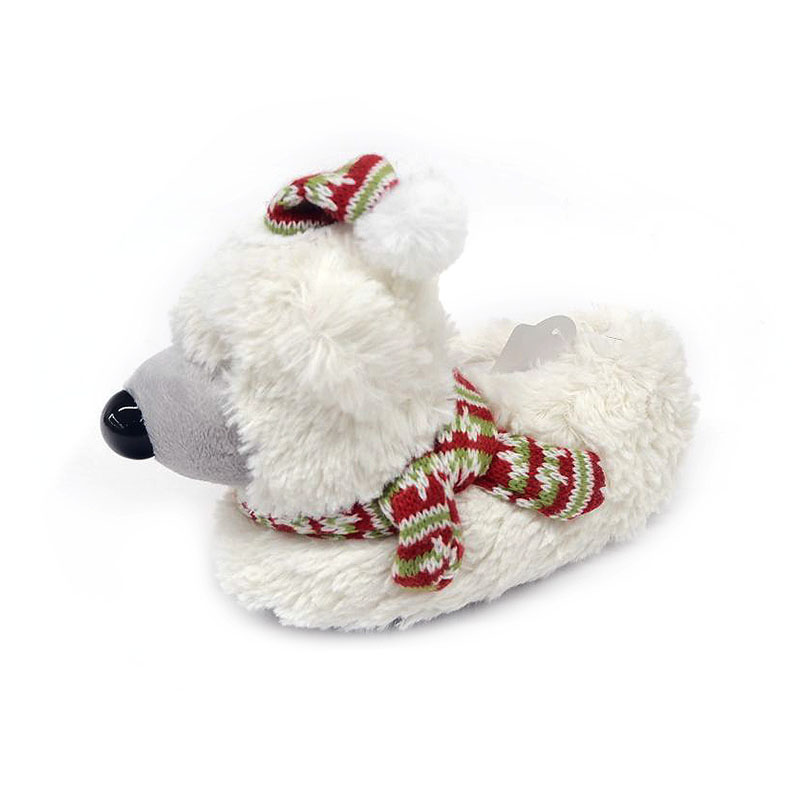
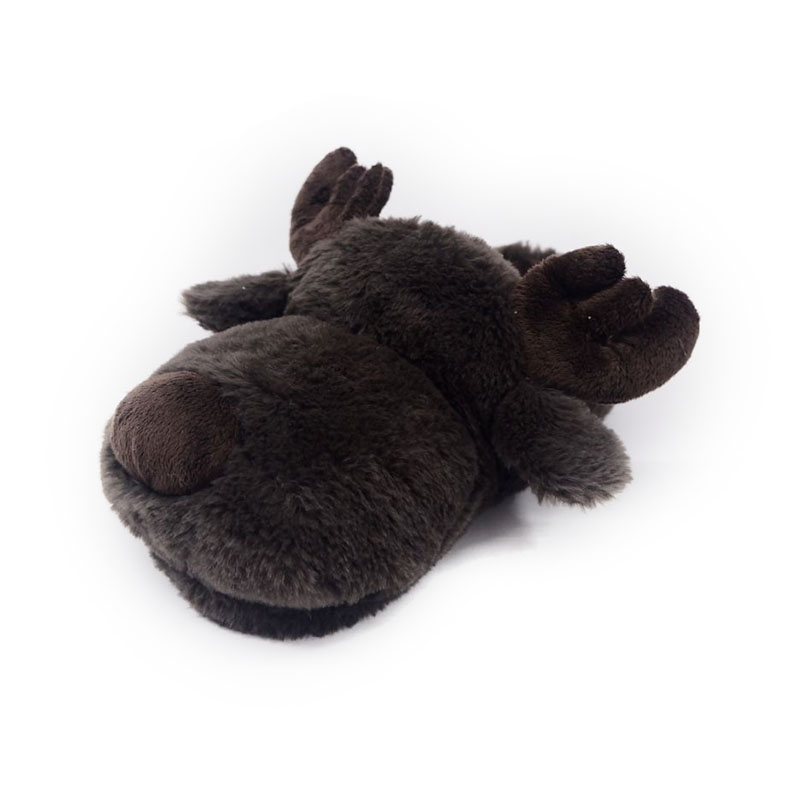
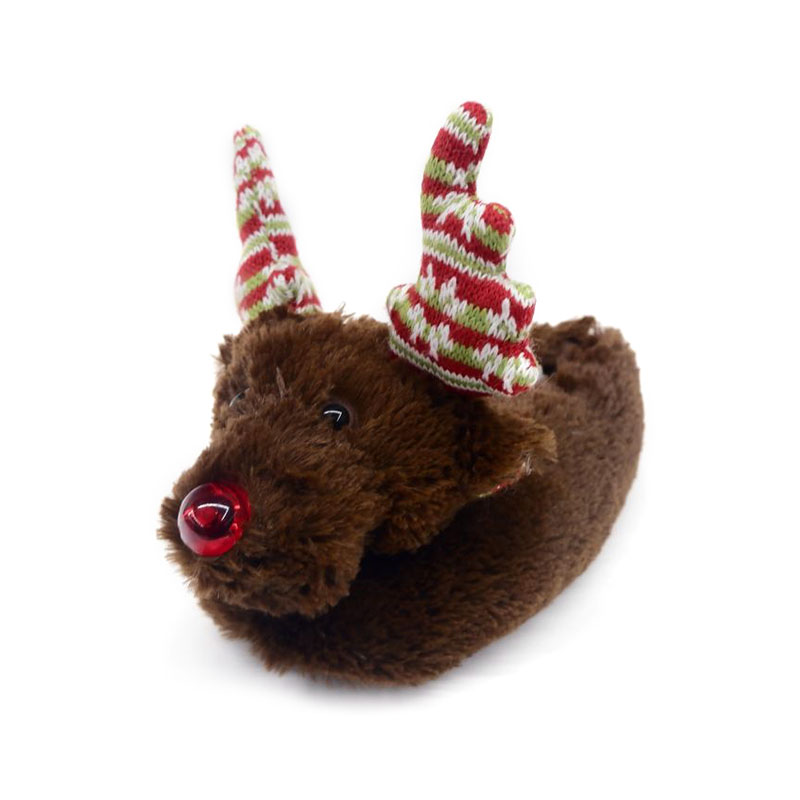
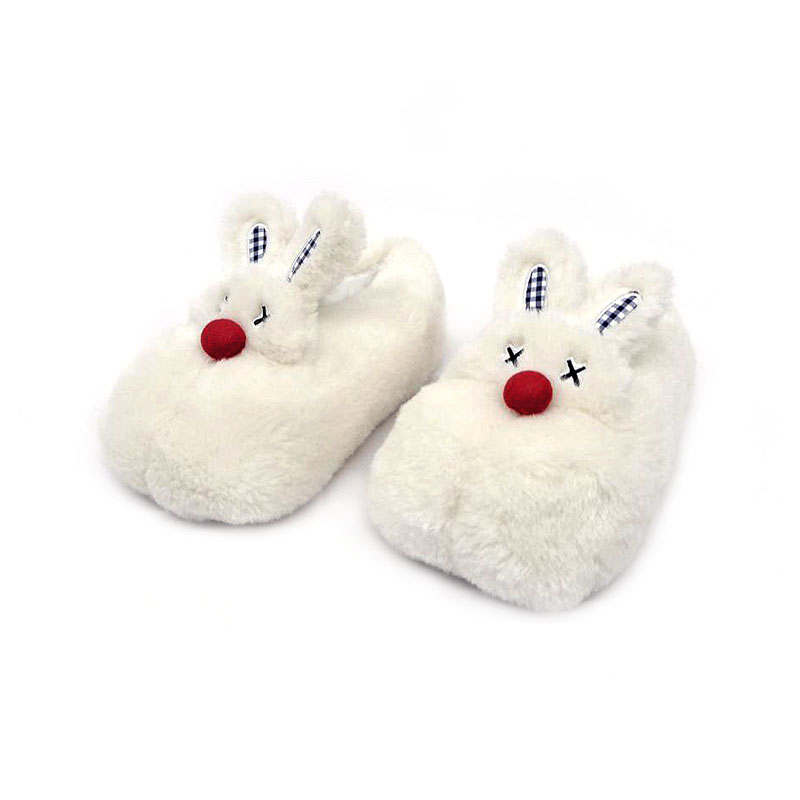
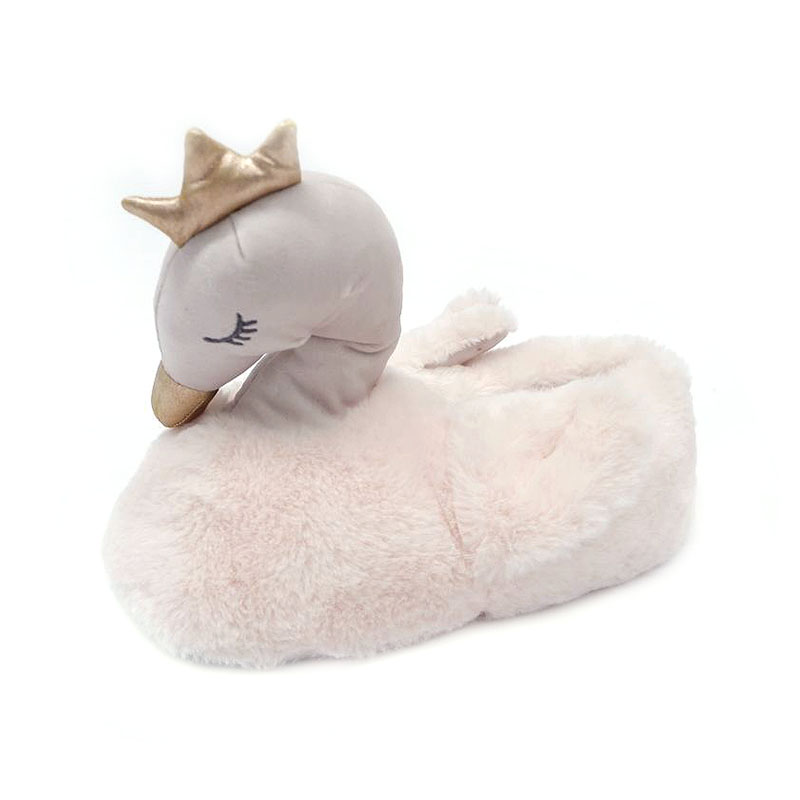
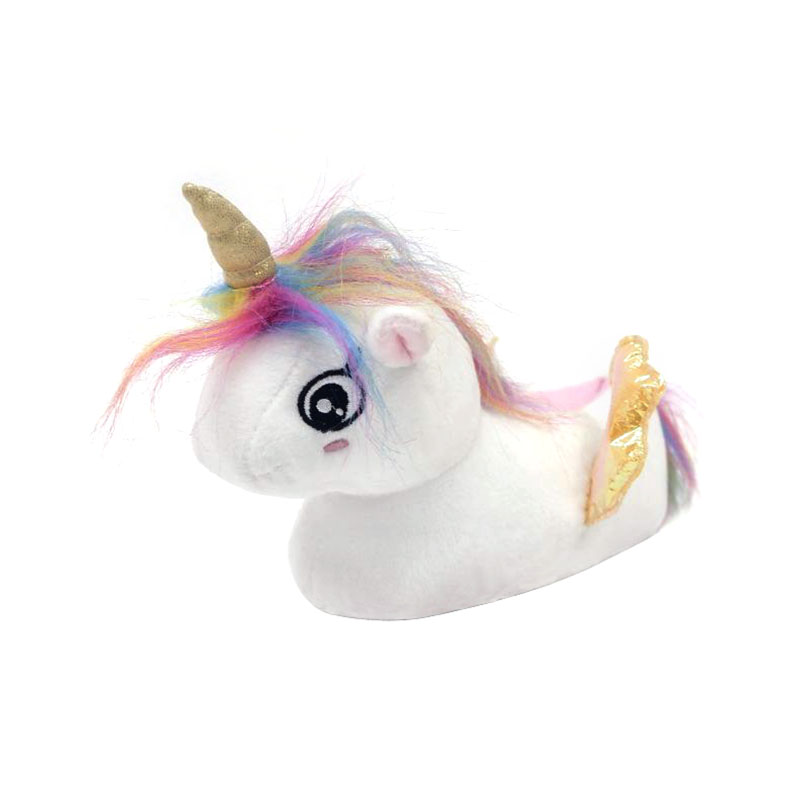
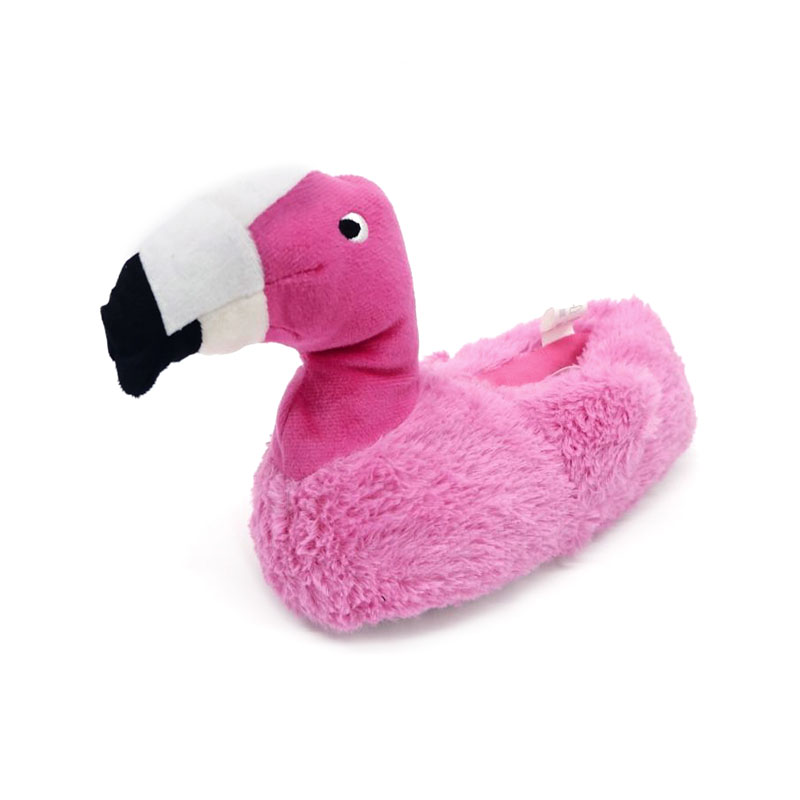
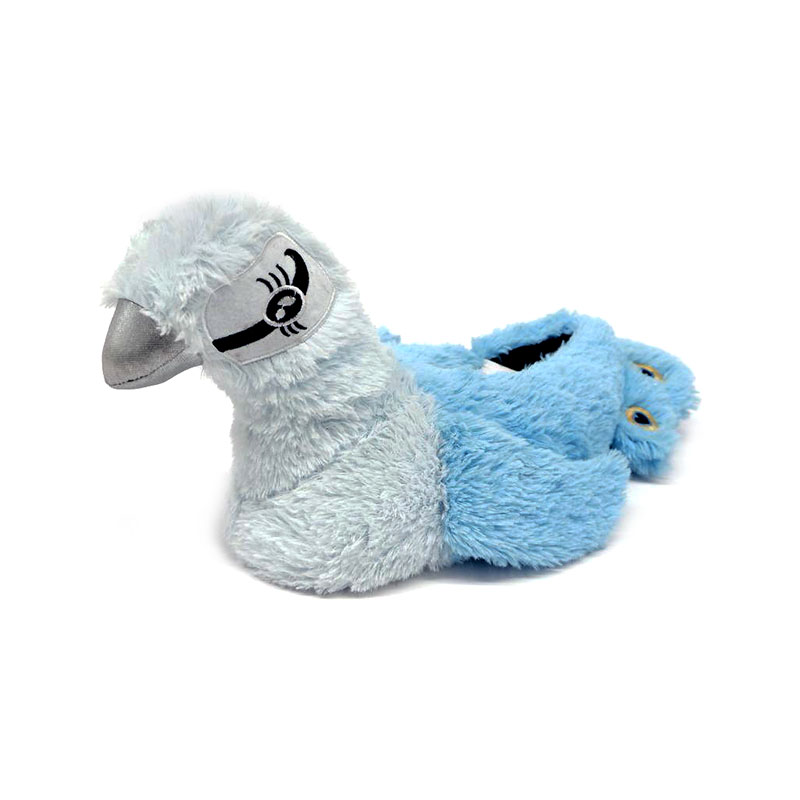
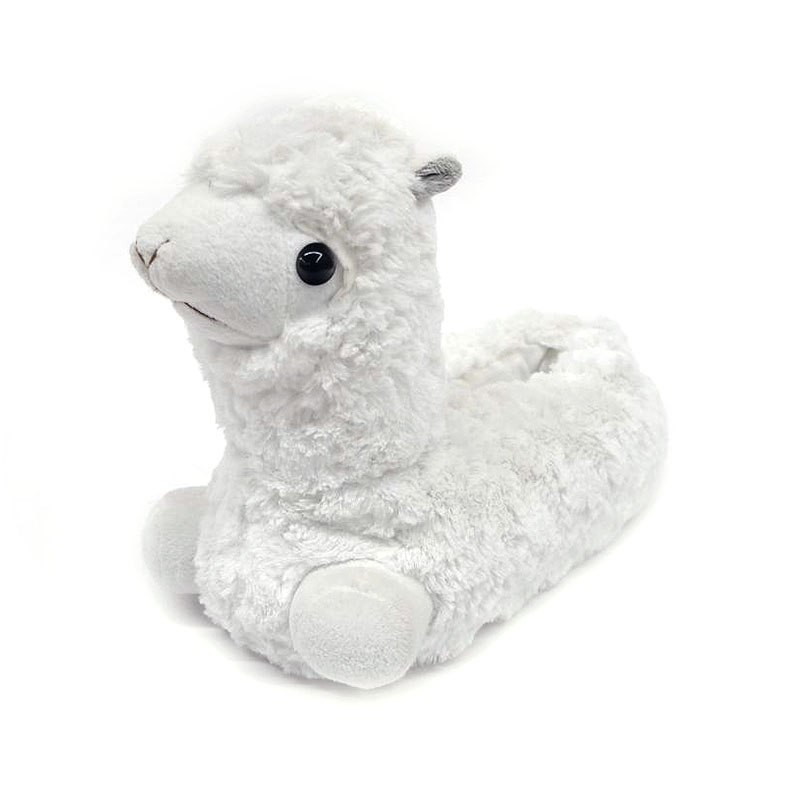
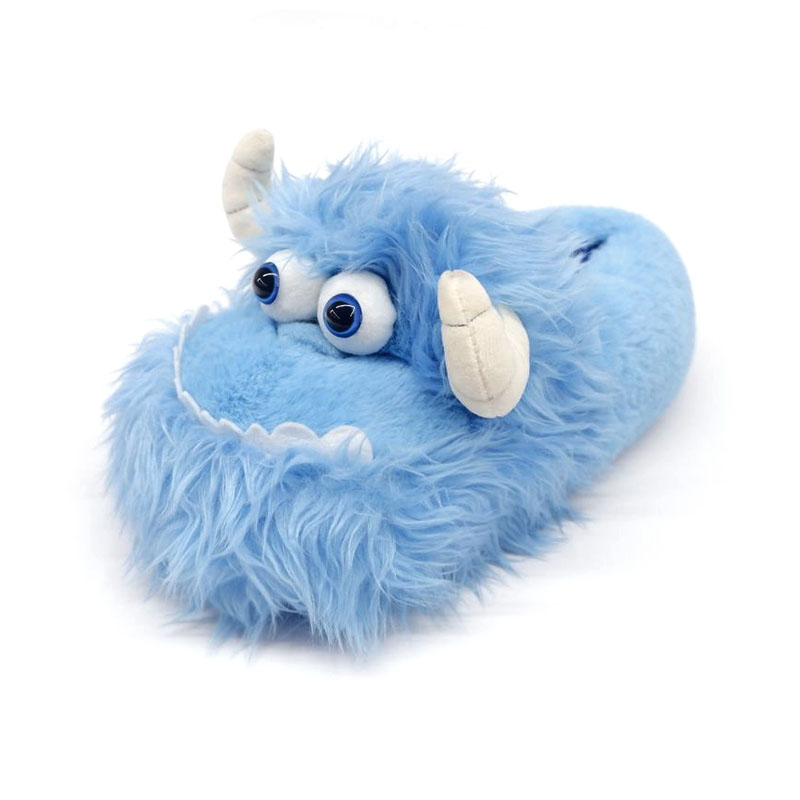
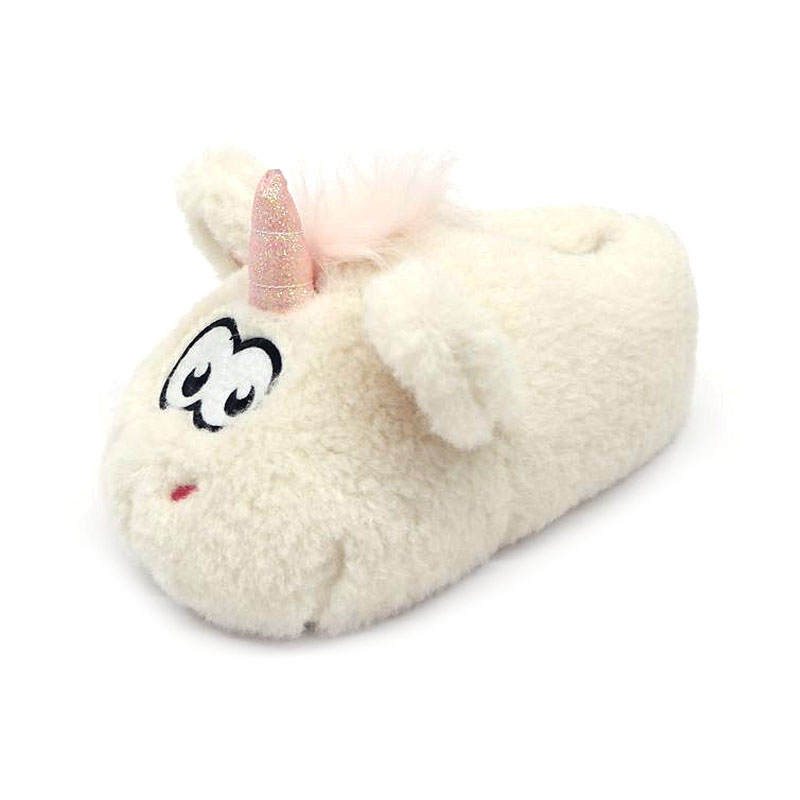
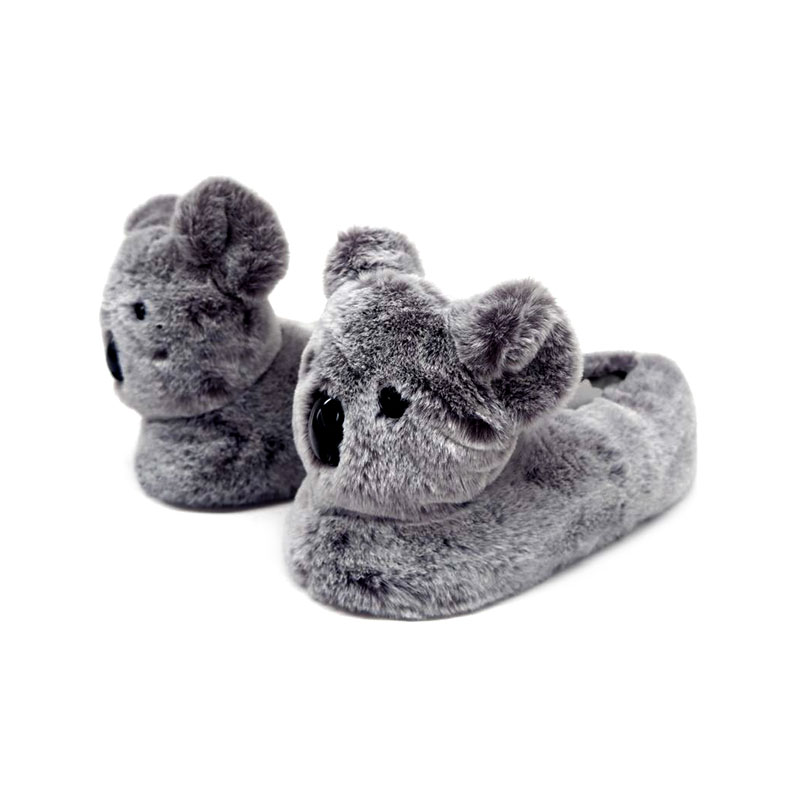
The catalogue leans heavily on plush animal designs across children's, women's and men's lines, with women's styles ranging from heelless alpaca and flamingo slippers to winter warm fuzzy designs. Buyers can browse the full product catalogue before requesting samples.
Documentation matters as much as the sample. BSCI certification and international test capability mean the paperwork most retail programmes require can be issued alongside the goods, shortening the gap between approval and shipment.
Soft cotton slippers for women succeed or fail on four decisions made long before a design is finished: lining weight, foam density, sizing tolerance and outsole grip. Get those right and the alpaca face becomes a selling point rather than a distraction.
For buyers, the useful discipline is to write the specification in numbers, keep a sealed golden sample, and test every batch against the same three questions. Does it still feel soft after ten washes? Does it still measure the size on the label? Does it still hold on a wet tile? A supplier who can answer all three with evidence is worth keeping.