 English
 русский
Cotton Slippers for Girls: What to Settle Before You Approve a Sample
Fit range, lining behaviour and sole grip decide whether a girls' cotton slipper line sells through, or comes back in three pallets by February.
Three complaint codes show up again and again in European and North American return data for girls' cotton slippers: runs small, slipped on the tiles, lining went flat after one wash. None of those are design failures. They are specification failures, and every one of them was decided months before the first sample was cut.
So here is the conclusion first. Lock the fit range, the lining construction and the outsole compound before you approve any artwork. Colour, character and packaging can be changed in a week; a wrong last cannot. What follows is what to write on the spec sheet, which tolerances actually protect an order, and how the same decisions carry across everyday, winter and Christmas programs.
Where Girls' Cotton Slippers Usually Go Wrong
The three gaps below are cheap to fix at the drawing stage and expensive to fix after the container has shipped.
- Sizing built on the outsole. A moulded outsole can add 4 to 8 mm to the length of the insole. When a buyer specifies 22 cm and the factory measures the outside of the shoe, the finished pair fits like a 21 cm slipper. Girls wear it barefoot, the toe presses, and the returns begin.
- Warmth that lives only in the photograph. A thick pile shot under studio light can hide a thin, unbrushed backing. After the first wash it mats down, and the complaint reads "not as fluffy as the picture" — a marketing problem created by a materials decision.
- Soles chosen for softness alone. EVA is light and cushioned, but smooth EVA on polished tile is a genuine slip risk for a running child. Grip comes from the compound and the tread pattern, not from the thickness of the sole.
A slipper that fits a six-year-old in thick socks is not the same slipper that fits her barefoot. Decide which child you are fitting before the pattern is graded.
The Spec Sheet That Prevents Most Rework
Most factories will build to whatever specification arrives. The difficulty is that what arrives is often a colour reference and a size range. Five numbers and two test requirements remove most of the ambiguity.
| Spec area | What to write | Practical tolerance | Why it matters |
|---|---|---|---|
| Size range | EU 24 to 35 in half steps, or US 8 to 3 | Insole length plus or minus 3 mm per size | Removes the runs small return code |
| Insole length | Measured on the insole, never on the outsole | Plus or minus 3 mm | The mould adds length that misleads buyers |
| Upper and lining | Plush upper, brushed fabric lining, pile 4 to 6 mm | Pile weight plus or minus 10 percent | Keeps the warmth claim honest |
| Outsole | TPR or EVA with a defined tread pattern | Hardness 55 to 65 Shore A | Balances grip against cushioning |
| Washing | Machine wash at 30 degrees, gentle cycle | Shrinkage under 3 percent | Stops matting and shape complaints |
| Colourfastness | Wet rub grade 4 minimum on lining and sock contact | Grade 4 or above | Stops dye transfer onto white socks |
Two rows deserve extra attention. Insole length is the number a child actually feels, so it belongs on the spec sheet in millimetres. Machine-wash performance is the requirement most often left blank and then argued about in a claim, so write the wash cycle and the shrinkage limit into the purchase order.
Sizing a Girl's Foot: Insole, Growth Room and Sock Allowance
Girls' cotton slippers live in a narrow band of sizes, and the band matters more than the extremes.
- Grade in 5 mm steps. Ask for the insole length of every size in the range, not a single reference size. A grader who works in 5 mm steps produces a smoother fit than one working in 8 mm jumps.
- Leave growth room. Around 5 mm of clearance beyond the longest toe suits toddlers; 8 to 10 mm suits older girls who will wear the pair through a winter.
- Test with and without socks. Approve the sample on a bare foot and again in a medium-weight sock. If the second test pinches, the width is wrong even though the length is right.
- Keep the heel on. A back cover, elastic heel band or slightly raised heel cup stops the slipper flicking off mid-run, which is the small detail that generates the most safety complaints.
For buyers new to the category, a walkthrough of how to choose children's slippers is useful background, because it measures a real foot rather than a size chart. The commercial version of the same advice is simple: order the smallest and the largest sizes in the range as sales samples, and fit both before committing to the run.
Lining and Warmth: What Survives the Third Wash
A girls' cotton slipper is judged twice, once in the hand and once after five washes. Design for the second judgement and the first one takes care of itself.
- Pile height of 4 to 6 mm gives visible fluff without trapping so much air that the foot overheats indoors.
- Brushed fabric linings stay smooth against bare skin where open plush can feel scratchy, and they hold their loft longer.
- An 8 to 10 mm comfort layer of memory foam or high-rebound foam under the foot keeps the sole from flattening in the first month.
- Wet rub grade 4 or above on anything that touches a sock, including the piping and the inner sole edge.
- Shrinkage under 3 percent at 30 degrees on a gentle cycle, or state hand wash clearly and accept a smaller addressable market.
Sole Grip, Weight and the Floor at Home
Sole grip is where a comfortable slipper becomes a safe one. Indoor floors are the hardest test surface in footwear: glazed tile, laminate and polished stone offer almost no friction, and a child moves across them at speed.
- Compound hardness 55 to 65 Shore A on a TPR outsole is a practical band. Softer rubber grabs but wears quickly; harder rubber lasts but slides.
- Tread depth of 2 to 3 mm with a break at the flex point lets the sole bend with the foot instead of levering against the floor.
- A 40 cm drop test onto dry tile and wet tile is a quick in-house check. If the pair slides on wet tile, change the tread pattern before you change anything else.
- Target 140 to 190 grams per pair in a mid-range size. Heavier feels solid in the hand but tires a child on stairs.
Everyday, Winter and Christmas: Three Programs, One Last
Girls' cotton slippers rarely sell as one product. Retailers buy them as three programs that share a last and a size grid, so the specification work you do for one carries straight over to the next.
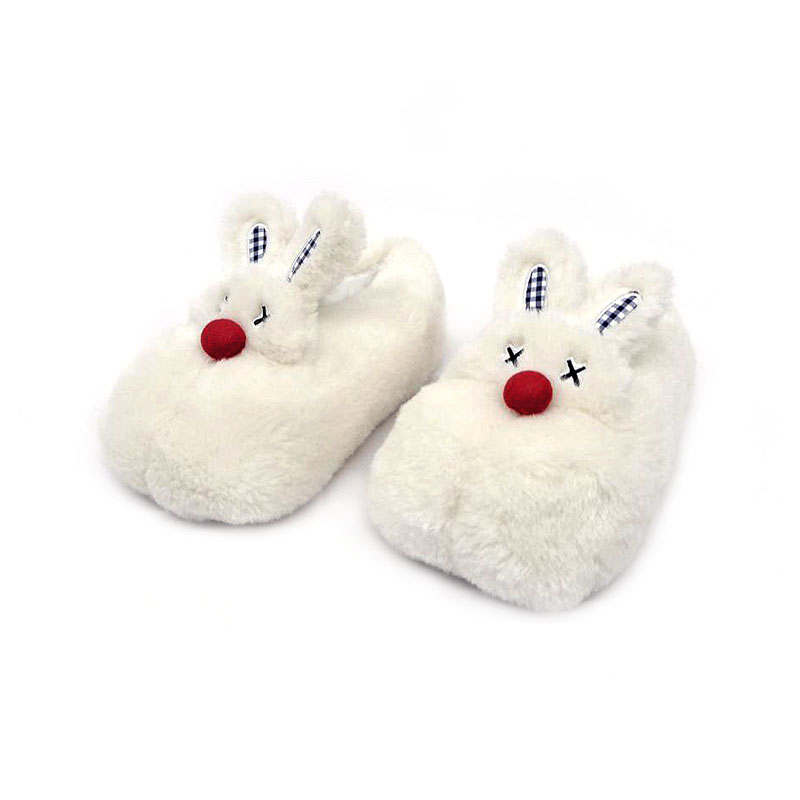
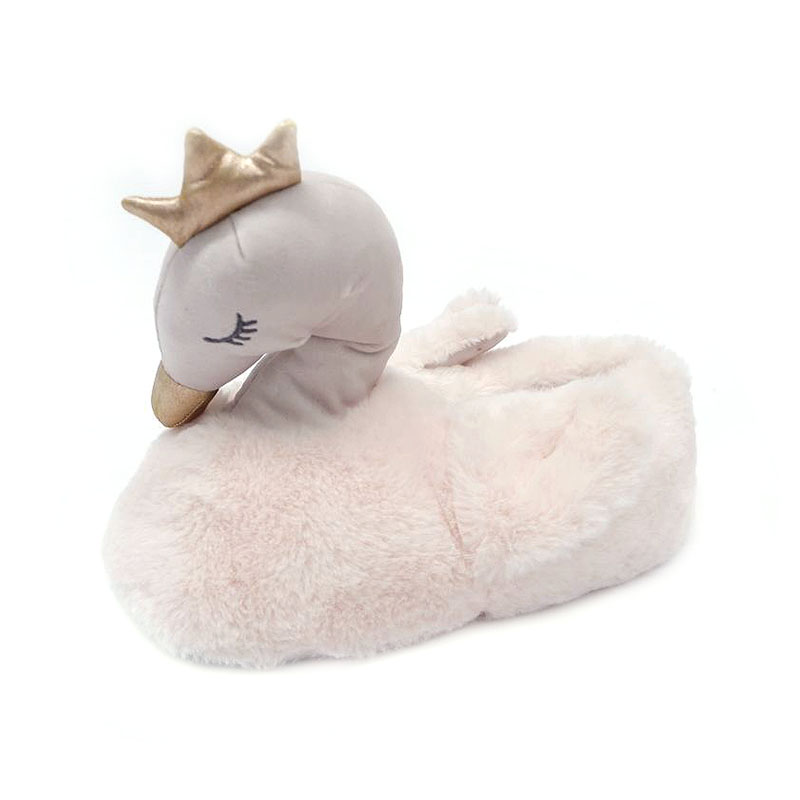
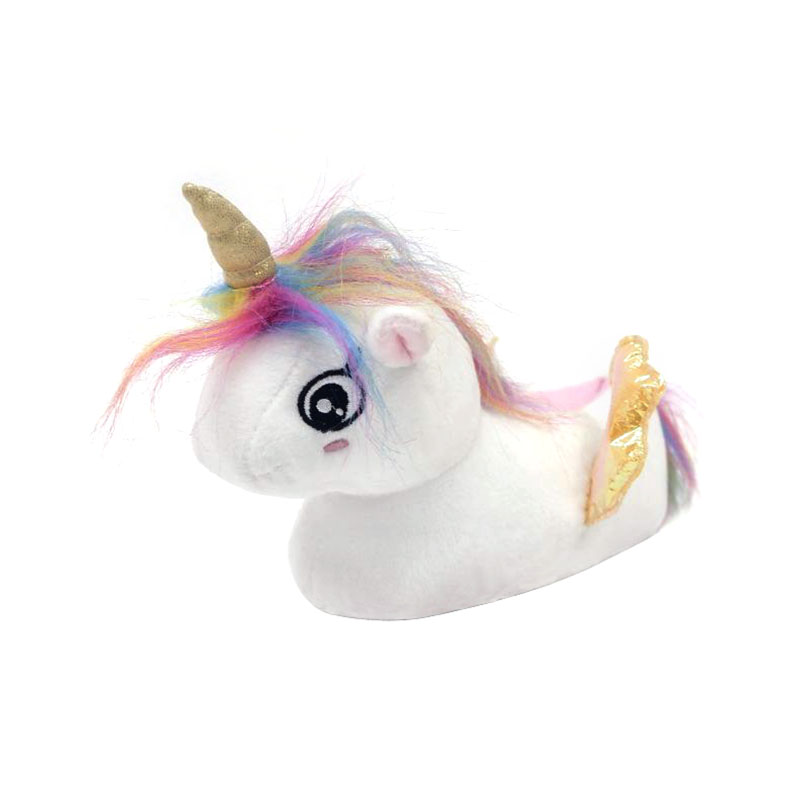
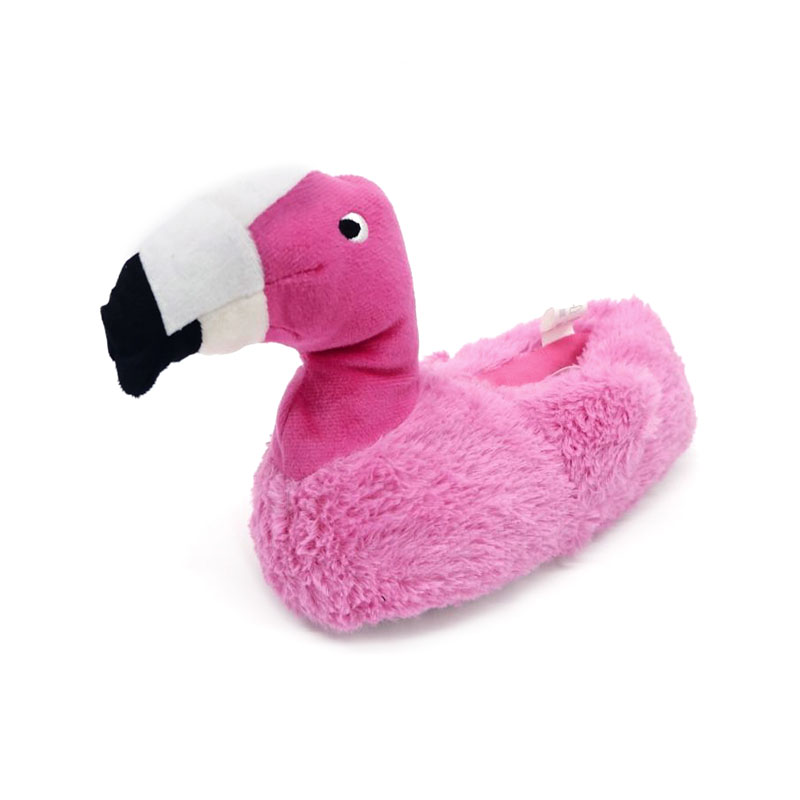
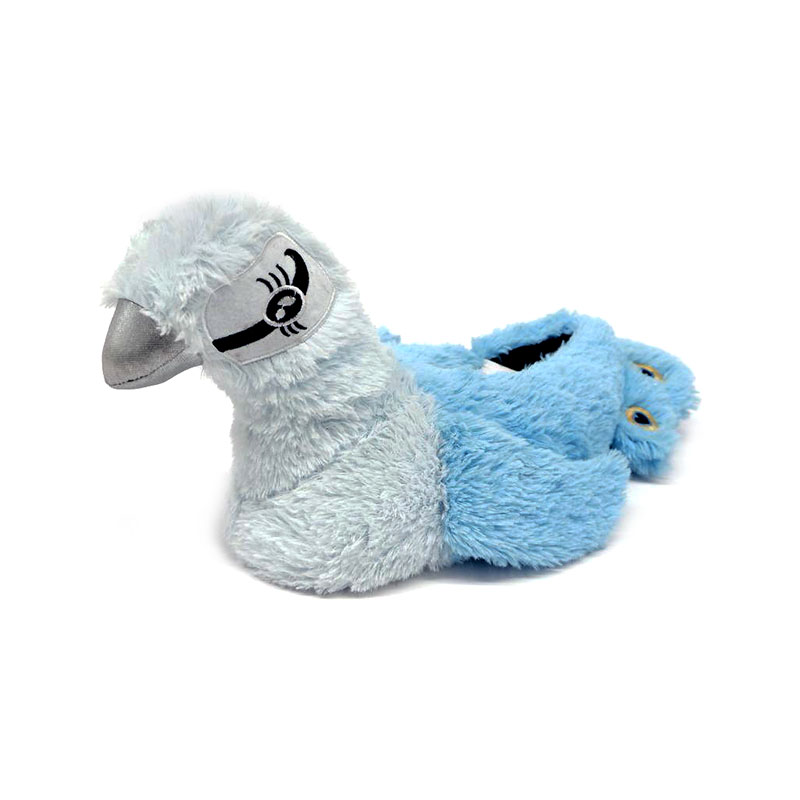
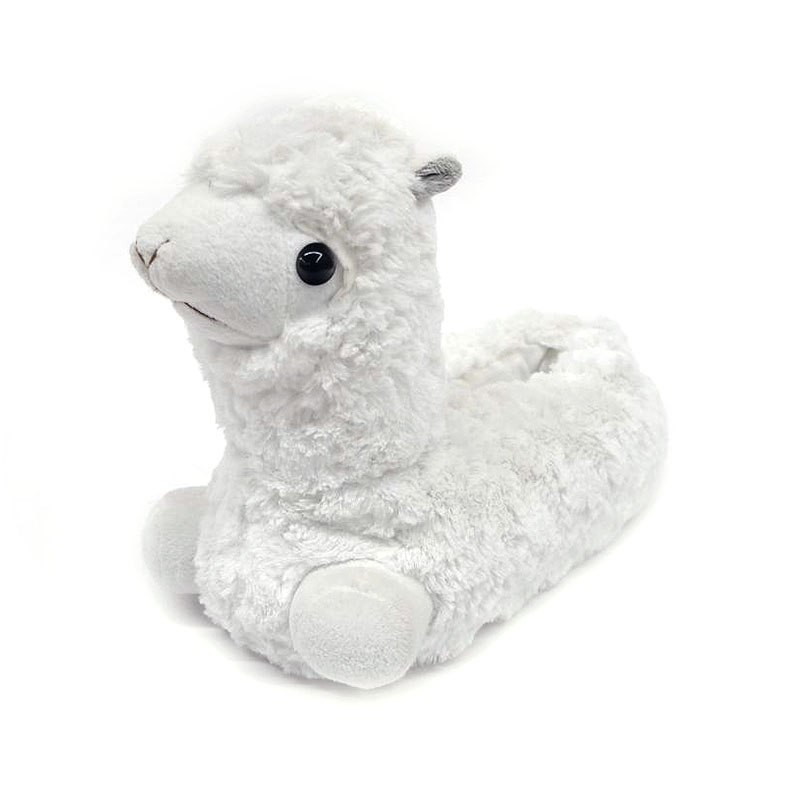
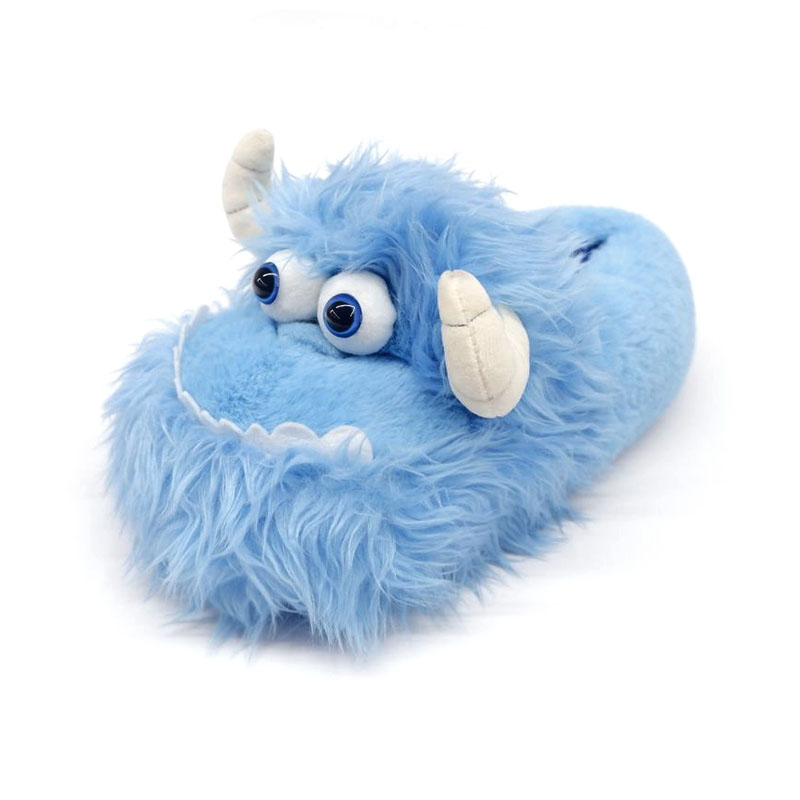
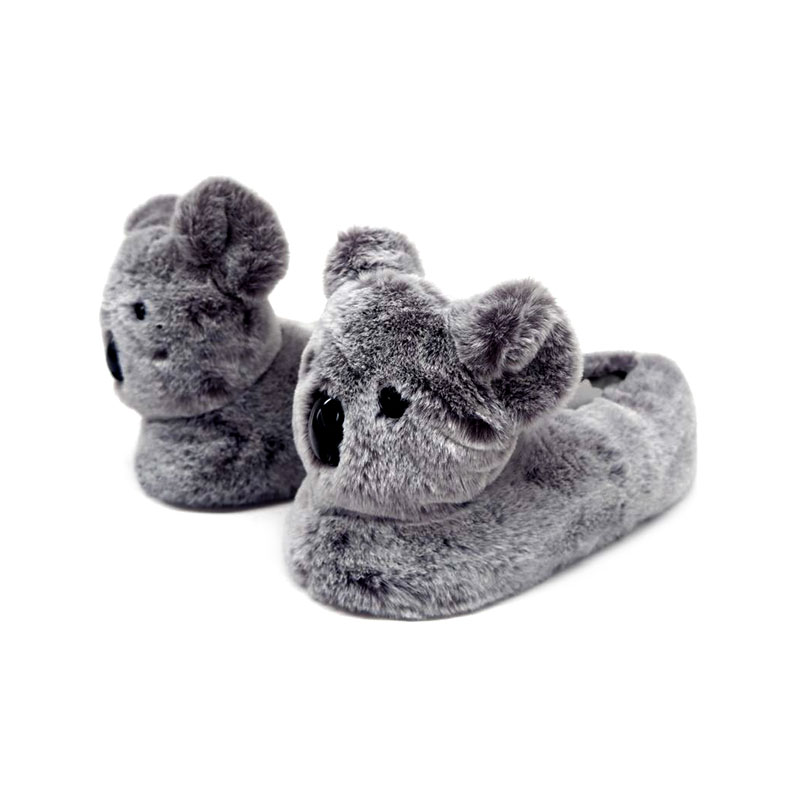
Everyday styles carry the longest selling window. Animal themes work because they photograph well and give a child a reason to choose one pair over another, and a cotton upper with a modest plush trim keeps the retail price sensible all year. This is the line most buyers repeat every quarter without a seasonal discount clock running against it.
Winter warm styles are where lining quality is decided. A full plush upper with a closed back cover and a deeper foam layer is the version that survives a cold season in a house with hard floors, and it is also the version that fails visibly if the backing is thin. Insist on a wash test before you approve the bulk run.
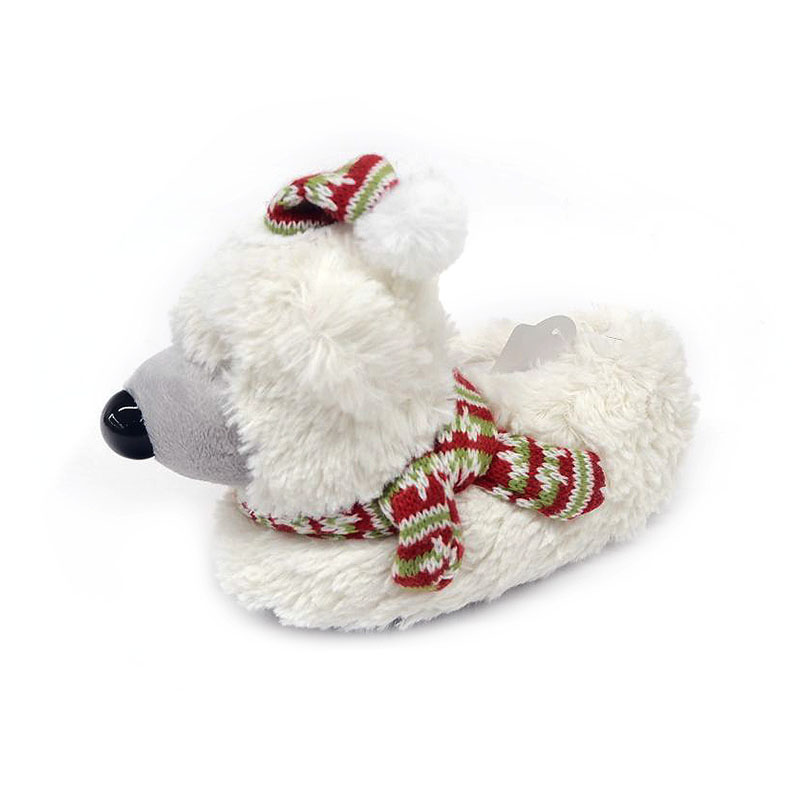
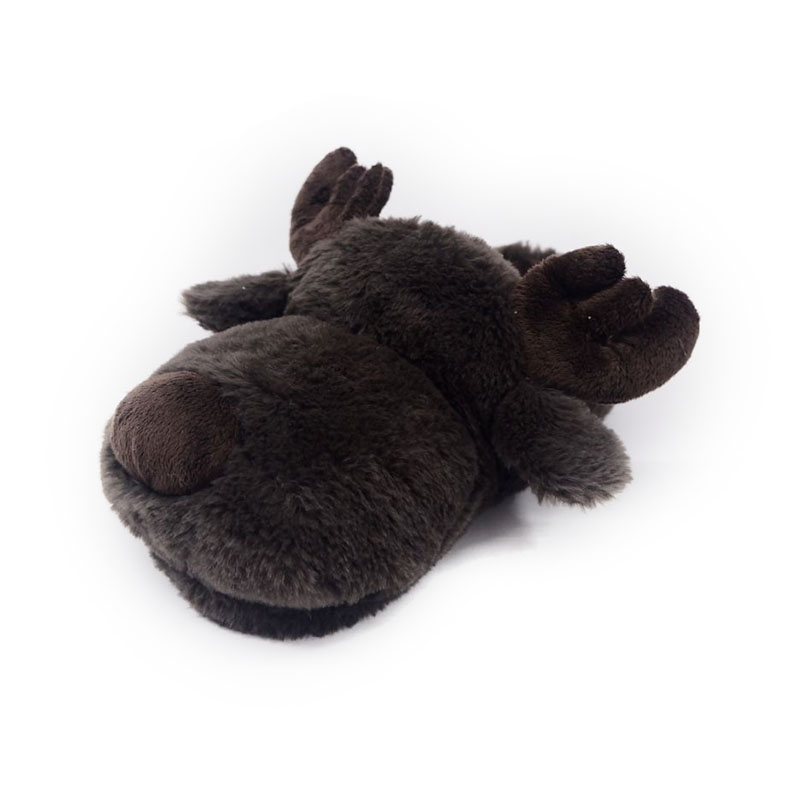
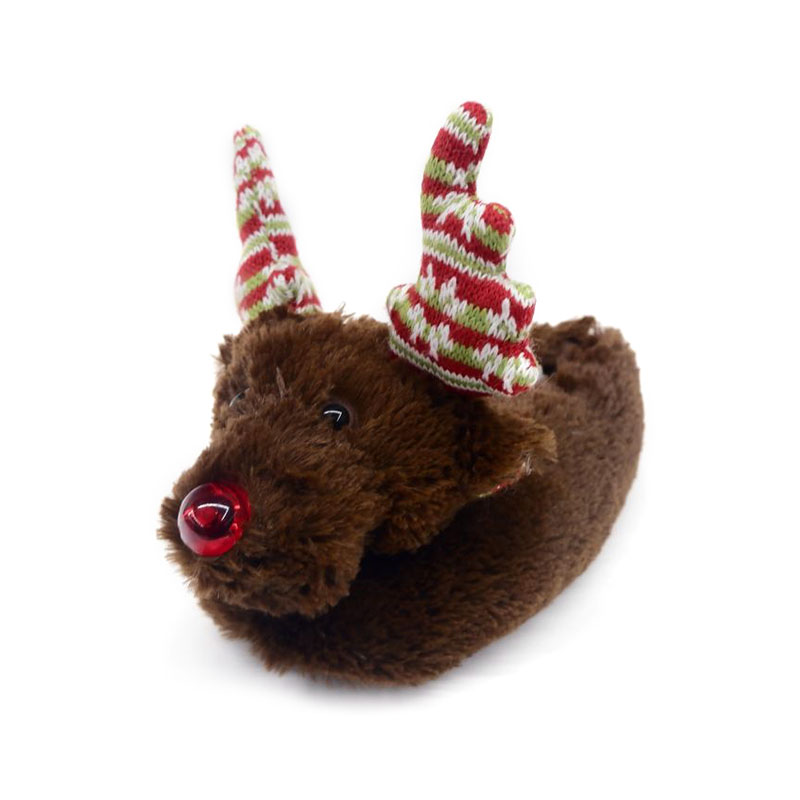
Christmas programs are a calendar rather than a category. Reindeer and bear designs with gift-ready packaging need to be confirmed by early summer for autumn delivery, and the tooling decisions behind them are made even earlier. Miss that window and the assortment loses its retail slot, however good the sample looks in September.
Testing, Certification and Delivery Confidence
Ask for the paperwork before you ask for the discount. A supplier that can hand over an audit report and a test file is usually a supplier that can hold a delivery date, because both habits come from the same management system.
A footwear factory in Cixi, Ningbo, that runs six production lines with more than 200 staff, roughly 4 million pairs a year and a technical team of over 20 people has the capacity to absorb a seasonal peak, and its position near Ningbo port shortens the run to a container terminal. BSCI certification and products that pass international testing cover the compliance side; acceptance of OEM and ODM orders covers the development side. You can review the full scope of our factory profile before requesting samples.
A Pre-Sample Checklist You Can Send Today
- Insole length in millimetres for every size, with the grading step between them.
- Fit approval for the smallest and largest size in the range, on bare feet and in socks.
- Upper, lining and pile height, named by material rather than by look.
- Outsole compound, hardness range, tread depth and a 40 cm drop test on tile.
- Wash cycle, shrinkage limit and wet rub grade for anything touching a sock.
- Packaging, size labelling and the delivery date that matches your retail window.
Bringing It Together
Girls' cotton slippers are a small product with a short tolerance list, and that is exactly why they punish vague briefs. Five numbers, two tests and a calendar will keep a program on track: insole length in millimetres, a defined lining, a compound that grips wet tile, a wash standard you can defend, and an order date that respects the season you are selling into.
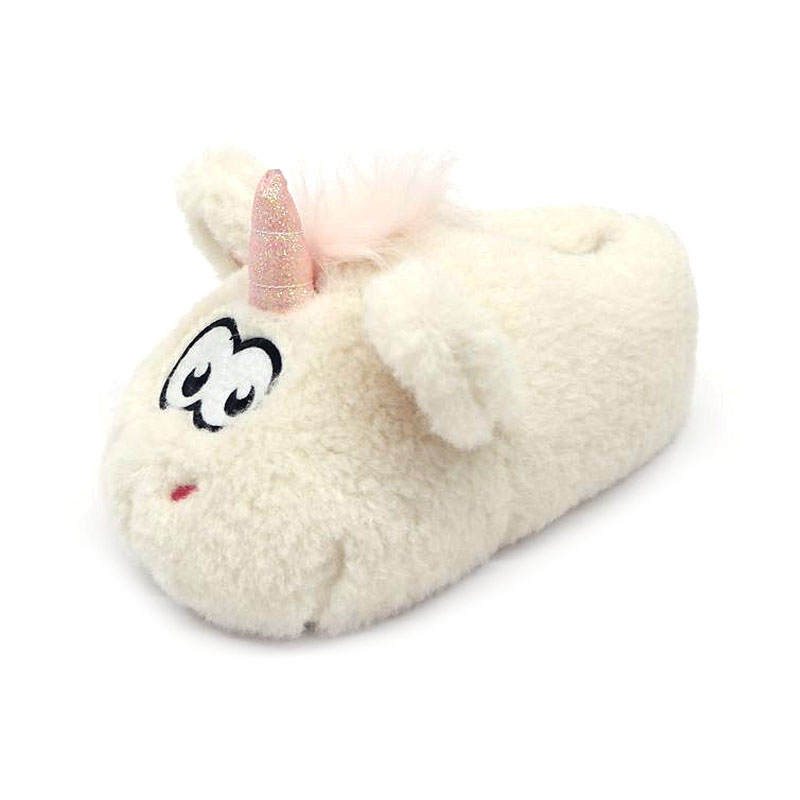
Get those right and the colourful part, the unicorns, the reindeer and the tiger paws that make a child reach for the shelf, becomes the easy half of the job. Get them wrong and no amount of character design will hold the return rate down.